In addition to the destruction caused by the conflict in the liberated areas of northern Hajjah Governorate, landmines and explosive remnants of war have also placed the education of thousands of children at risk, forcing many away from their classrooms. Schools and the roads leading to them have become heavily contaminated, creating ongoing dangers for students and teachers.
In areas where schools should provide safe learning environments, many buildings and surrounding routes have instead become hazardous locations threatening civilian lives. Security concerns have forced dozens of families to flee their homes, depriving children of access to education amid difficult conditions and limited learning opportunities in displacement settings.
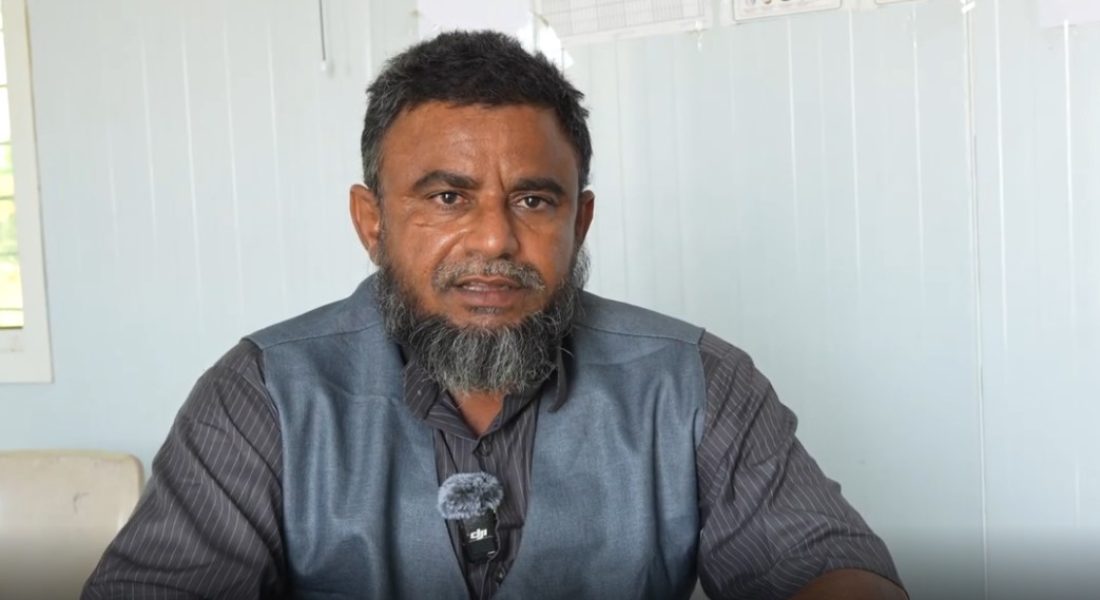
In an interview with Project Masam, Abdullah Hirani, Deputy Director of the Education Office in Hajjah Governorate, said that more than 14 primary and secondary schools had been damaged or destroyed by landmines planted by the Houthis. He added that dozens of students had been injured by explosions, including fatal incidents, while others had suffered amputations and permanent disabilities.
Hirani explained that the widespread contamination of roads and areas surrounding residential communities and schools had displaced thousands of students and teachers, disrupting education for several years. He noted that fear of travelling to school had also created lasting psychological and social effects on children and their families.
“All roads and areas surrounding residential communities, particularly those near schools, were heavily contaminated with landmines, preventing students from safely reaching their schools and continuing their education,” he said.
However, following the intervention of Project Masam teams in Midi District, conditions have gradually begun to improve. According to Hirani, demining operations and humanitarian response activities have helped support the return of students who had previously dropped out of education, while also restoring confidence among families concerned about the safety of children travelling to and from school.
The education official praised the work of Project Masam, describing the project’s intervention as an important factor in protecting civilians from the dangers posed by landmines and helping restore normal life in affected communities.
For his part, Abdullah Mutanabbek, principal of Ali bin Abi Talib School in Midi, said that Project Masam plays an important role in protecting civilians through rapid responses to reports of suspicious objects and explosive remnants of war.
Mutanabbek explained that the project’s engineering teams respond directly to reports received through dedicated hotlines, helping reduce threats facing local residents, including students, farmers, and livestock herders.
“The Masam project is a lifesaver for the community,” he said.
As clearance operations continue across liberated areas, the gradual return of students to classrooms remains one of the clearest indicators of improving conditions in communities previously affected by contamination. Nevertheless, explosive remnants of war continue to pose daily risks to civilians, particularly children attempting to regain access to education and safe living conditions.
Since the start of operations in the Midi region, Project Masam teams have removed 9,744 landmines, unexploded ordnance, and improvised explosive devices, while clearing 2,877,816 square metres of land. These operations have contributed significantly to improving civilian safety and supporting the return of normal life across the region.