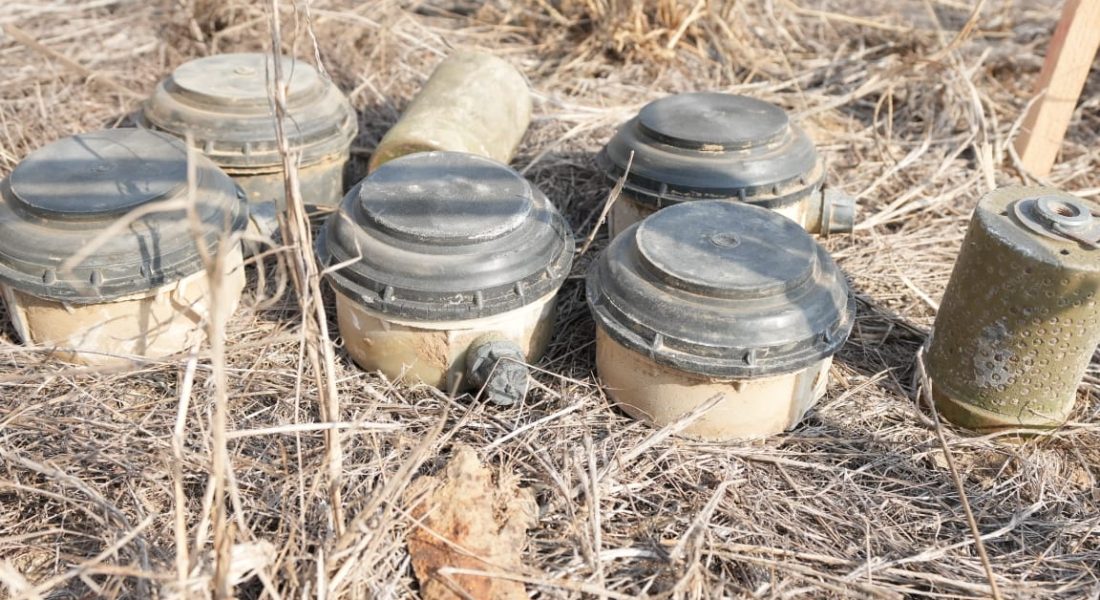
Human Rights Watch (HRW) has renewed warnings over the continuing threat posed by landmines to civilians across Yemen, as years of contamination continue to endanger communities and restrict access to homes, agricultural land and essential infrastructure.
Yemen has faced successive waves of mine contamination from decades of conflict, but the threat expanded dramatically following the escalation of the current conflict in 2015, with HRW documenting Houthi use of anti-personnel and anti-vehicle mines across multiple governorates. Project Masam has publicly estimated that Yemen contains between one and two million landmines, although that estimate predates the latest mobilisation and escalation of the conflict, with mines and other explosive threats found across civilian areas including roads, villages, farmland and water infrastructure.
In an update on the human rights situation in Yemen published on 26 August, HRW said landmines continue to claim civilian lives across the country and identified Houthi forces as the primary party responsible for laying them.
The warning comes amid renewed concern over the protection of civilians as Yemen’s conflict enters what HRW described as a potentially “new and volatile phase”.
Landmines and other explosive remnants of war remain a persistent threat long after active fighting has moved away from contaminated areas. They can prevent displaced families from returning home, restrict access to agricultural land and water sources, obstruct roads and place civilians at risk as they attempt to resume their lives.
Project Masam’s demining teams continue to encounter this threat across areas of Yemen affected by the conflict. Since the project began in June 2018, its Yemeni deminers have worked to identify, remove and demolish anti-personnel mines, anti-tank mines, unexploded ordnance and improvised explosive devices from civilian areas.
The scale and complexity of Yemen’s contamination mean that clearance will require sustained work over the long term.
“Human Rights Watch is right to sound the alarm. Our teams see the consequences of Yemen’s landmine crisis every day. These weapons continue to kill and maim civilians long after the fighting has moved on, including in areas where people are trying to return home and work their land. The contamination is vast, and there is no quick fix. Yemen will require sustained humanitarian clearance for years to come before communities can live, work and rebuild safely.” Ousama Algosaibi, Project Masam’s Managing Director said.
Project Masam has repeatedly highlighted the particular danger posed by mines laid in or around homes, farms, roads, schools, water sources and other areas used by civilians, where explosive threats can continue to affect communities years after they were planted.
HRW’s latest assessment forms part of a wider update on Yemen’s deteriorating human rights and humanitarian situation. The organisation also raised concerns over arbitrary detention of UN and civil society staff, restrictions on journalists and civic space, food insecurity and the impact of renewed conflict on civilians.