Project Masam demining teams have cleared 863 landmines and other explosive hazards across Yemen between 29 August and 4 September 2026, continuing efforts to reduce explosive threats and protect civilians in contaminated areas.
According to the latest operational figures, the items removed during the reporting week included six anti-personnel mines, 470 anti-tank mines, 384 items of unexploded ordnance (UXO), and three improvised explosive devices (IEDs). During the same period, Project Masam teams cleared 194,994 square metres of land.
Clearance operations during the reporting period took place across Aden, Al Dhale, Al Hudaydah, Hadramawt, Hajjah, Marib, Shabwah and Taiz, where explosive contamination continues to pose risks to communities, agricultural activity, civilian infrastructure and access routes.
One of the most significant operations took place in Mukalla, Hadramawt, where Project Masam’s Survey Team located and successfully destroyed 429 anti-tank mines and 129 items of UXO. The operation accounted for more than half of all explosive hazards cleared during the week and significantly reduced the threat to communities in the affected area.
In Midi District, northern Hajjah Governorate, Project Masam’s Team 42 cleared 18,000 square metres of agricultural land north of Al-Makhazin village in Midi District, northern Hajjah Governorate, during August, removing more than 200 explosive hazards from land used by local farmers and herders.
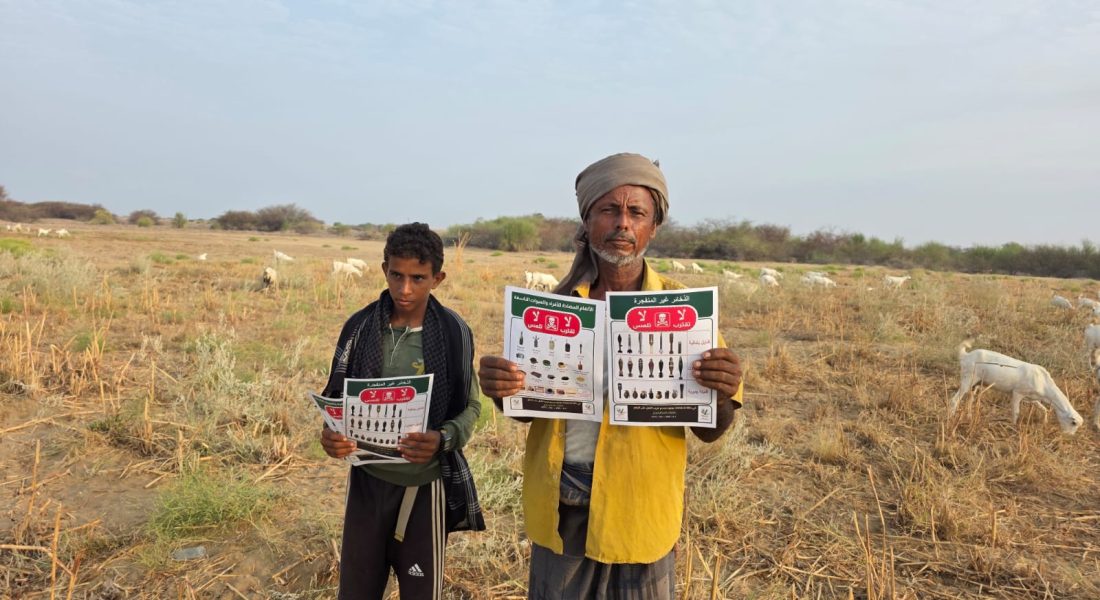
Meanwhile, demining teams have also intensified Explosive Ordnance Risk Education (EORE) activities in Midi, following these civilian reports of minefields discovered close to homes and on farmland used by local communities.
Since operations began in mid-2018, Project Masam has cleared 589,188 explosive threats, including 7,681 anti-personnel mines, 152,946 anti-tank mines, 419,892 items of UXO and 8,669 IEDs. Teams have cleared 85,198,170 square metres of land.
Project Masam continues to carry out clearance activities in accordance with International Mine Action Standards (IMAS), helping reduce the impact of landmines and explosive remnants of war on affected communities.