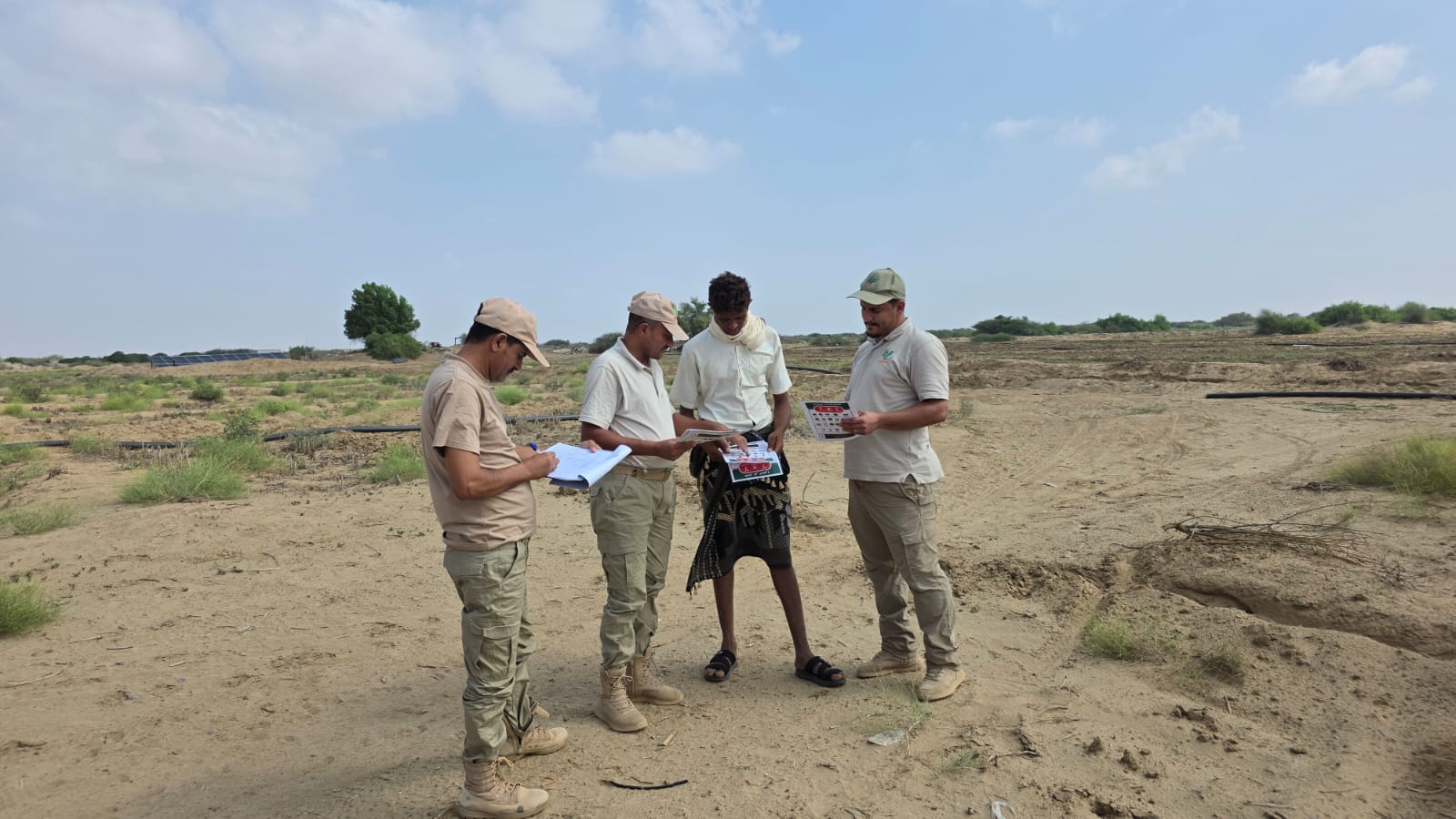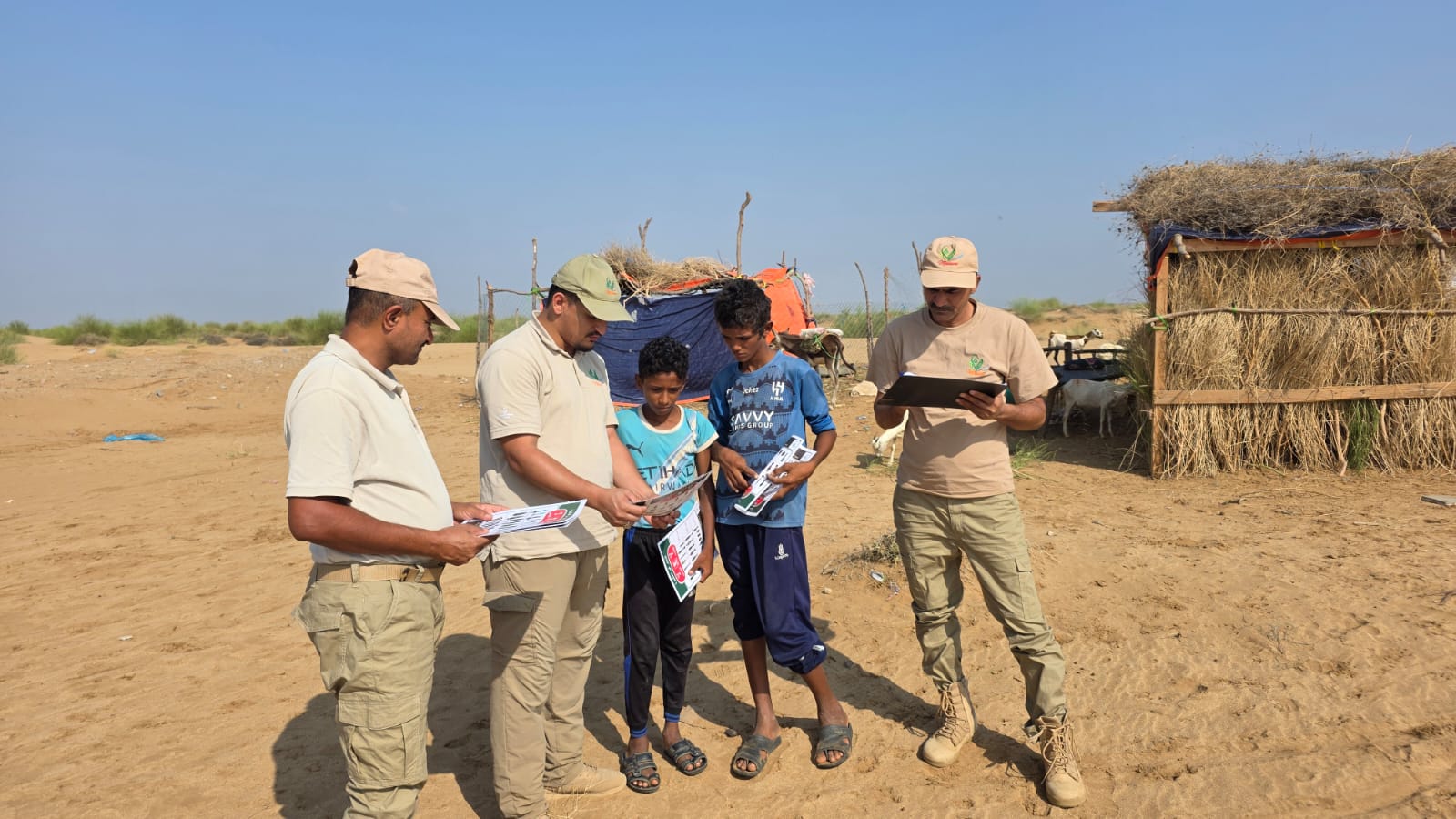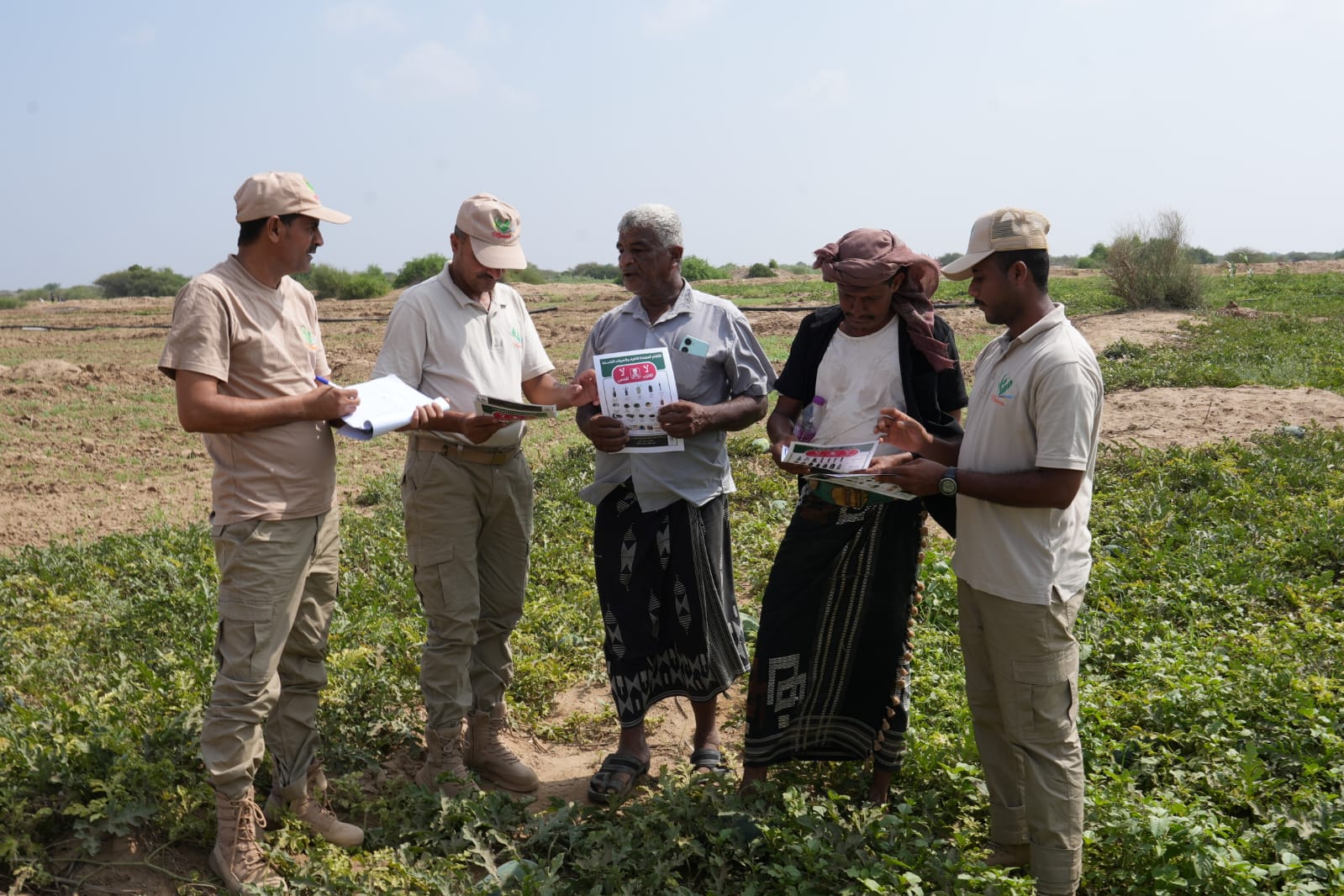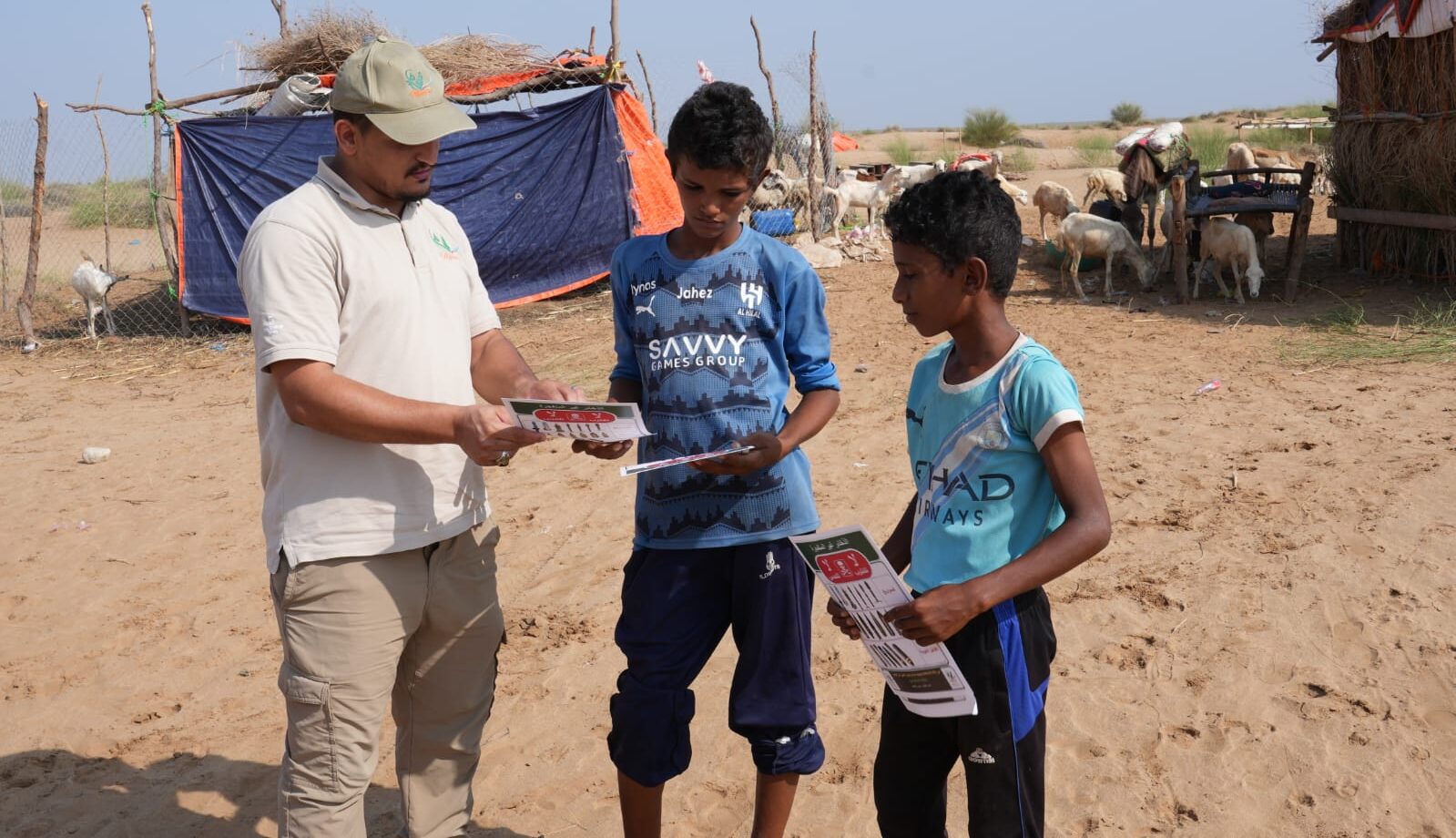
Project Masam teams have removed four anti-vehicle mines from Al-Ja’dah village in Midi District, northern Hajjah, after a local farmer reported suspicious objects near agricultural and grazing land.
Midi is a strategically important district close to Yemen’s north-western border and Red Sea approaches, where years of conflict and Houthi mine-laying have left extensive contamination across farmland, grazing areas and civilian routes.
The mines were spotted by Hassan Adhabi while he was working on his land west of Al-Ja’dah village. He alerted Project Masam, prompting teams to deploy to the area and secure the site.
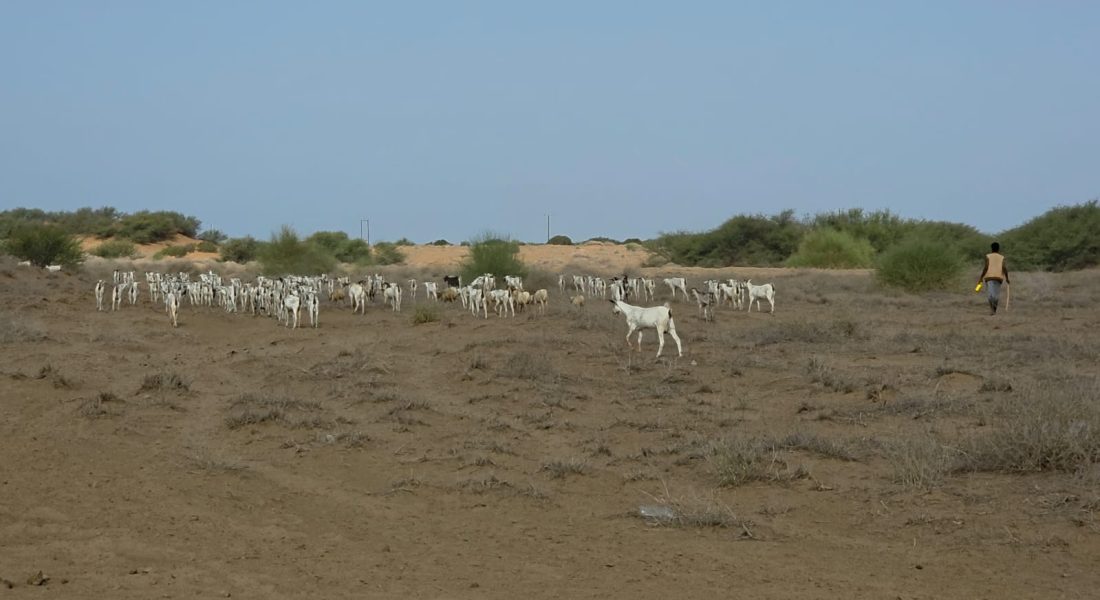
Engineer Mujahid Al-Sha’er said personnel first moved a nearby herder and his livestock away from the hazardous area before assessing and neutralising the four mines.
The site is used by farmers and herders and lies close to communities hosting both local residents and displaced families, increasing the potential civilian exposure to explosive hazards.
Al-Sha’er urged residents to keep clear of suspected contaminated areas and to report suspicious objects rather than approach, move or inspect them, allowing specialised teams to assess and clear the threat safely.
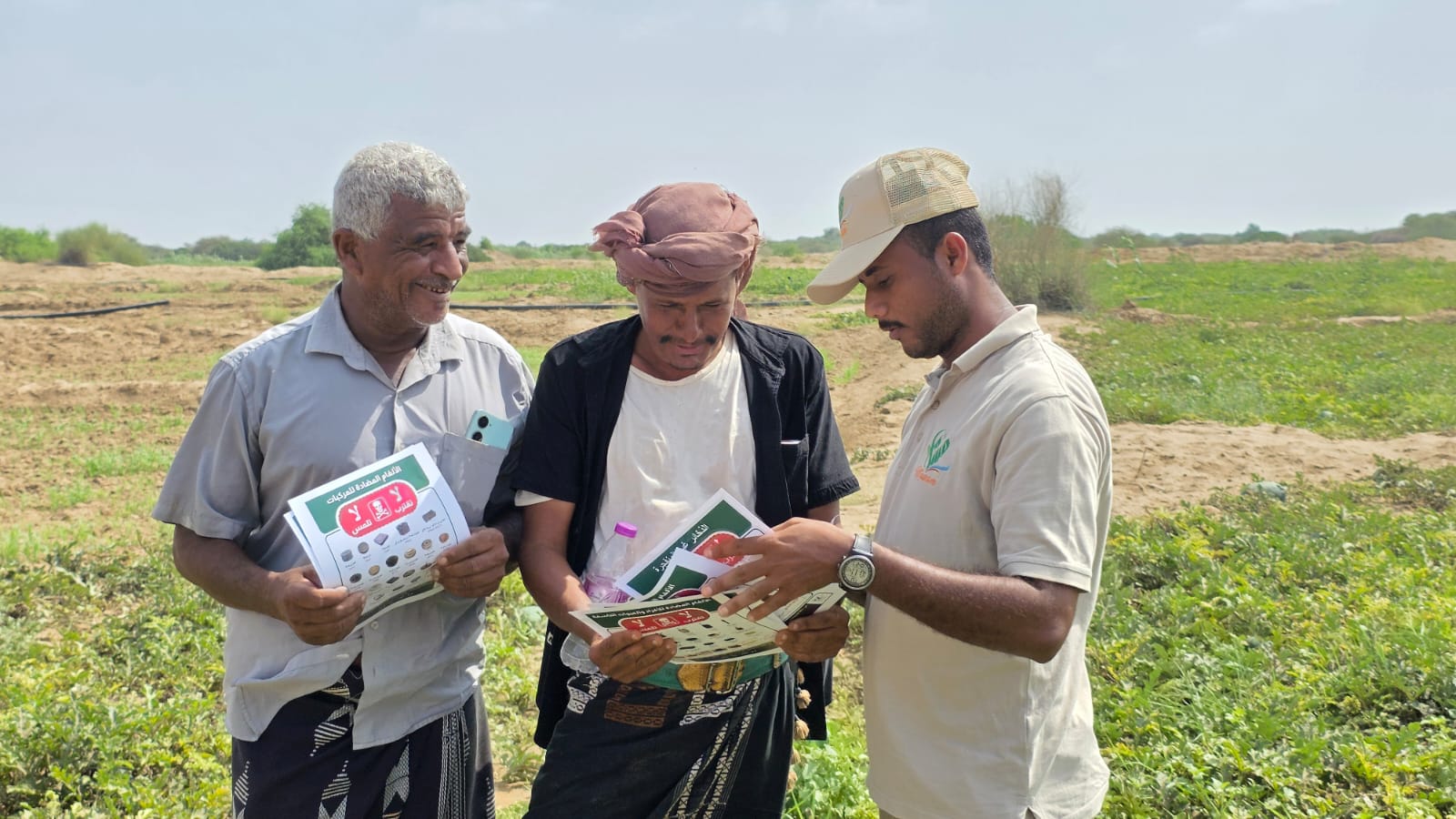
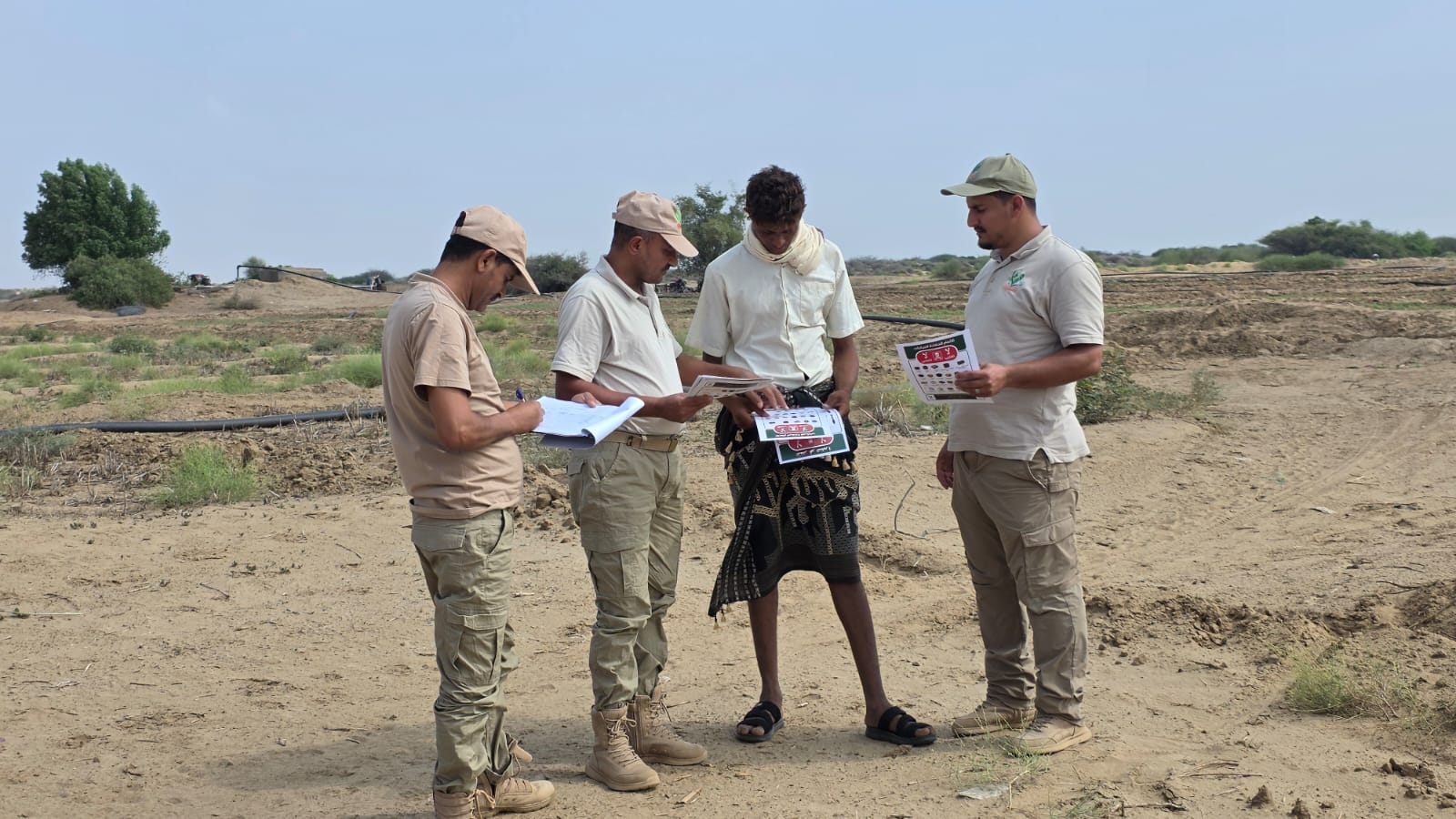
Local resident Ibrahim Ja’idi praised Project Masam’s work in the area and highlighted the role of Explosive Ordnance Risk Education (EORE) and community outreach in helping residents recognise potential hazards and report them to clearance teams.
The incident demonstrates the importance of trusted reporting channels between communities and mine-action teams. Early reports can trigger rapid assessment and clearance, while sustained EORE helps residents identify suspicious objects, avoid contaminated areas and understand how to report hazards safely.
Project Masam’s operations room in Midi has received several reports from residents in recent months concerning suspected minefields and explosive hazards near residential and agricultural areas.
Among the most recent was a report of a suspected minefield north of Al-Deir village in Hayran District, identified during agricultural activity and referred for survey and clearance.
Project Masam continues to combine survey, clearance, emergency response and risk education across northern Hajjah, working with local communities to reduce civilian exposure to landmines and other explosive threats.