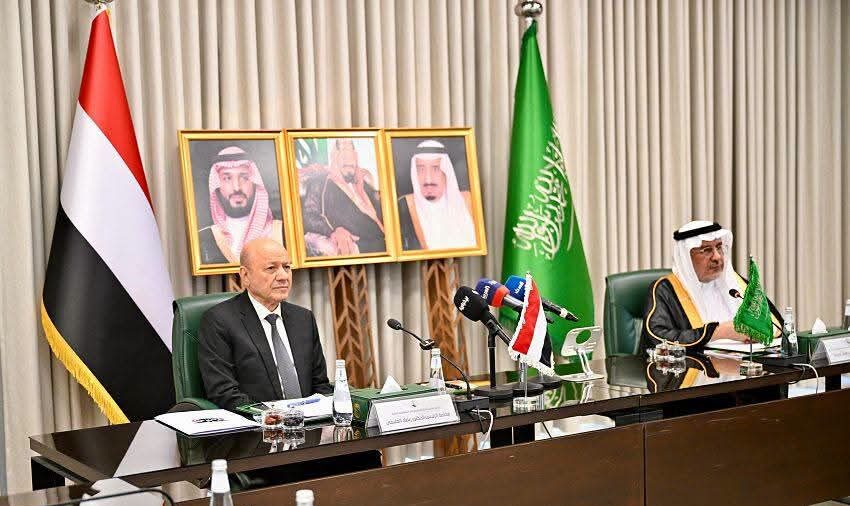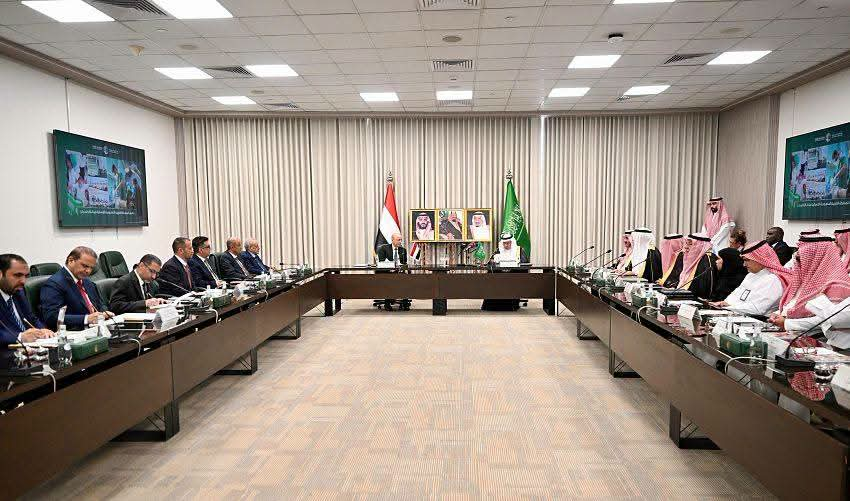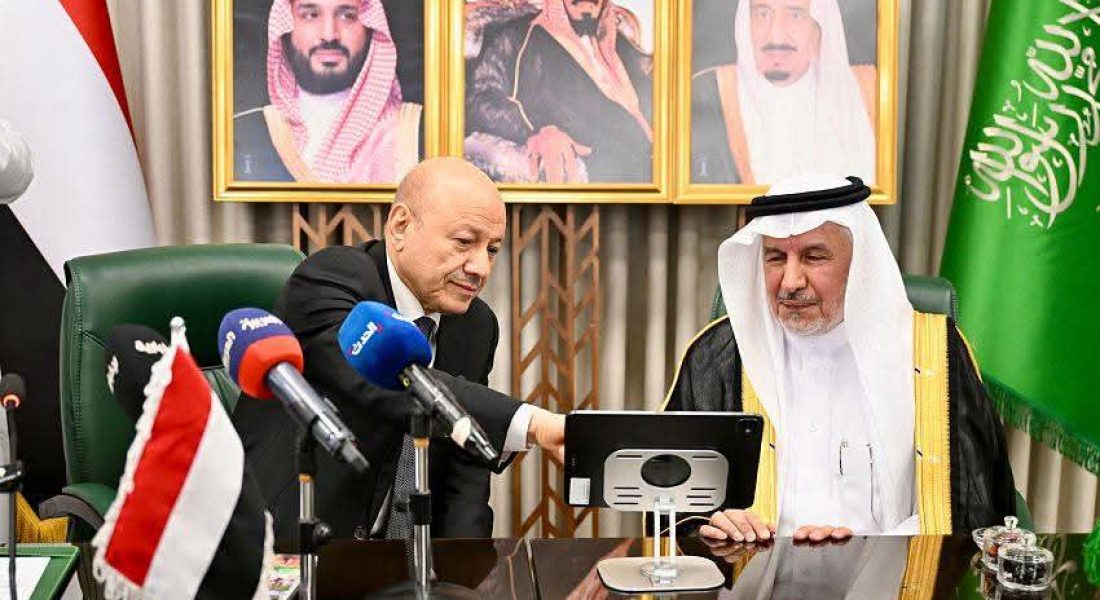
President Rashad Mohammed Al-Alimi, Chairman of Yemen’s Presidential Leadership Council, has praised Project Masam’s demining efforts in Yemen and its humanitarian role in protecting civilians, saving lives from the dangers of landmines, and helping restore the safe use of land and livelihoods in affected areas.
Project Masam began operations in mid-2018 in response to the widespread contamination caused by landmines, improvised explosive devices and unexploded ordnance across Yemen. The project is funded by the Kingdom of Saudi Arabia through the King Salman Humanitarian Aid and Relief Centre (KSrelief) under a humanitarian demining programme established to reduce the threat posed by explosive ordnance, protect civilians and support the safe return and recovery of affected communities.
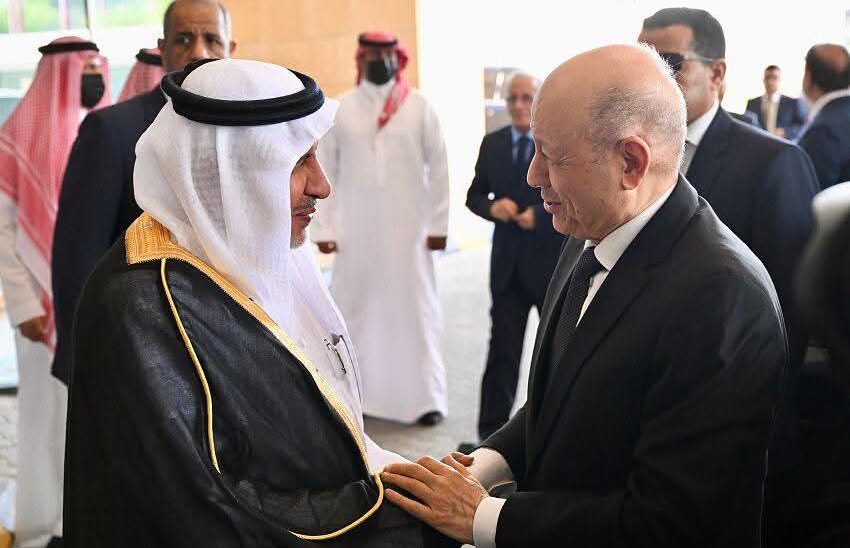
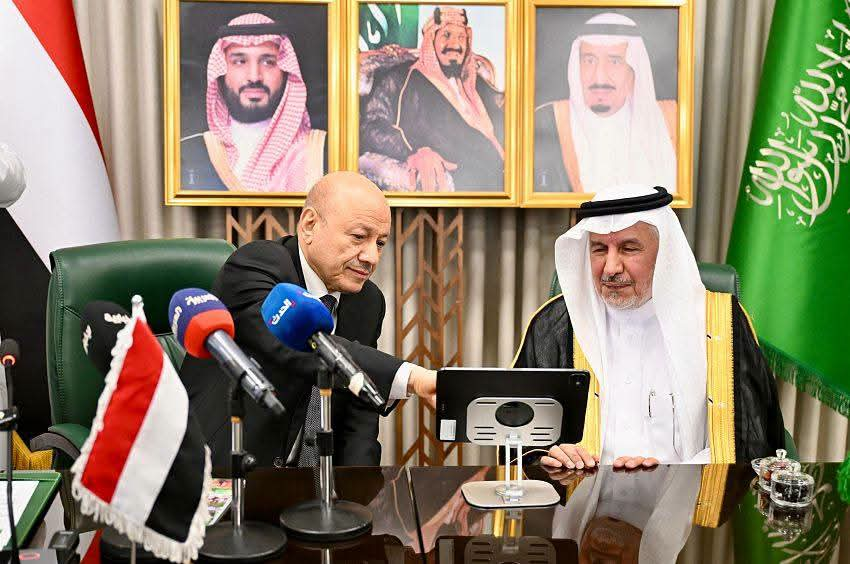
Al-Alimi made the remarks during a visit on Tuesday to the headquarters of the King Salman Humanitarian Aid and Relief Centre (KSrelief) in the Saudi capital, Riyadh, where he met the centre’s leadership and was briefed on some of its most significant humanitarian, relief and development interventions in Yemen and other countries around the world, according to statements issued in connection with the visit.
Al-Alimi commended Project Masam’s role in clearing Yemeni land of mines, reducing casualties and helping create safer conditions for people to return to their communities and resume their daily and agricultural activities.
The President expressed his hope that the project would continue and expand its humanitarian efforts, stressing that mine clearance represents a long-term investment in the lives of the Yemeni people because of its direct impact on protecting lives, making land safer and reducing the risks faced by affected communities.
His remarks form part of Al-Alimi’s wider recognition of the humanitarian support provided by the Kingdom of Saudi Arabia to the Yemeni people through KSrelief, and of the centre’s projects and initiatives aimed at alleviating humanitarian suffering and strengthening the resilience of affected communities across Yemen’s governorates.