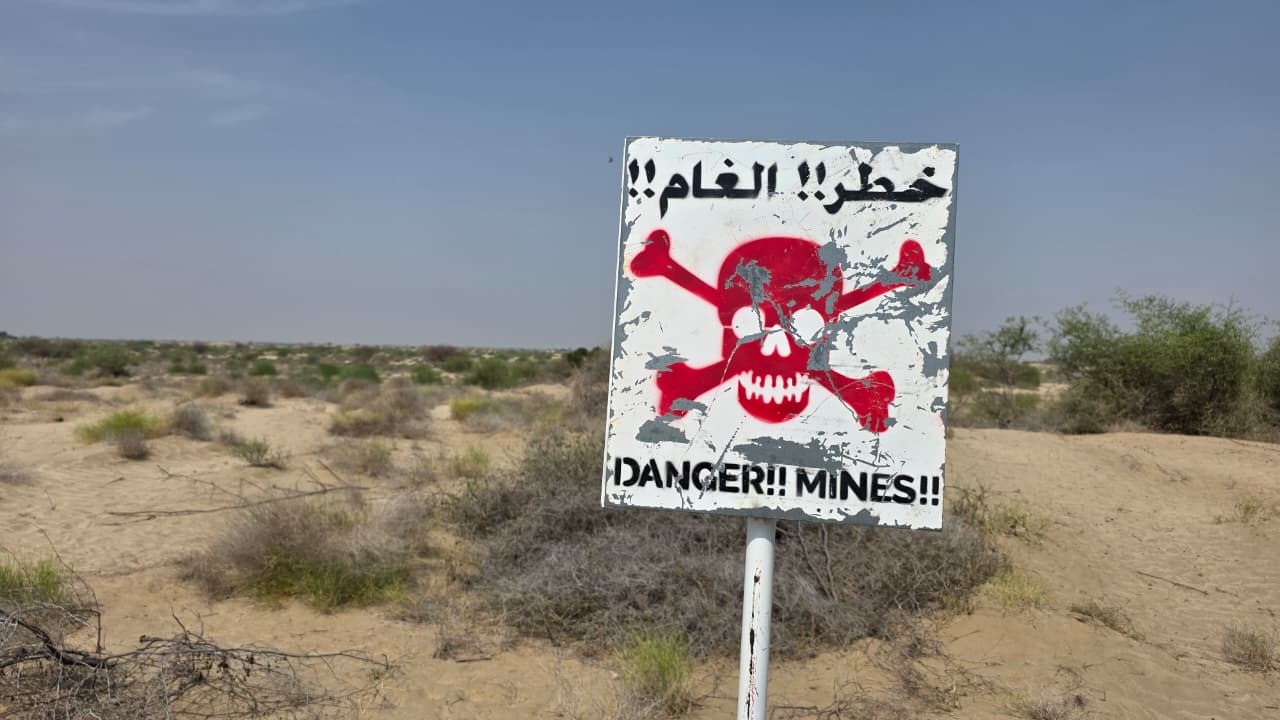
Project Masam Team 38 has responded to a report from a local resident after landmines were found near homes south of Bani Fayd in Midi District, Hajjah Governorate.
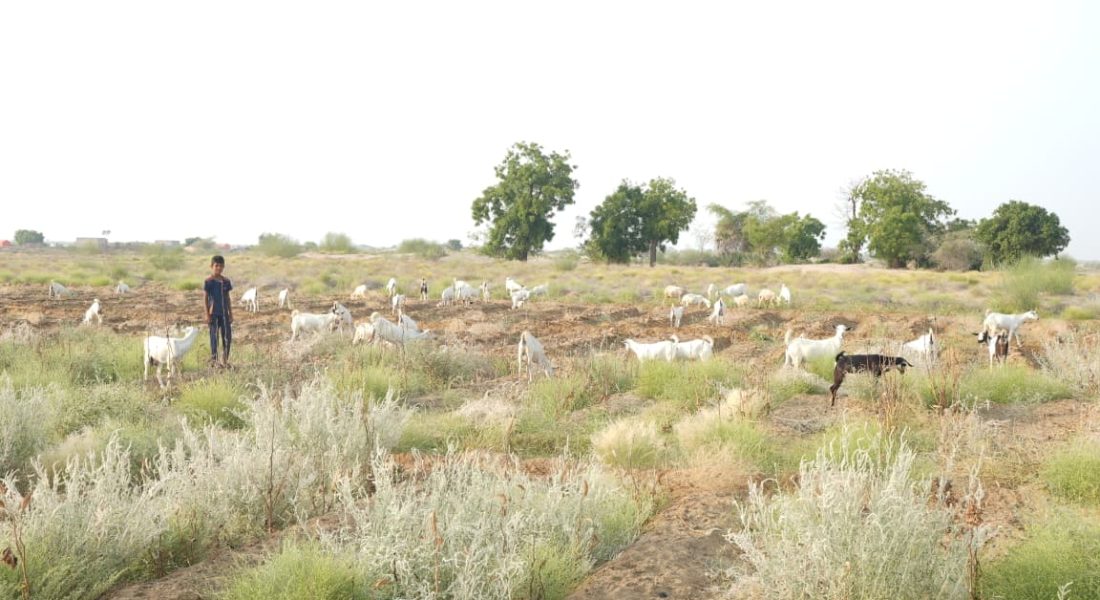
The mines posed a direct threat to civilians, property, and livestock in the area, where residents have previously reported casualties, damage to agricultural equipment, and restrictions on movement caused by explosive contamination.
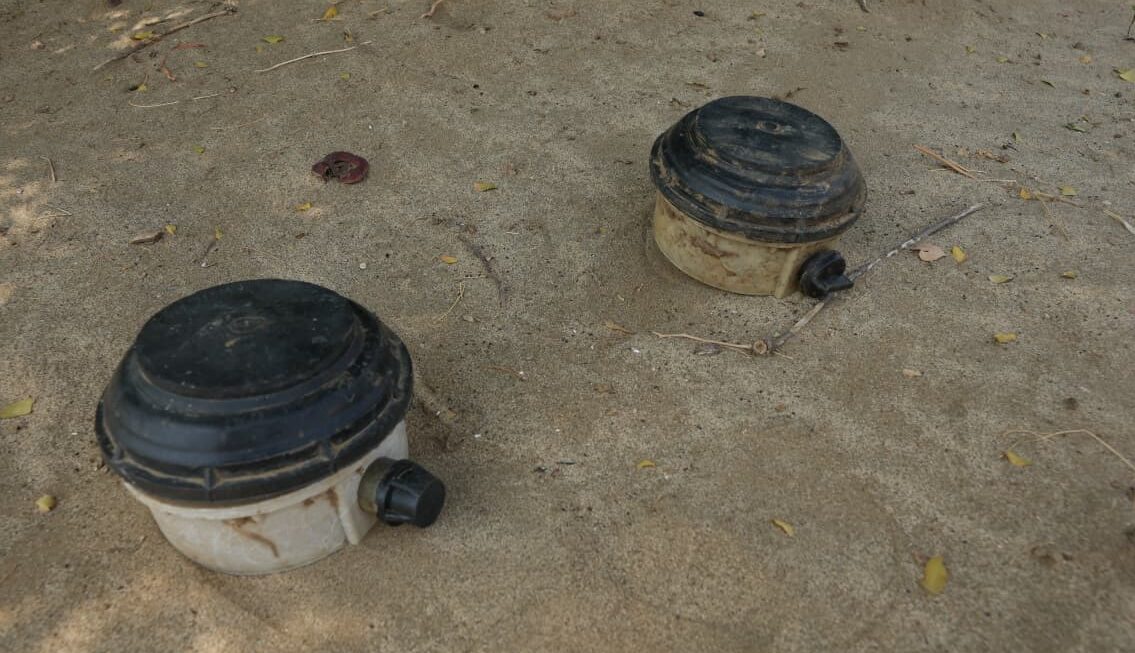
Engineer Saif Al-Mashmari, leader of Project Masam Team 38, said the team received a report from resident Ahmed Hattan about the presence of anti-personnel and anti-tank mines near residential areas.
Following the report, the team deployed to the site to assess the threat and begin survey and clearance operations.
Al-Mashmari said the team dismantled two anti-personnel mines during its initial inspection of the area. He added that survey and clearance work is continuing, as the location has been classified as high risk.
Residents have been warned to stay away from the site until all landmines and explosive remnants of war have been cleared and the area is declared safe.
Al-Mashmari said the operation aims to protect civilians and allow residents to resume daily activities without fear of injury, damage, or loss.
Ahmed Hattan thanked the team for its rapid response.
“We thank Team 38 of Project Masam for responding quickly to our report and coming to the area to protect us from the mines we discovered about 80 metres from our homes,” he said.
Hattan said residents had long suffered because of mines scattered across the area. He said previous incidents had caused casualties, killed livestock, damaged agricultural equipment, and made movement and farming activities extremely dangerous.