A new United Nations (UN) warning on food insecurity has highlighted the growing humanitarian challenges facing Yemen, where millions of people continue to struggle to access sufficient food amid conflict, economic hardship, and declining humanitarian funding.
According to the latest UN figures, around five million people in Yemen (representing 47 per cent of the population) are experiencing crisis levels of food insecurity or worse, while a further 1.4 million people are facing emergency conditions. Humanitarian agencies have warned that the situation could deteriorate further in the coming months.
While food insecurity is driven by a range of factors, including conflict, displacement, economic decline, and disruptions to supply chains, explosive contamination continues to create additional barriers for communities attempting to rebuild their livelihoods.
Across Yemen, landmines, improvised explosive devices (IEDs), and unexploded ordnance (UXO) remain scattered throughout agricultural areas, grazing land, roads, and water access routes. In many rural communities, these hazards restrict access to land that families depend on for farming, livestock grazing, and income generation.
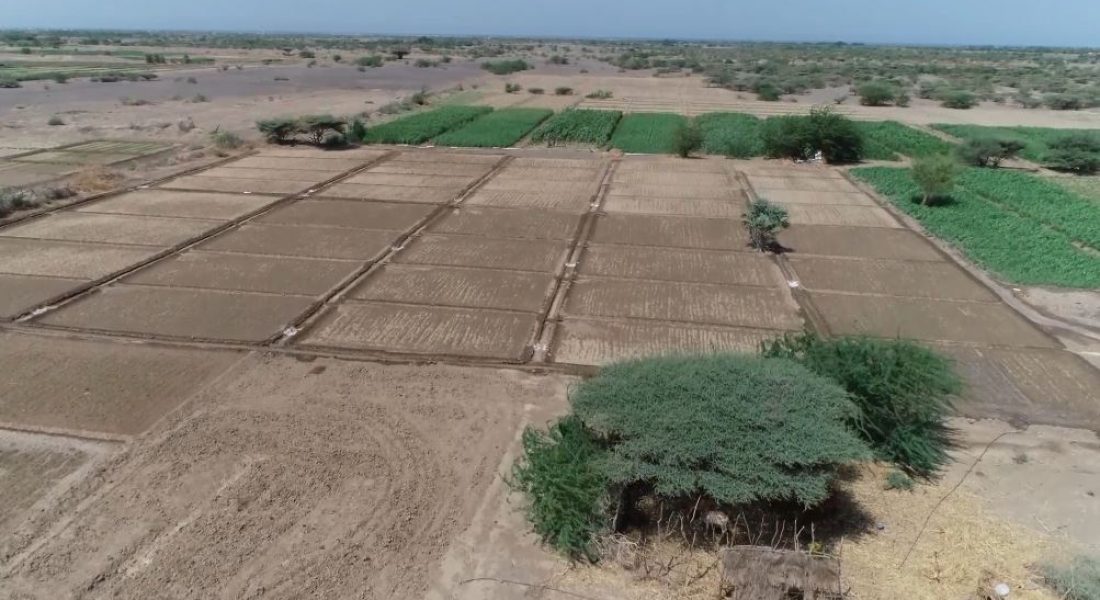
For farmers and herders, the consequences can be severe. Fields may remain uncultivated because of suspected contamination, while access to wells, irrigation systems, and grazing areas can be limited by the presence of explosive hazards. In some areas, families face difficult choices between protecting their safety and securing the resources needed to support their livelihoods.
The relationship between landmine contamination and food security has become increasingly apparent across Yemen’s conflict-affected governorates. Communities returning after displacement often find farmland contaminated, while others remain unable to fully utilise agricultural land because of the continued threat posed by mines and unexploded ordnance.
Since beginning operations in mid-2018, Project Masam has cleared more than 565,000 explosive threats across Yemen and made more than 80 million square metres of land safe for civilian use. These operations have helped restore access to farmland, villages, roads, water sources, and other essential infrastructure relied upon by local communities.
Commenting, Ousama Algosaibi, Managing Director of Project Masam, said the link between Mine Action and food security should not be overlooked: “As the United Nations warns of worsening hunger in Yemen, it is important to recognise that landmines remain an obstacle to food security and recovery.
“Too often, landmines are viewed solely as a security issue, when in reality they are also a barrier to economic recovery, agricultural production, and long-term resilience.
“Every contaminated field that cannot be cultivated and every community cut off from productive land makes recovery more difficult.
“As Yemen faces growing food insecurity, sustained support for humanitarian mine action is essential to ensure that families can safely access the land and resources they need to support themselves and reduce dependence on aid.”
The UN has repeatedly identified conflict as one of the principal drivers of hunger in Yemen and other crisis-affected countries. Humanitarian organisations, and those engaged in humanitarian Mine Action such as Project Masam, warn that communities already facing food insecurity are particularly vulnerable when conflict, displacement, and explosive contamination limit access to productive land and livelihoods.
For humanitarian Mine Action organisations, the benefits of clearance extend beyond immediate civilian protection. Indeed, by restoring access to farmland, grazing areas, roads, and water sources, demining operations can help create conditions that support economic recovery, agricultural production, and community resilience.
As Yemen continues to confront one of the world’s most severe humanitarian crises, addressing explosive contamination remains an important component of broader efforts to support recovery and reduce the long-term impact of conflict on affected communities.