Project Masam has warned that footage from Taiz Governorate and the Red Sea Coast shows large-scale new mine-laying in areas its teams had previously worked to clear and secure.
The footage emerges after Yemen saw its most significant escalation in fighting since the 2022 truce period, with Houthi forces advancing rapidly across western Taiz and the Red Sea Coast in early September. During that offensive, the group seized key areas including Mokha, Dhubab and stretches of the western coastline, while fighting also intensified around Hays and the approaches to Bab al-Mandab.
Newly released videos from areas recently retaken by forces aligned with Yemen’s internationally recognised government show extensive concentrations of anti-tank mines across parts of Taiz Governorate and the Red Sea Coast.
According to Project Masam, the footage was recorded in areas seized by Houthi forces during the recent escalation and subsequently retaken. The project said the videos show large quantities of landmines and improvised explosive devices (IEDs) newly laid or emplaced in locations where Project Masam teams had already carried out extensive clearance over recent years.
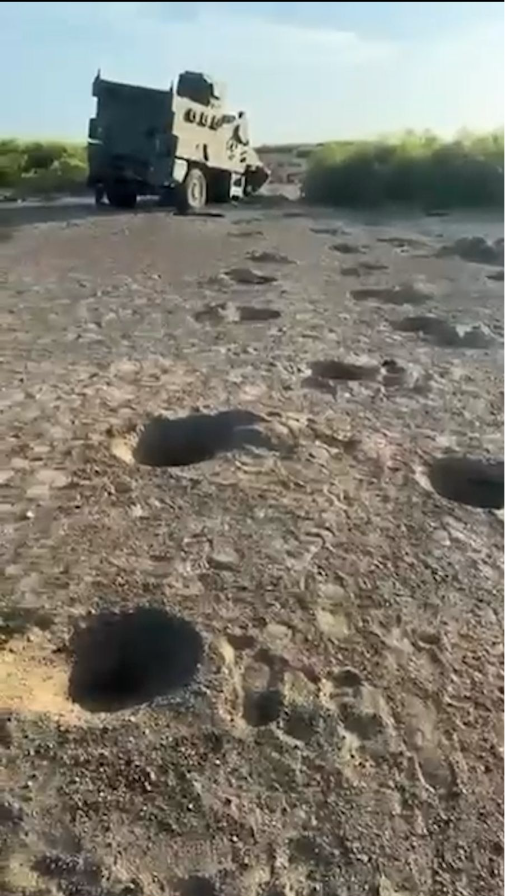
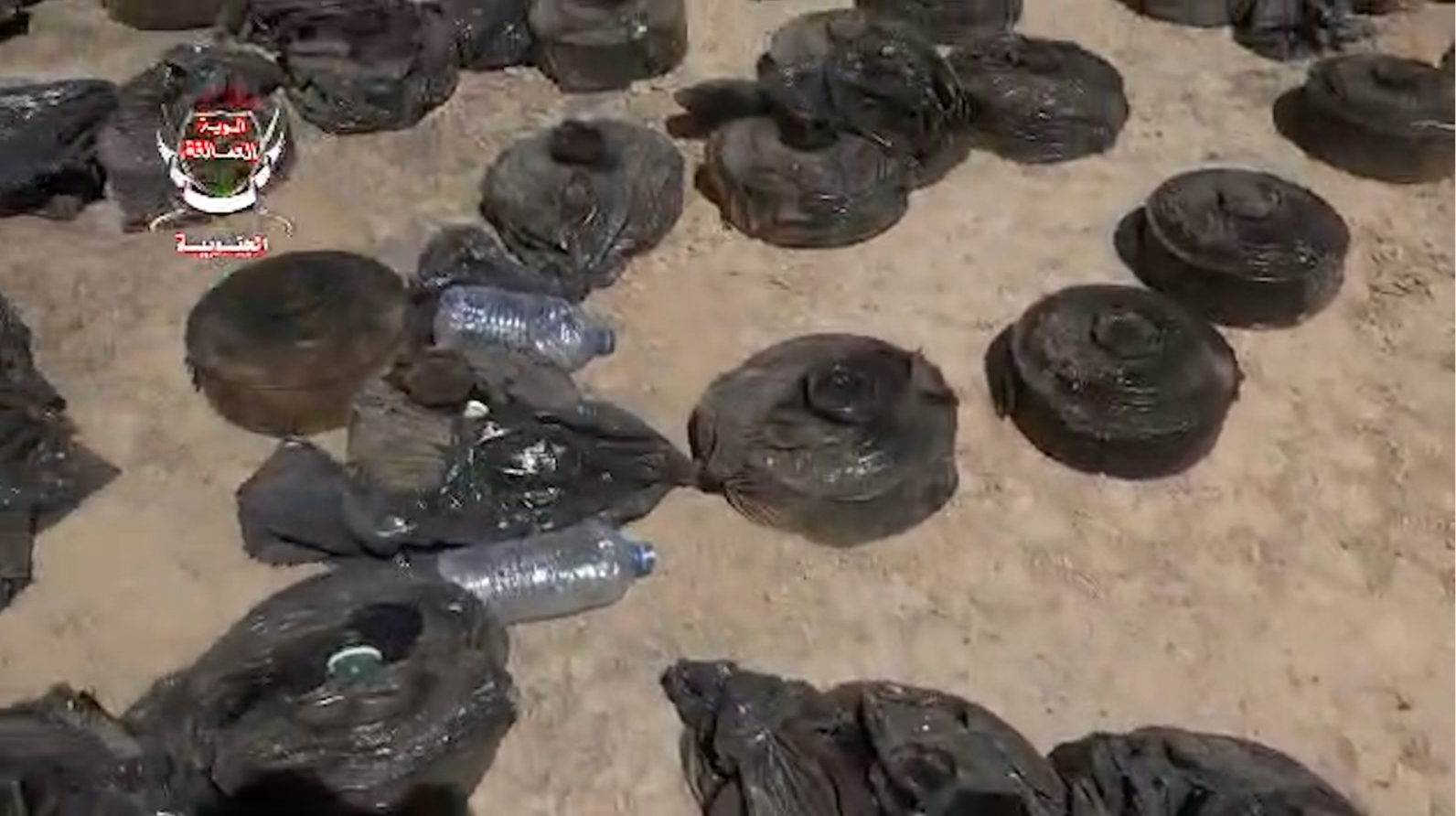
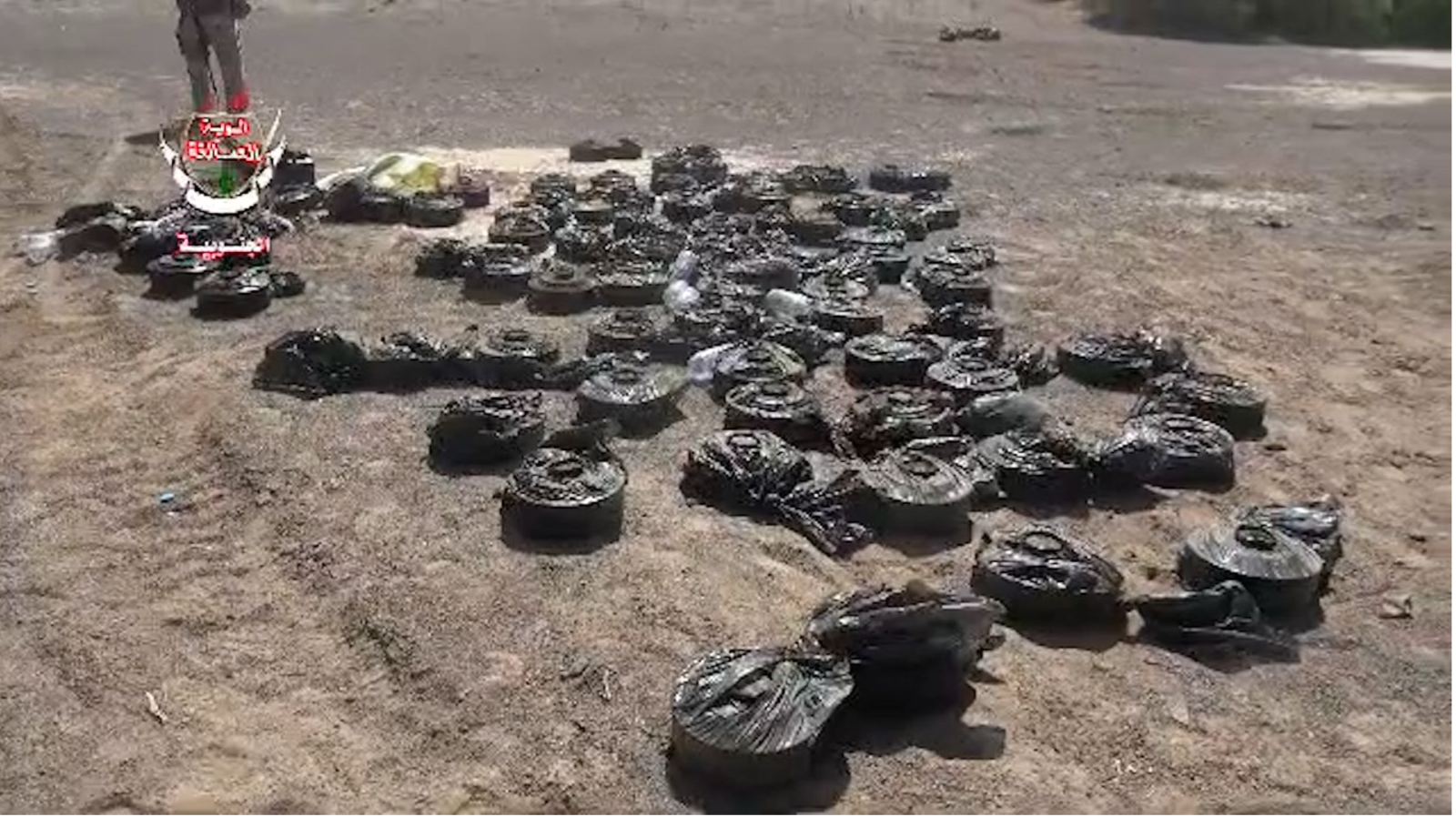
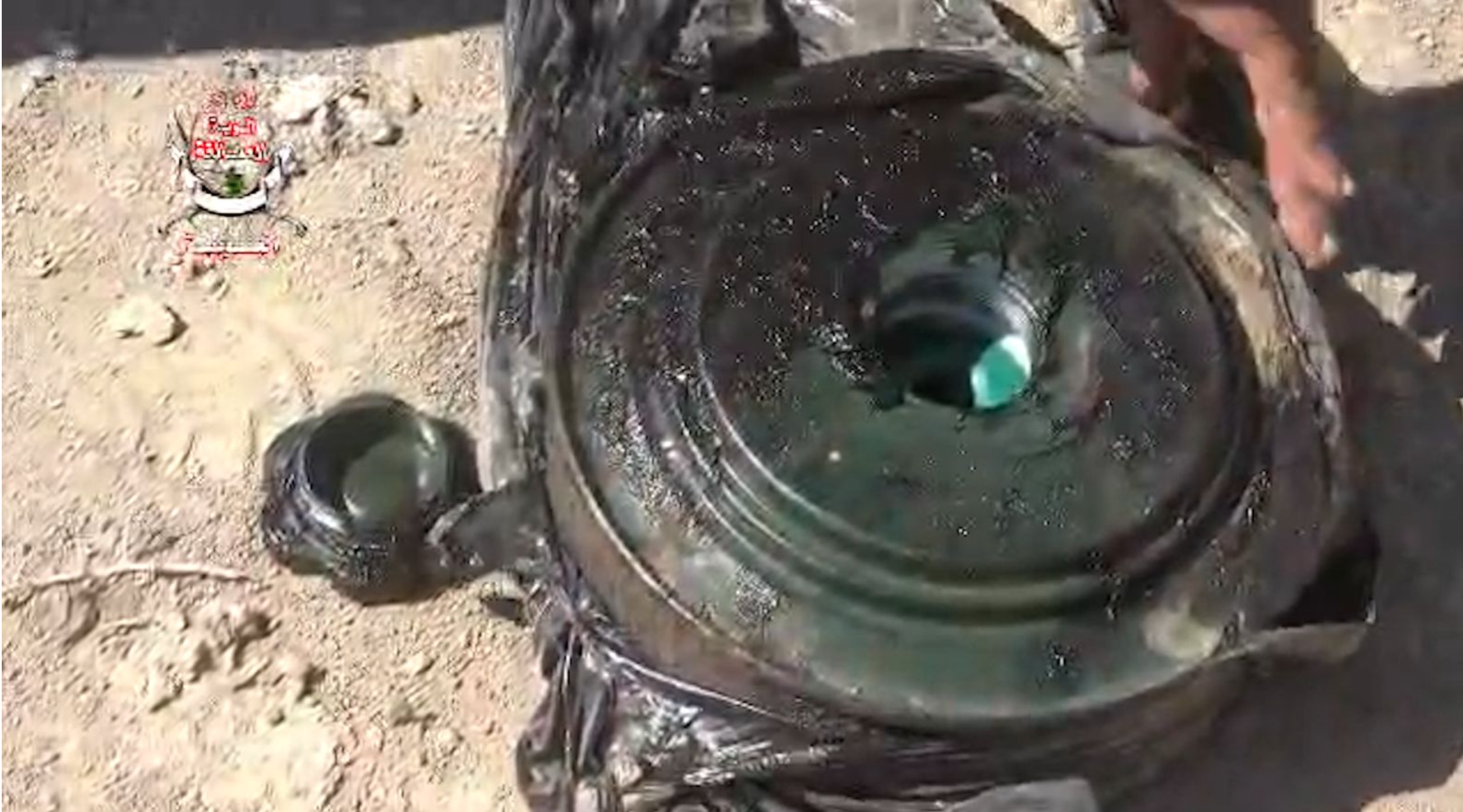
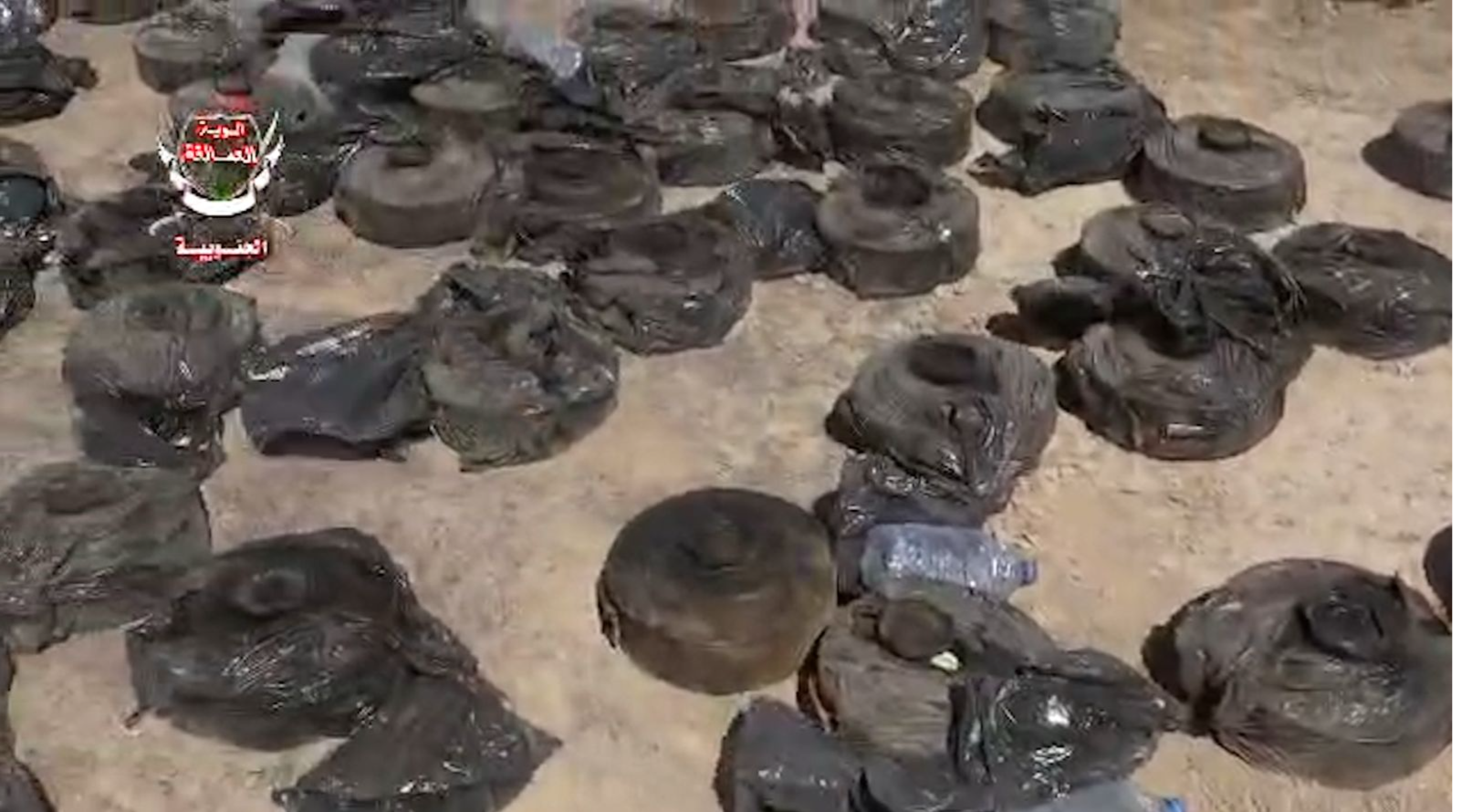
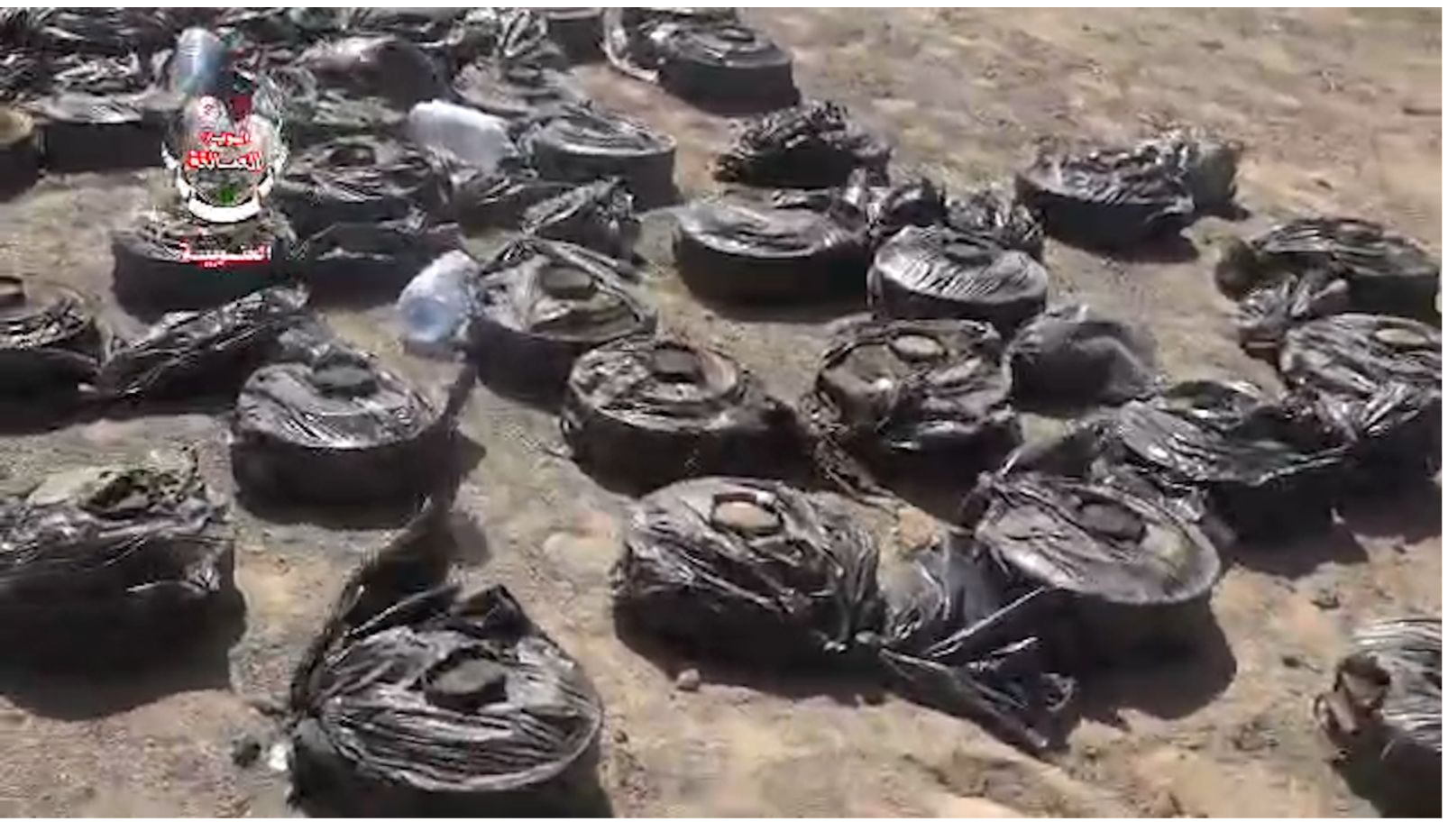
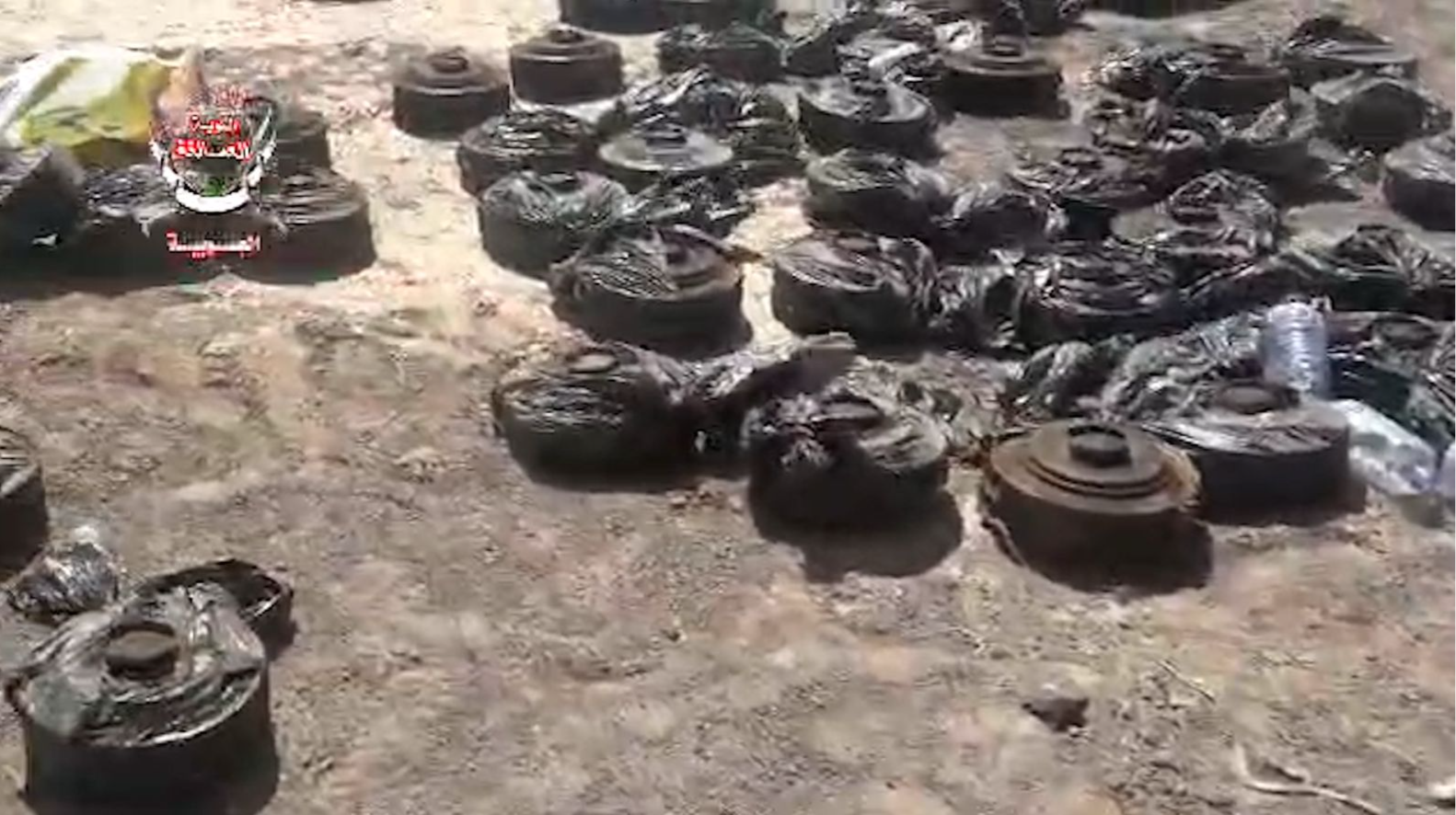
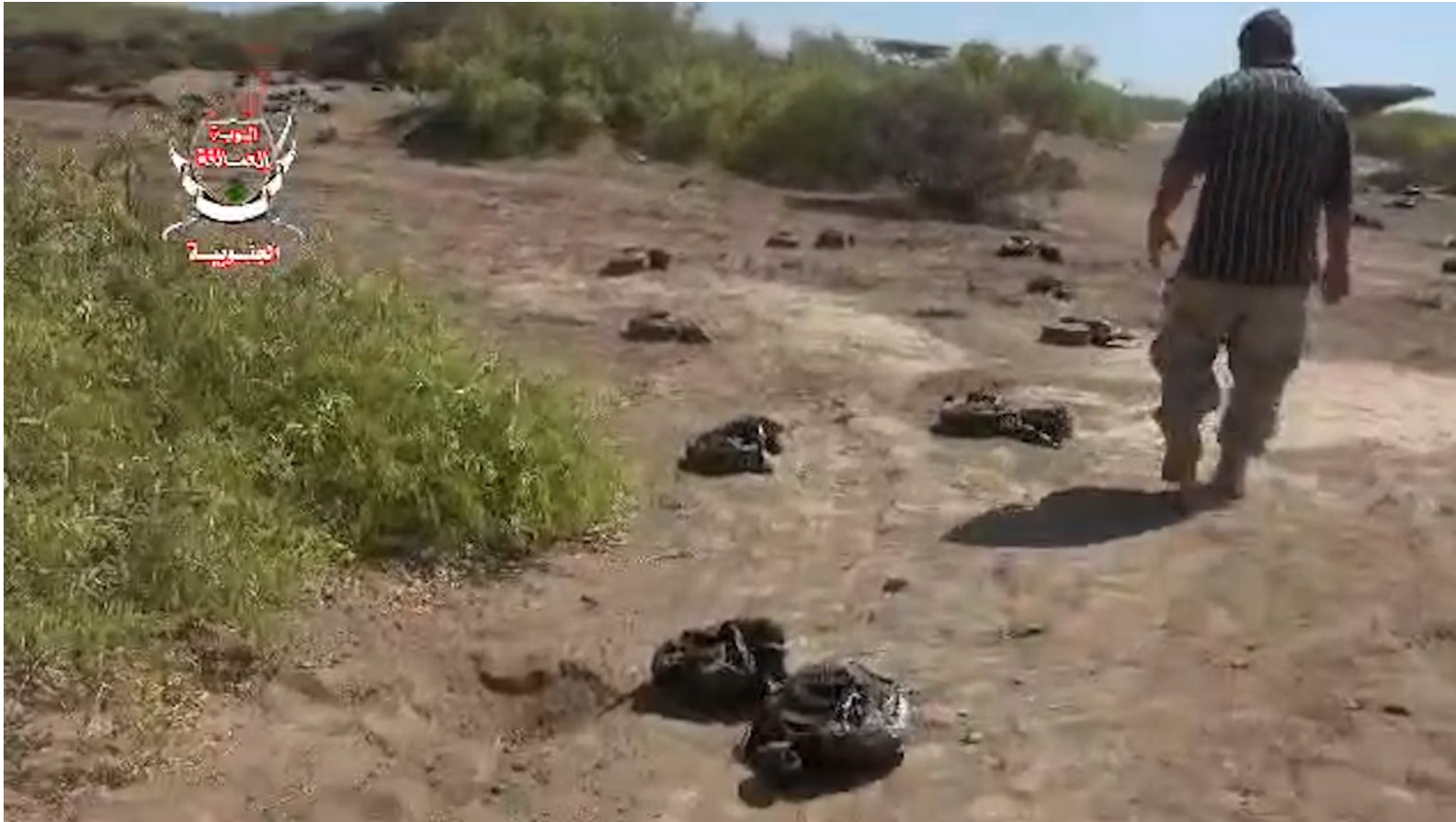
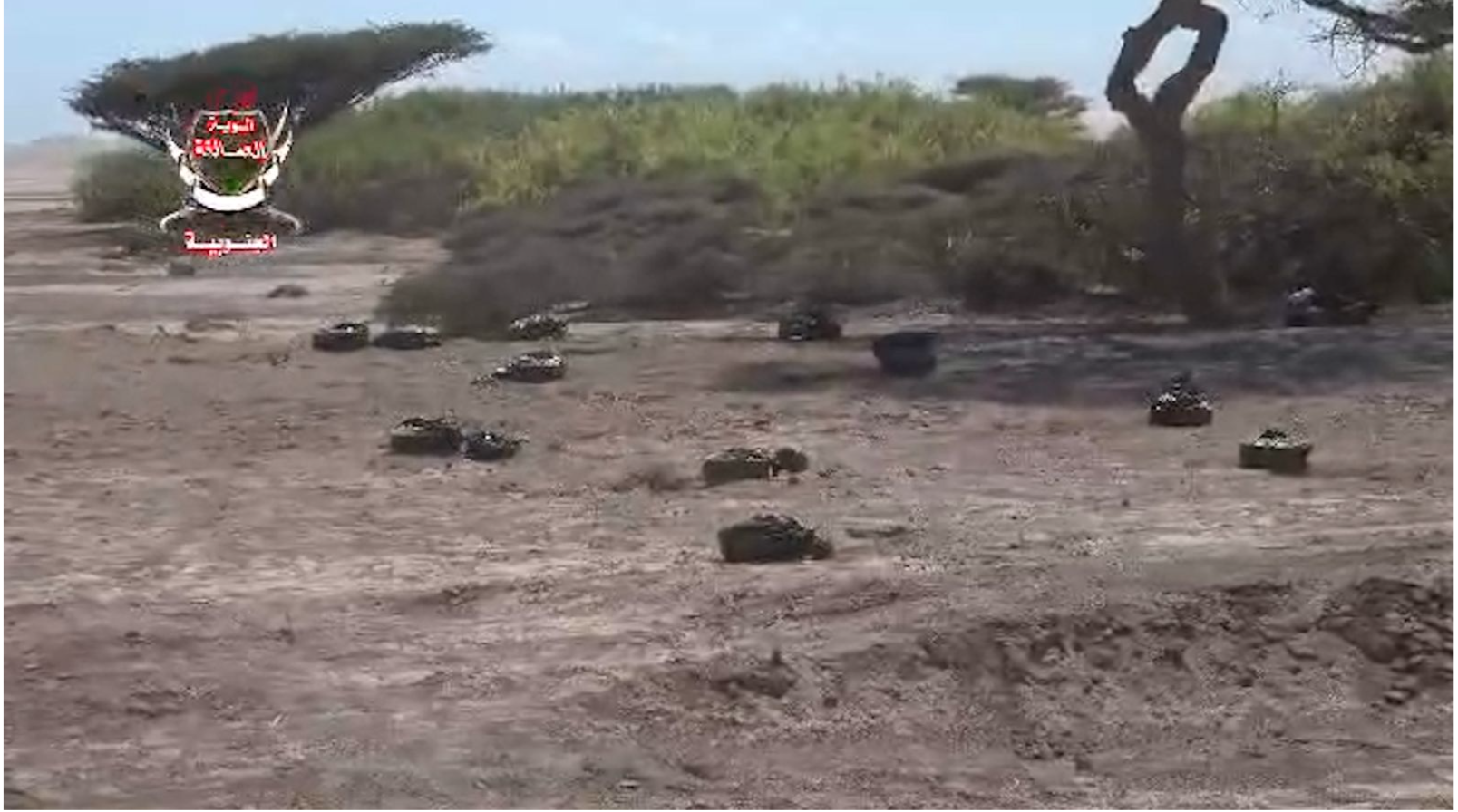
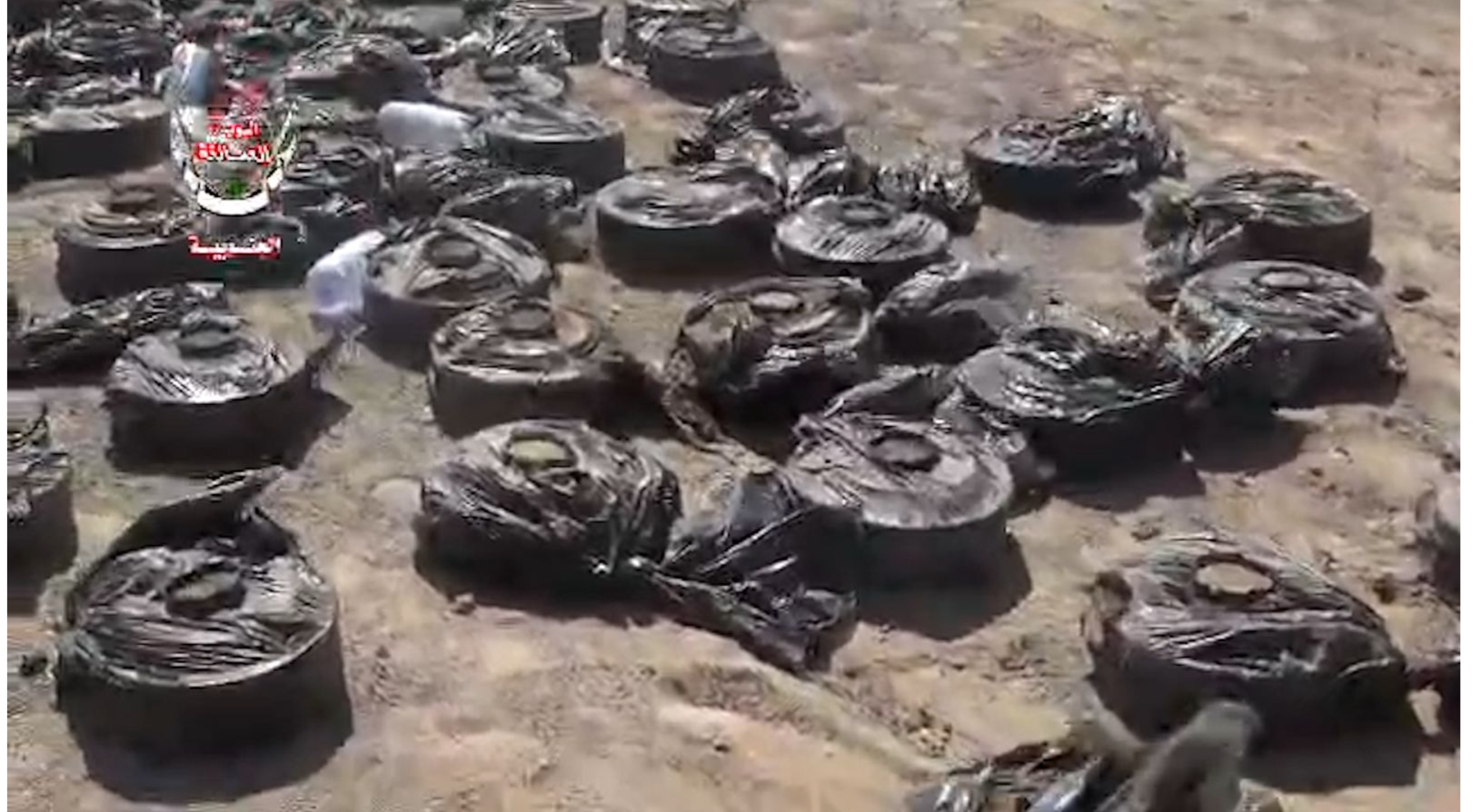
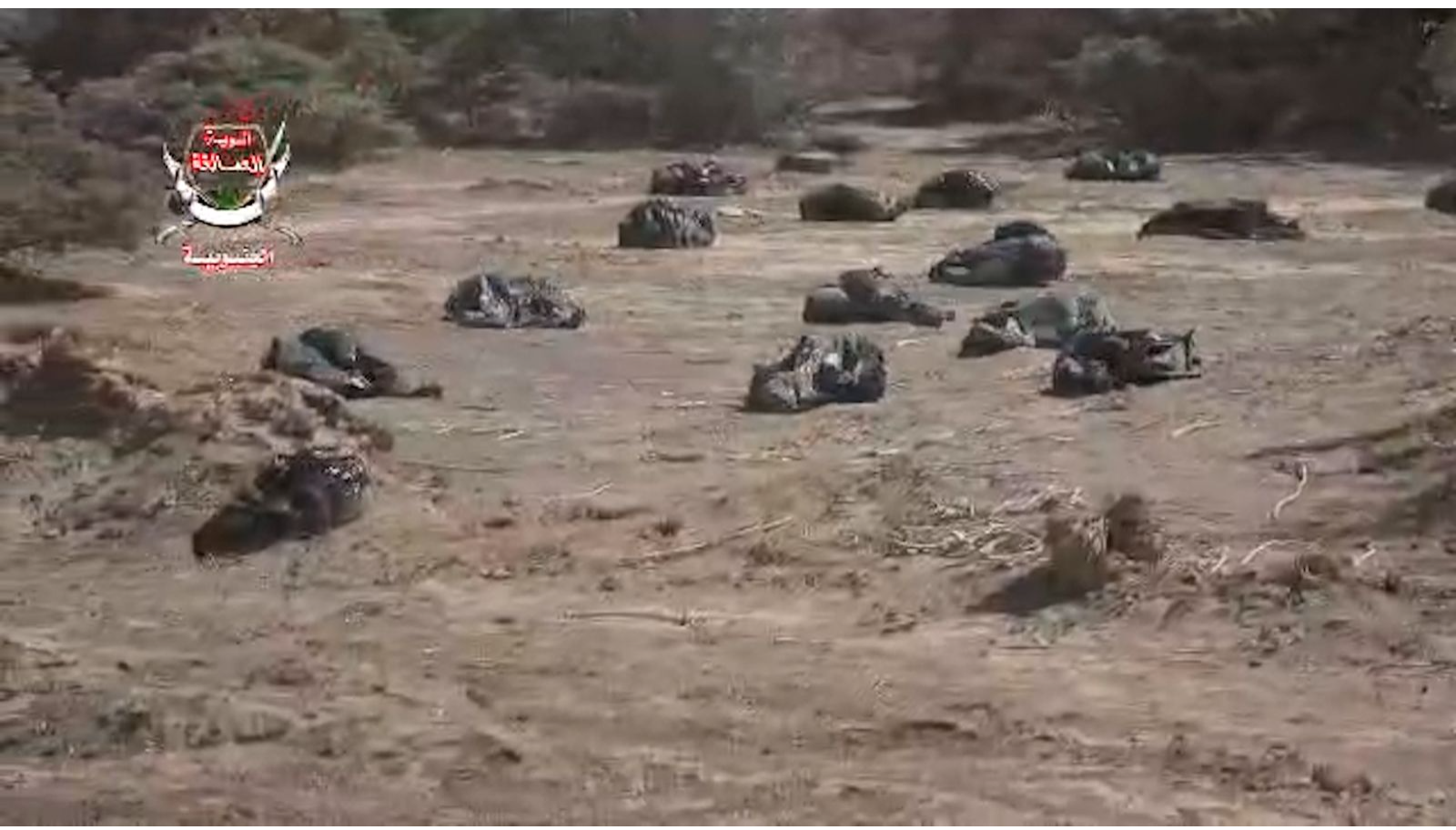
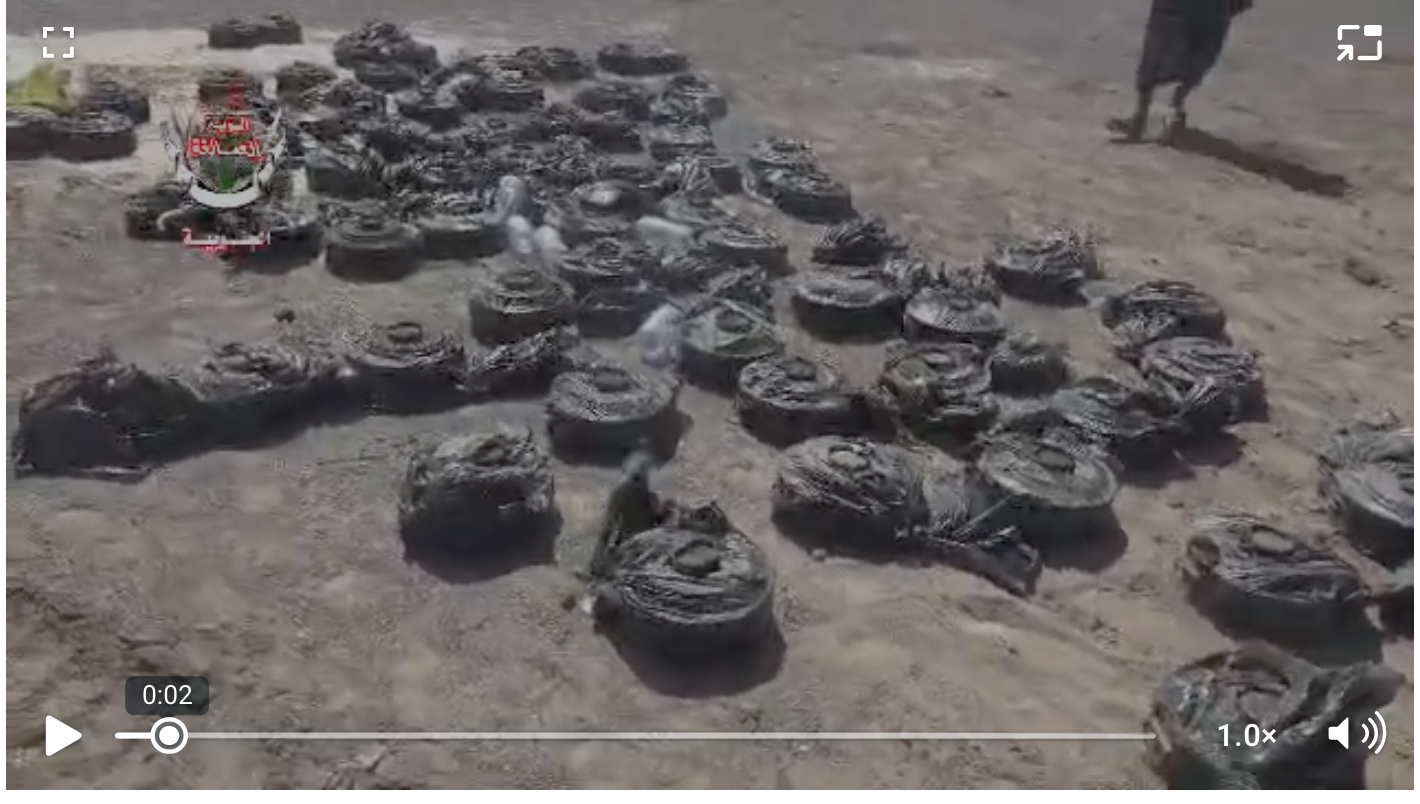
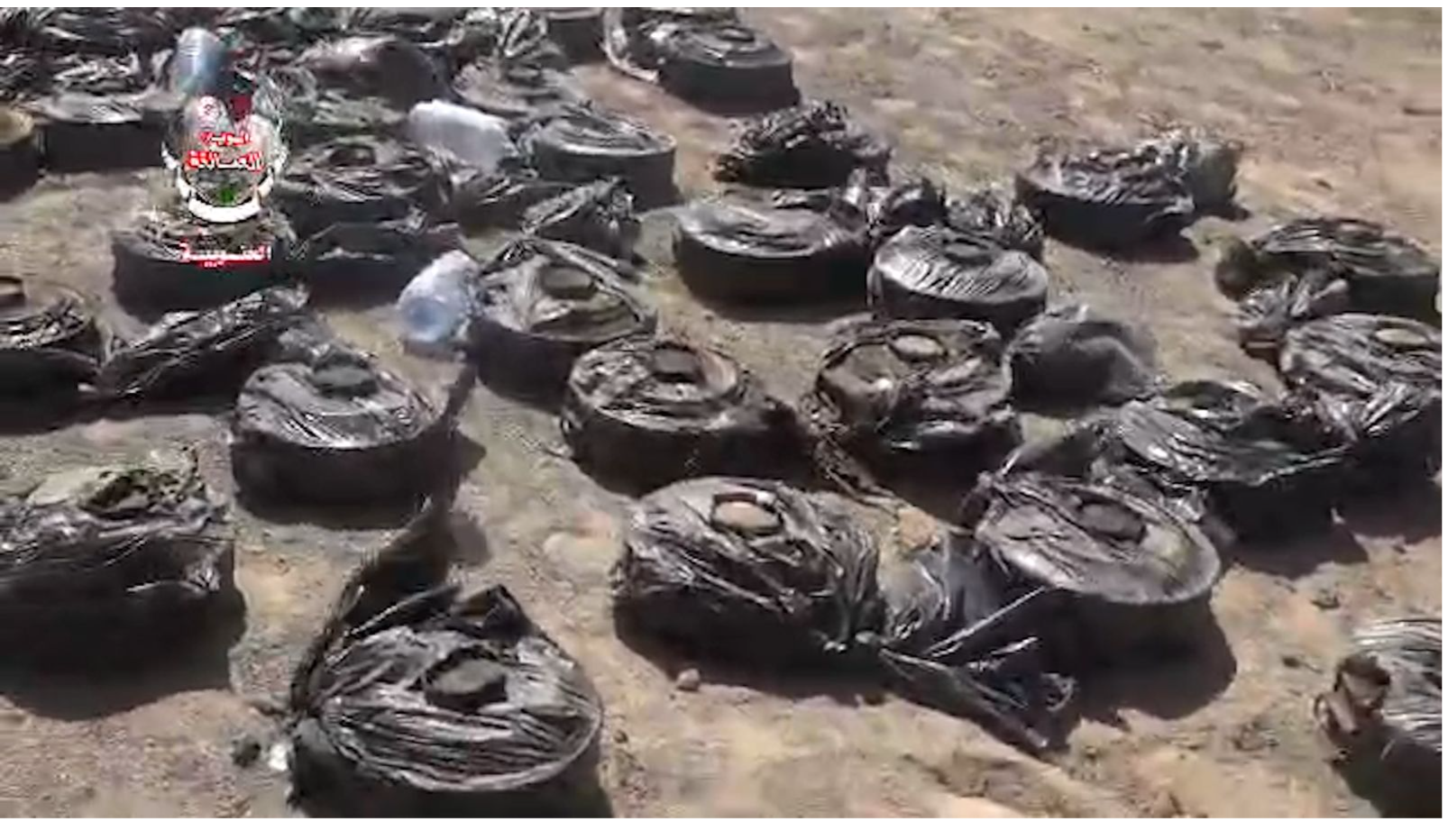
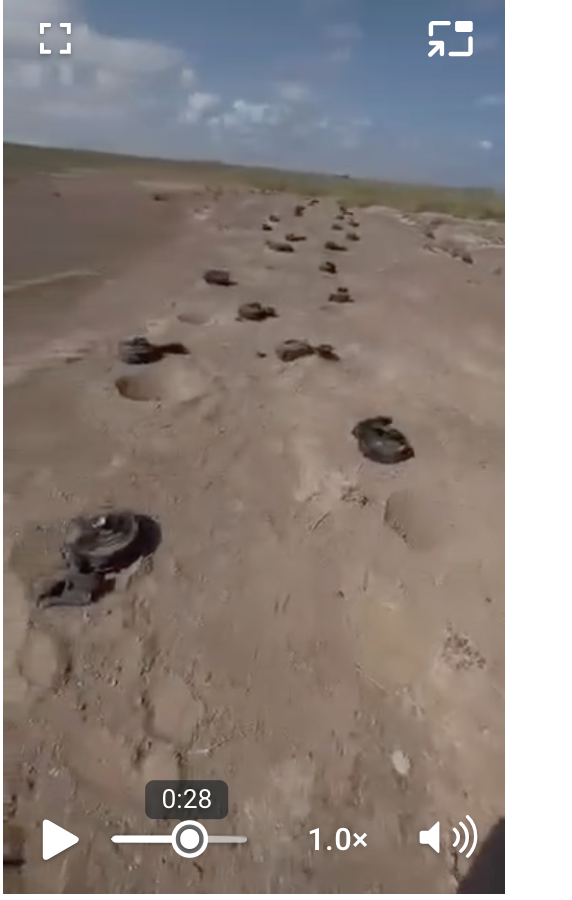
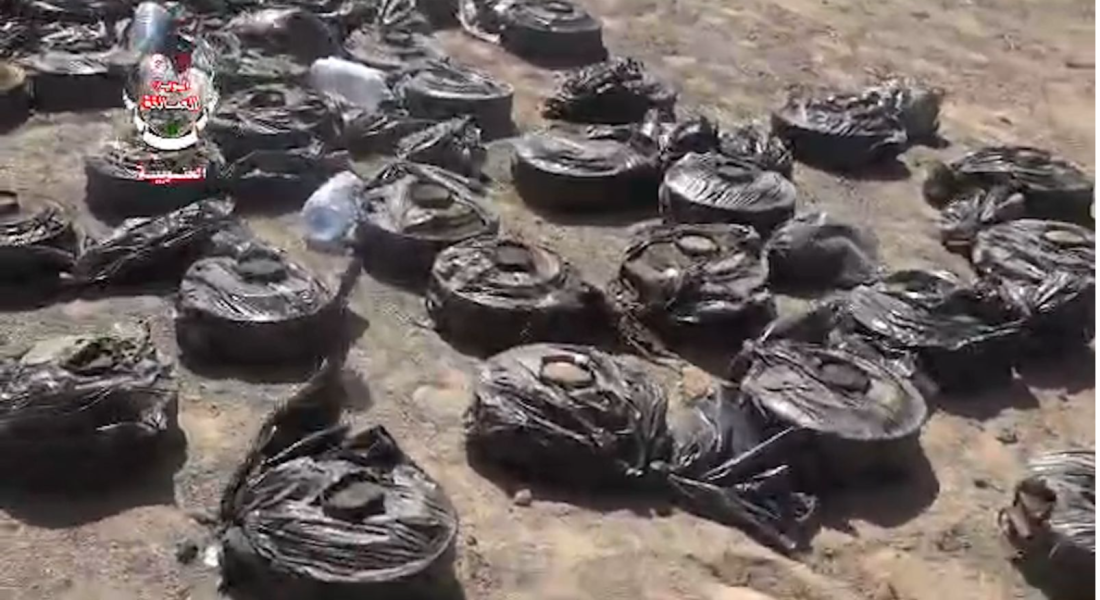
The footage shows anti-tank mines positioned at short intervals across open ground and along routes used for movement. In several sequences, mine positions extend beyond a single camera frame, while separate footage shows dozens of recovered mines gathered together after removal.
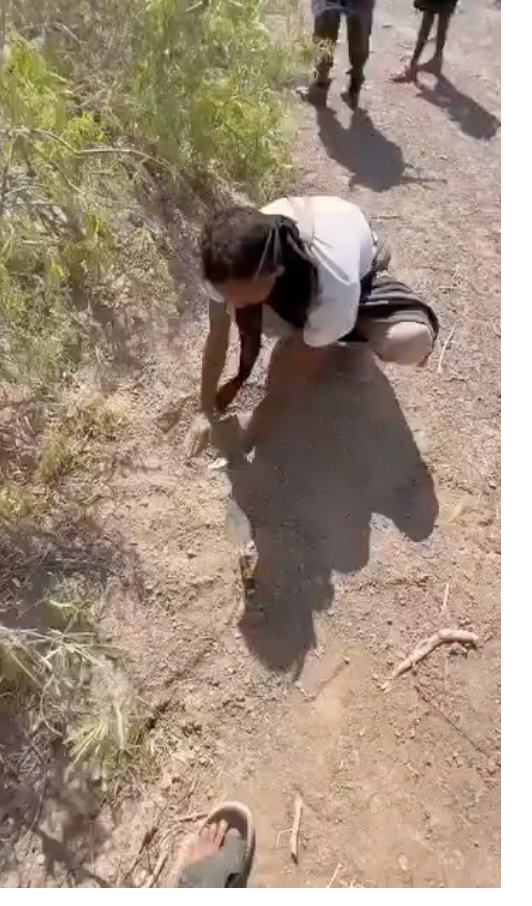
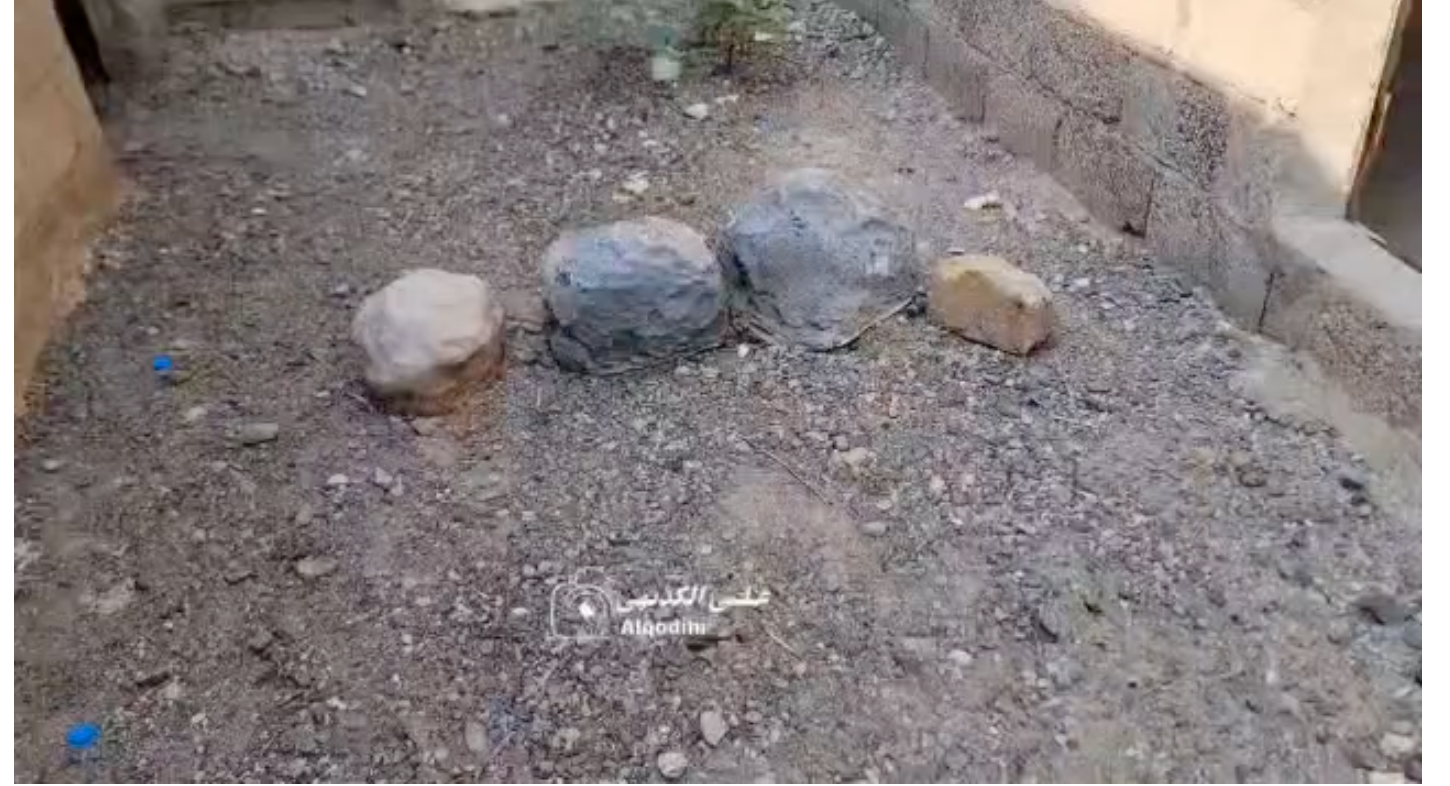
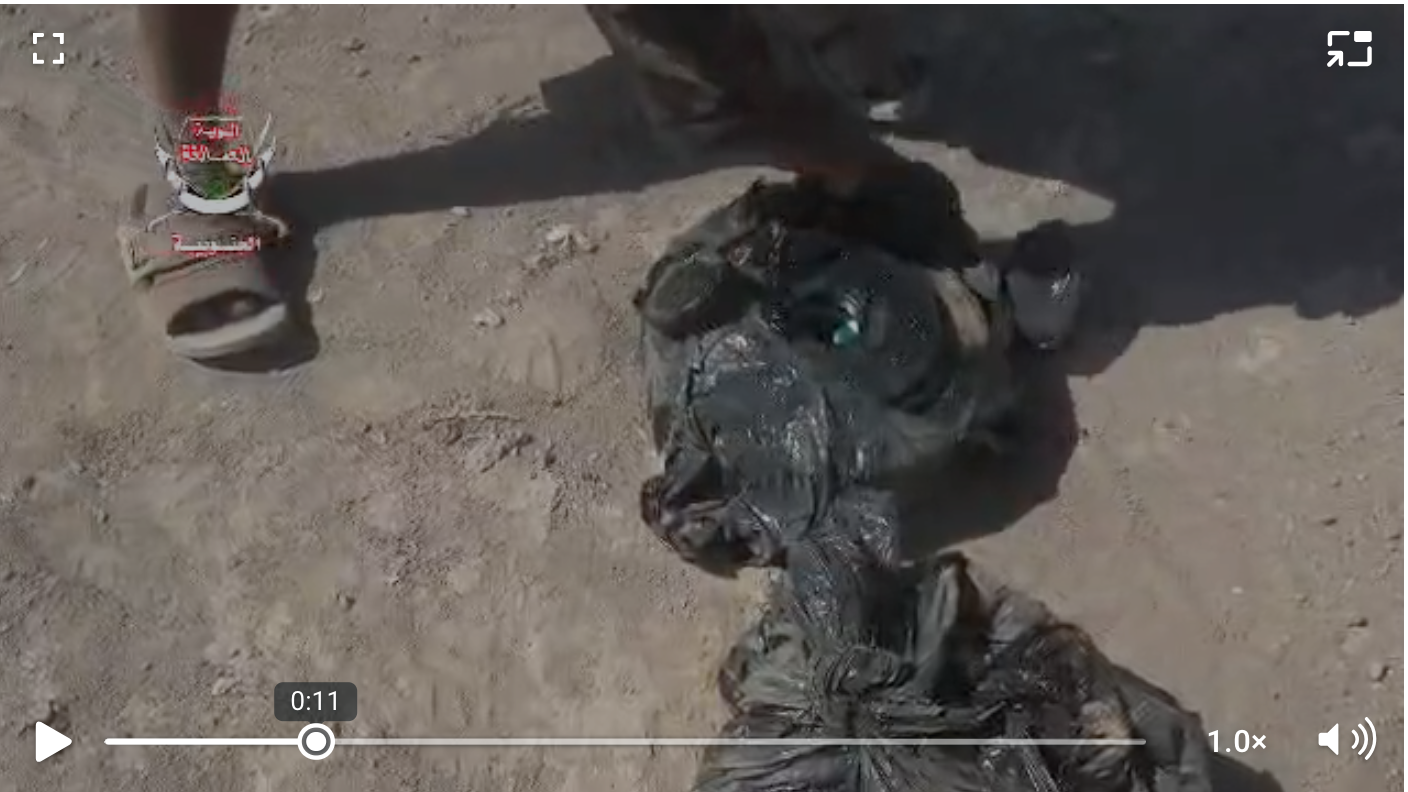
Other clips show members of government-aligned forces manually lifting mines from the ground as newly retaken areas are secured. A separate video shows four camouflaged IEDs designed to resemble rocks, commonly referred to as “rock mines”.
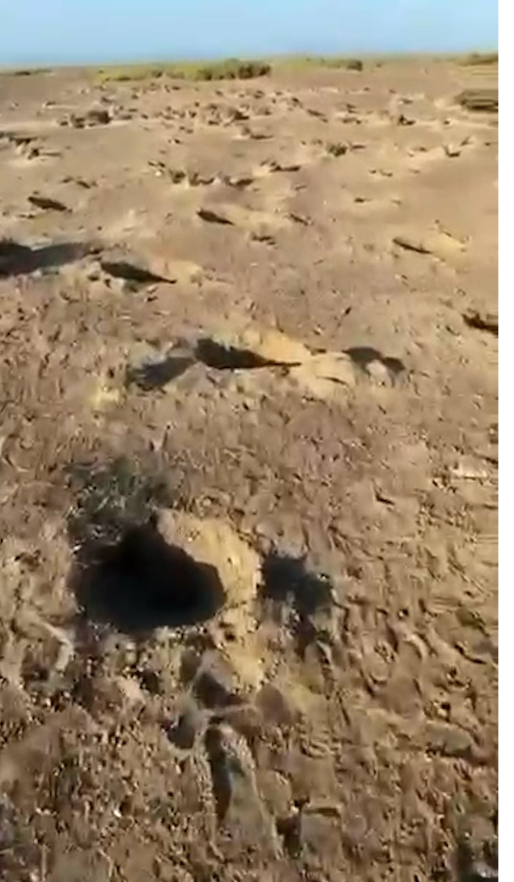
Other images show the holes left after mines have been lifted, revealing repeated positions running across tracks and open terrain.
The density and pattern visible in the footage are consistent with mine belts rather than isolated emplacement. In some locations, mines appear to have been laid only a few metres apart, creating concentrated barriers across areas likely to be used by vehicles and civilians.
Project Masam Managing Director Ousama Algosaibi confirmed that the men shown recovering the mines are members of forces fighting against the Houthis.
Algosaibi praised members of the Yemeni Armed Forces, the Giants Brigades, Nation’s Shield forces and the Tihama Resistance for their role in responding to the newly discovered contamination.
Previously cleared areas contaminated again
Project Masam said some of the locations shown in the videos had previously undergone extensive humanitarian mine clearance.
“Videos show large quantities of landmines planted by Houthi militias in areas they recently seized in several districts of Taiz Governorate and along the western coast,” Algosaibi said.
“The videos reveal the extent of the mines and IEDs that were replanted in areas that Project Masam teams had worked to clear and secure almost completely over the past few years.”
For communities living in these areas, renewed contamination risks reversing years of clearance work and making previously accessible land dangerous again. Roads and tracks that had been reopened may once more require survey and clearance, while agricultural land and grazing areas may become inaccessible and families attempting to return home could face explosive hazards in places they had previously considered safe.
The consequences can continue long after control of an area changes. Project Masam has repeatedly warned that landmines restrict civilian movement, prevent farmers and herders from safely using their land, disrupt trade and access to services, and can prolong displacement by preventing families from returning home.
Scale of the mine-laying
The footage shows members of forces aligned with Yemen’s internationally recognised government manually lifting and removing mines from affected areas shortly after they were retaken. In several sequences, personnel can be seen working directly on the ground to recover mines by hand from the sand before gathering them for removal.
The quantities visible are significant. Large numbers of anti-tank mines, many wrapped in what appears to be black plastic sheeting, can be seen across open terrain, while other sequences show substantial collections of mines after removal.
The footage illustrates the immediate challenge facing forces entering newly retaken areas, where explosive contamination may need to be identified and removed before roads and surrounding land can be used safely.
Project Masam warned that newly laid mine belts create an additional layer of contamination in a country already affected by years of landmine and explosive ordnance use.
Since operations began in 2018, Project Masam has cleared hundreds of thousands of mines, unexploded ordnance and IEDs across Yemen, including extensive contamination in Taiz and along the Red Sea Coast.
The discovery of new mines in areas that had already undergone clearance means some of that work may now have to be repeated.
Project Masam condemns renewed mine-laying
Project Masam condemned the renewed contamination of areas that had already undergone years of humanitarian clearance.
The project warned that large-scale mine-laying of this kind creates a long-term threat to civilians, irrespective of how quickly military frontlines change.
Every newly laid mine can remain dangerous for years, threatening people returning home, farmers attempting to cultivate their land, herders moving livestock and civilians travelling between communities.
Project Masam said its teams remain prepared to assess and re-clear affected areas as access and operational conditions allow.
Special Tasks Teams, emergency response teams and regional operations rooms continue to respond to reports of mines, unexploded ordnance and other explosive hazards in areas where Project Masam operates.
Call for minefield maps and accountability
Project Masam renewed its call for the locations, coordinates and maps of newly laid minefields to be disclosed and handed to the relevant mine action authorities.
Accurate records can significantly reduce the time required to identify contaminated areas and allow clearance organisations to prioritise locations posing the greatest risk to civilians.
The project also called on the international community to increase pressure for accountability over continued mine use in Yemen and to support the identification, survey and clearance of newly contaminated areas.
Project Masam has repeatedly called for all available minefield records to be handed over so civilians are not left carrying the consequences of contamination long after military operations have ended.
The latest footage from Taiz and the Red Sea Coast shows the scale of that challenge in areas where clearance had already taken place.
For communities hoping to return home and rebuild their lives, renewed mine-laying means land that had been made safer may now have to be cleared again.