In 2022, States Parties to the Anti-Personnel Mine Ban Convention (Ottawa Convention) approved Yemen’s request for a five-year extension of its Article 5 mine clearance deadline, extending the country’s obligations until 1 March 2028. The decision reflected international recognition of the scale of contamination affecting Yemen and the challenges facing humanitarian deminers working across the country.
In its extension request, Yemen cited the widespread presence of anti-personnel mines and other explosive hazards, the impact of years of conflict, difficulties accessing contaminated areas, and the operational challenges facing survey and clearance organisations working across the country.
Three years into the extension, humanitarian Mine Action organisations continue to face one avoidable obstacle: the absence of minefield maps and records for many contaminated areas. While humanitarian deminers, such as Saudi-funded Project Masam, continue to make progress, one question remains unanswered: why are the minefield maps still missing?
The decision to extend Yemen’s deadline until 2030 reflected a difficult operational reality. Yemen remains heavily contaminated by landmines, improvised explosive devices (IEDs), unexploded ordnance (UXO), and other explosive remnants of war. These hazards affect villages, roads, farmland, water sources, grazing areas, schools, public infrastructure, and routes used by civilians every day.
Since 2018, Project Masam has cleared more than 564,000 explosive threats across Yemen and secured more than 80.7 million square metres of land for civilian use. These figures show the scale of what has already been achieved. They also show the scale of what remains.
The extension granted by States Parties was never intended to be a substitute for practical measures that could accelerate clearance. Rather, it acknowledged that Yemen required additional time to address contamination on a scale unprecedented in the country’s history, according to Project Masam’s Managing Director Ousama Algosaibi. Yet one of the most significant obstacles identified by demining organisations remains unresolved: the continued absence of minefield records and coordinates for many areas where landmines were laid.
The absence of minefield maps and coordinates continues to make clearance slower, more dangerous, and more resource intensive than it should be.
Project Masam has long supported the #HandInTheMaps campaign, calling on the Houthi militias to release the coordinates and records of landmines planted across Yemen. This demand is not symbolic, as it is a practical requirement for faster, safer, and more effective humanitarian Mine Action.
Minefield maps matter because they help deminers understand where hazards were laid, how areas were contaminated, and which communities remain at greatest risk. They help teams plan survey and clearance operations more efficiently, prioritise resources, reduce unnecessary exposure, and identify dangerous areas before civilians discover them through accidents.
In Yemen, demining teams are often forced to work without this information. Instead, many contaminated areas are identified only after a civilian is killed or injured, after a vehicle strikes a mine, after livestock are killed, or after local residents report suspicious objects. Teams then carry out non-technical survey, collect information from communities, establish safe access, conduct technical survey, and begin painstaking clearance work to locate the first item of evidence. This is an essential part of humanitarian Mine Action, but it should not be the only way contaminated areas are identified.
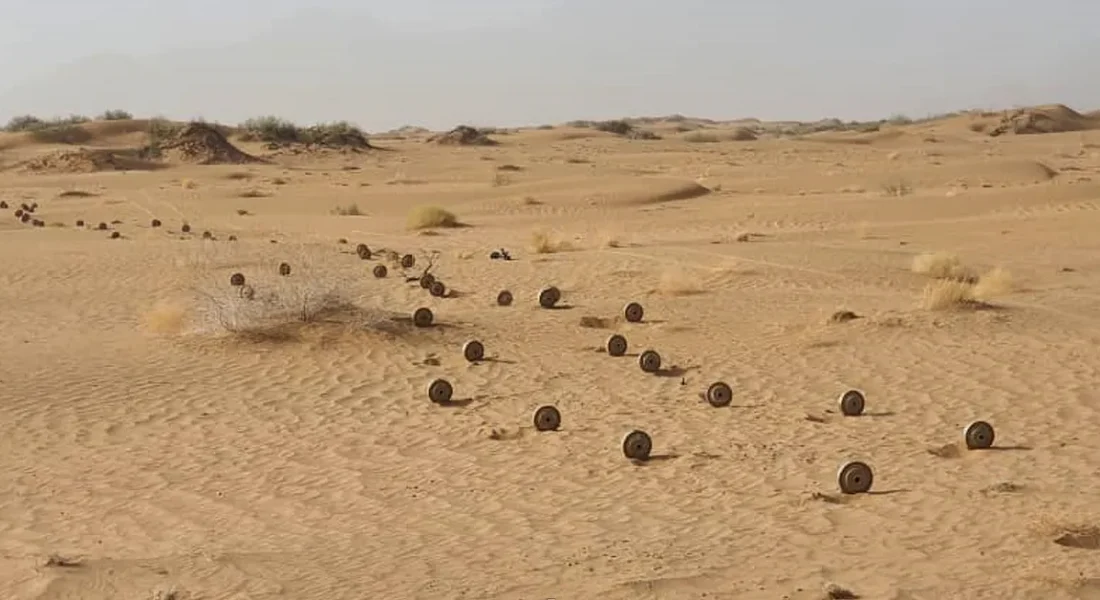
The problem is made worse by the way many mines have been laid in Yemen. Project Masam teams have repeatedly encountered minefields with no conventional pattern, no fencing, no warning signs, and no apparent marking system. In some areas, mines have been laid randomly across open land, between dunes, along likely access routes, around farmland, near homes, and in areas used for grazing.
In conventional mine warfare, minefields are expected to be marked and mapped. Records are supposed to support later clearance once hostilities end. In Yemen, Project Masam teams have instead found irregular and unmarked minefields that often give civilians no visible warning of the danger beneath their feet.
This creates a particularly dangerous environment for civilians. Indeed, a person may enter a contaminated area once without triggering a mine and assume it is safe. Others may then use the same road, field, grazing area, or water route. The absence of visible warning signs and the lack of reliable records create a false sense of security until an explosion occurs.
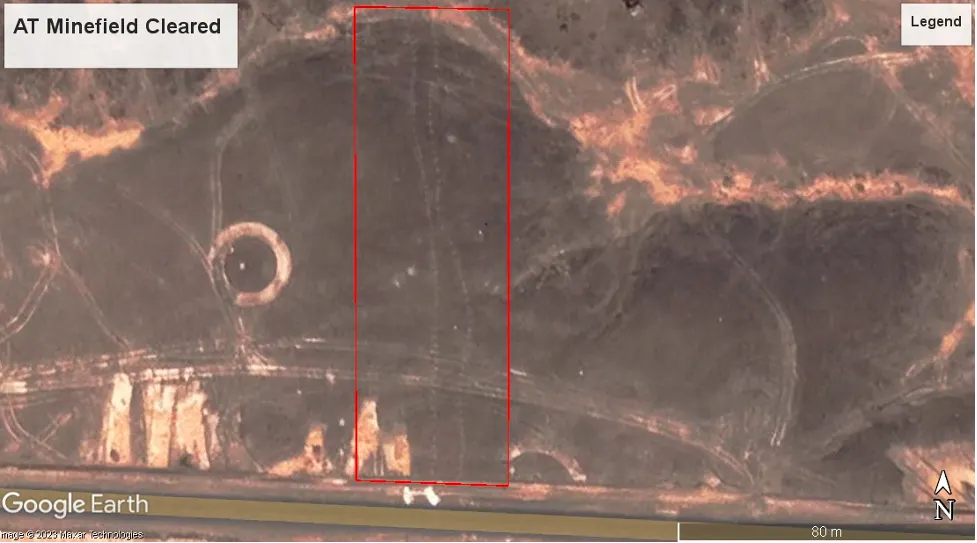
For deminers, irregular minefields require strict procedures, constant supervision, and methodical clearance. Teams must investigate suspected areas through survey and clearance lanes, search for physical evidence, plot located mines, and expand clearance areas depending on what they find. In some cases, teams must clear block by block, even where no clear pattern exists, because Houthis’ mine laying is so unpredictable.
The absence of maps also affects displaced families. Across Yemen, landmines continue to prevent civilians from returning home safely. Families who fled fighting often return years later to find roads, farms, houses, and water points contaminated. Others remain displaced because they cannot be certain that their homes or land are safe.
Project Masam has documented this reality repeatedly. In Hays District, returning civilians found farms, roads, and houses planted with mines after years of displacement. In Mokha and Taiz, clearance teams have reopened roads and agricultural land so displaced families can return. In Marib, flooding and shifting terrain have moved explosive hazards closer to displacement camps, placing already vulnerable families at further risk.
Maps would not solve Yemen’s landmine crisis overnight. They would not replace technical survey, clearance procedures, or community liaison, but they would, however, give deminers critical information that could help reduce risk, accelerate planning, and prevent civilians from becoming the “first indicators” of contamination.
This is why the call to hand in the maps remains so important, Algosabi said.
“The international community recognised the scale of Yemen’s contamination problem when it granted the extension to 2030. Two years later, humanitarian deminers are still being asked to locate and clear mines without access to records that could help identify hazardous areas more quickly. Handing over minefield maps would not remove every challenge, but it would make clearance operations safer, more efficient, and ultimately help protect civilians,” Algosabi explained.
The international community recognised in 2024 that Yemen needed more time to meet its mine clearance obligations. Two years into that extension period (and with suspected new laying of landmines and IEDs in strategic areas), humanitarian deminers continue to make great progress in some of the most difficult operating conditions in the world.
For Project Masam’s managing director, the coordinates and records of mined areas “should not remain hidden while civilians continue to be killed, injured, displaced, and denied access to their homes, farms, schools, and livelihoods”. Handing in the maps should not be a political concession as such, but they should be considered a humanitarian act, he added.
“Yemen was given more time because the world recognised the scale of the explosive threat problem. Now, those who planted the mines must release the information needed to help clear them. The maps need to be handed in.”