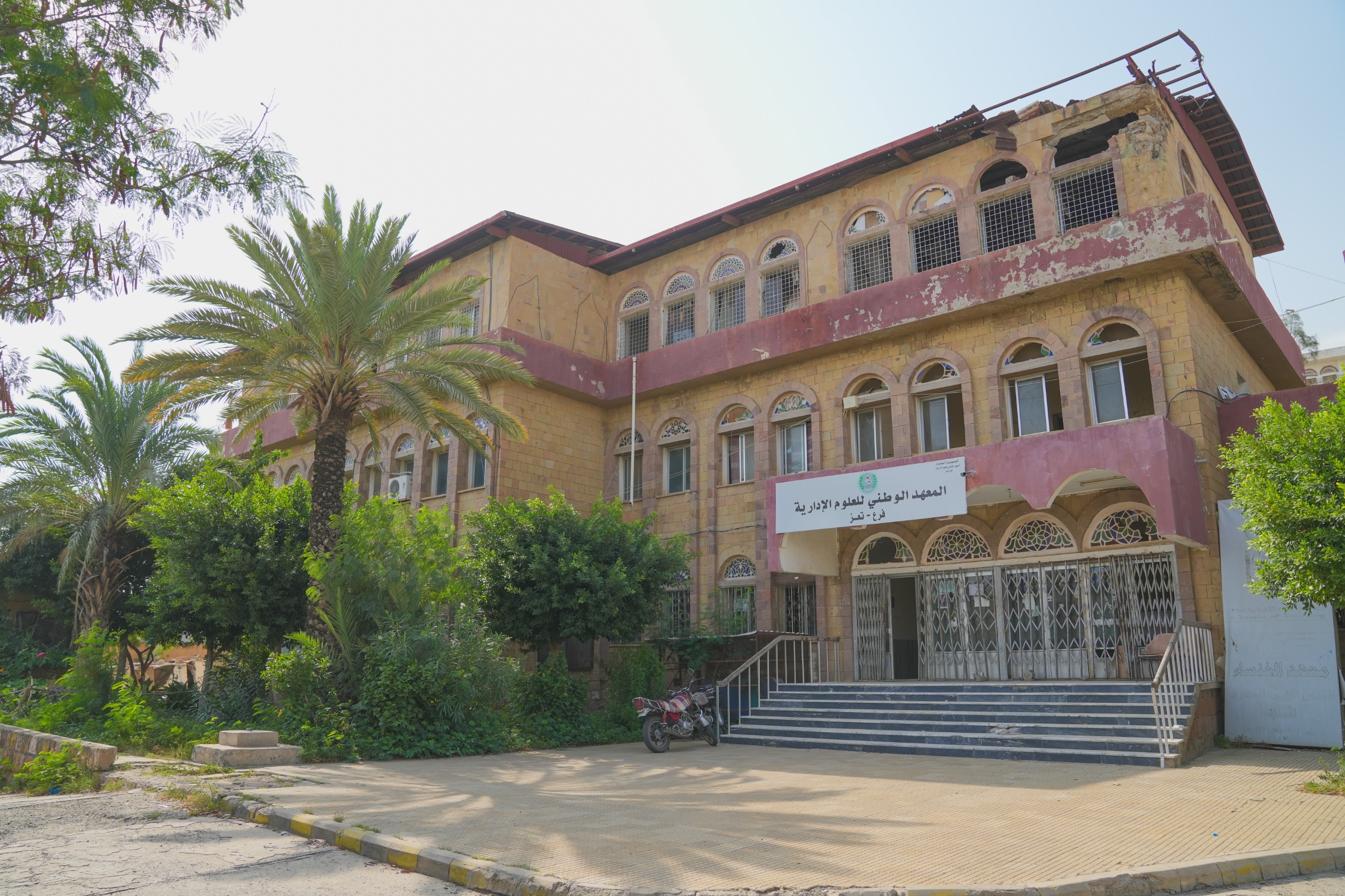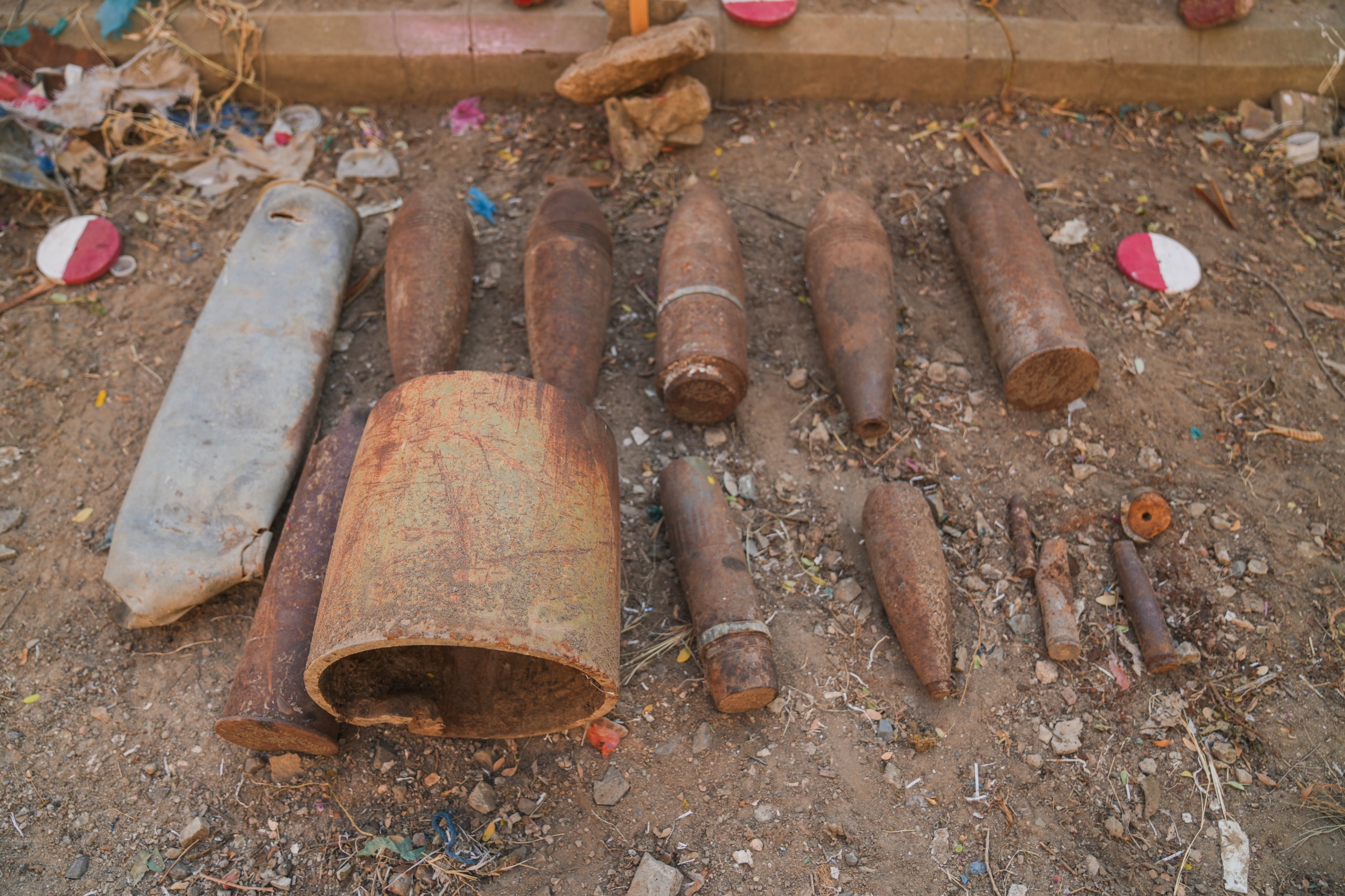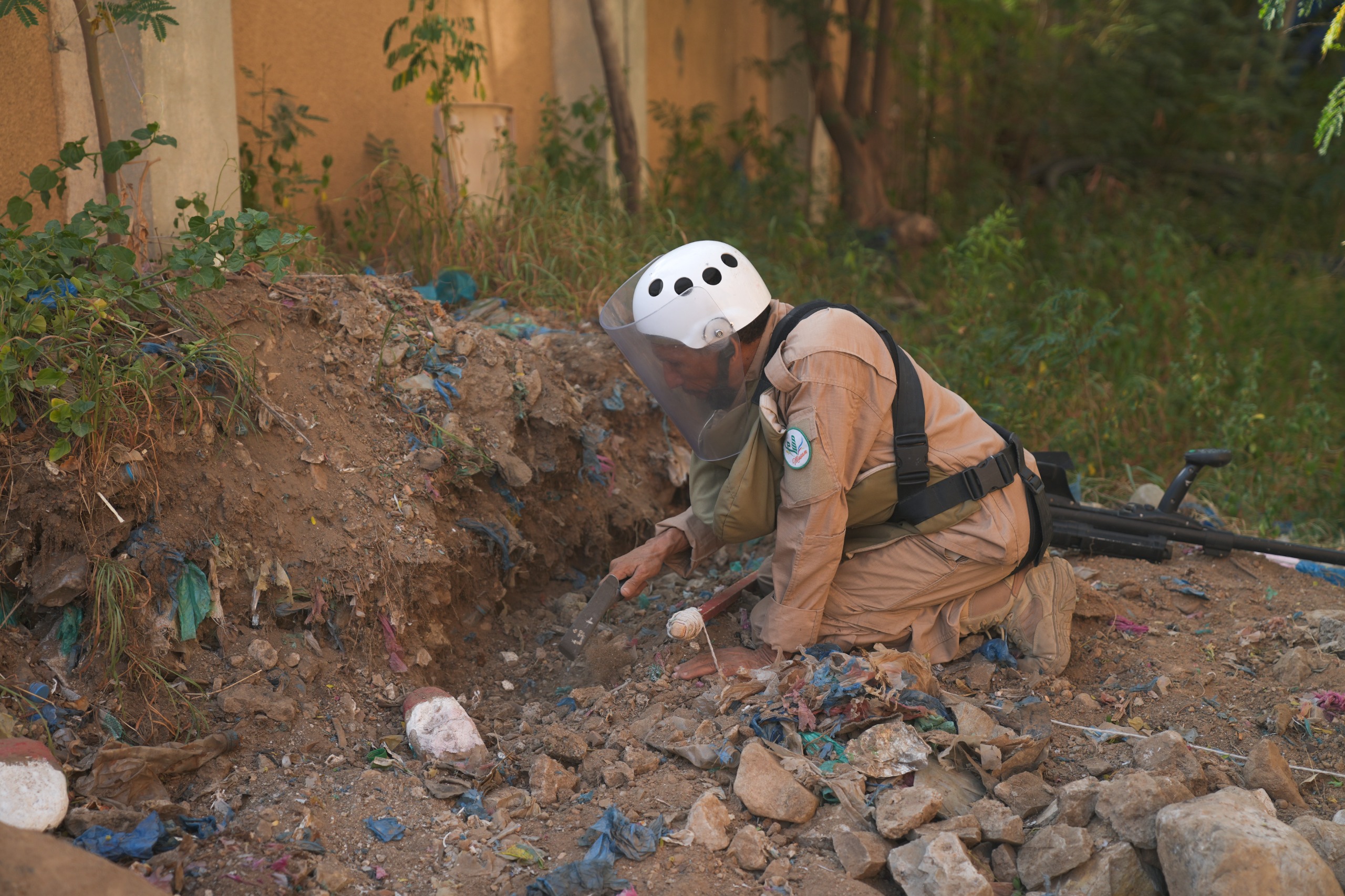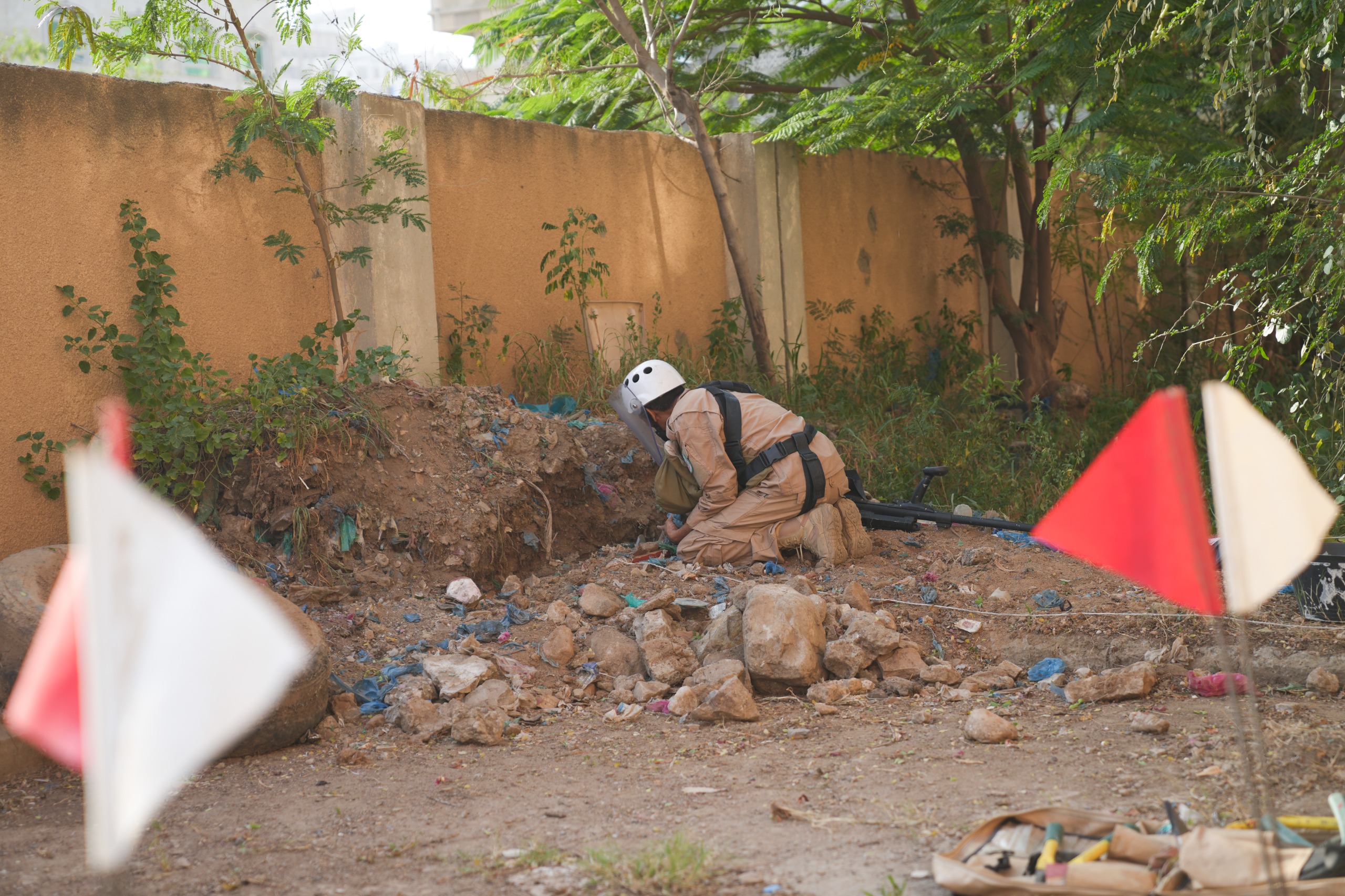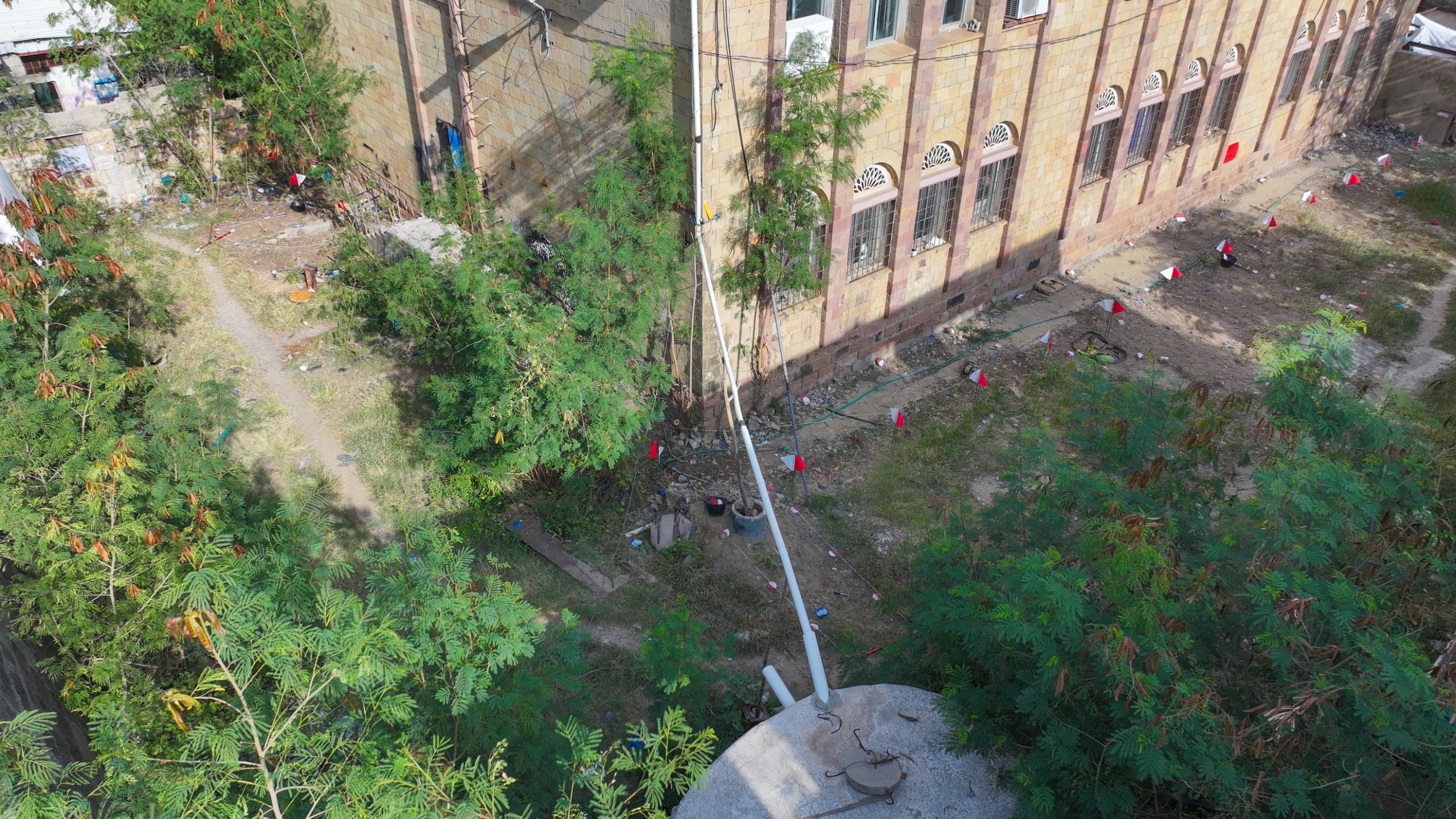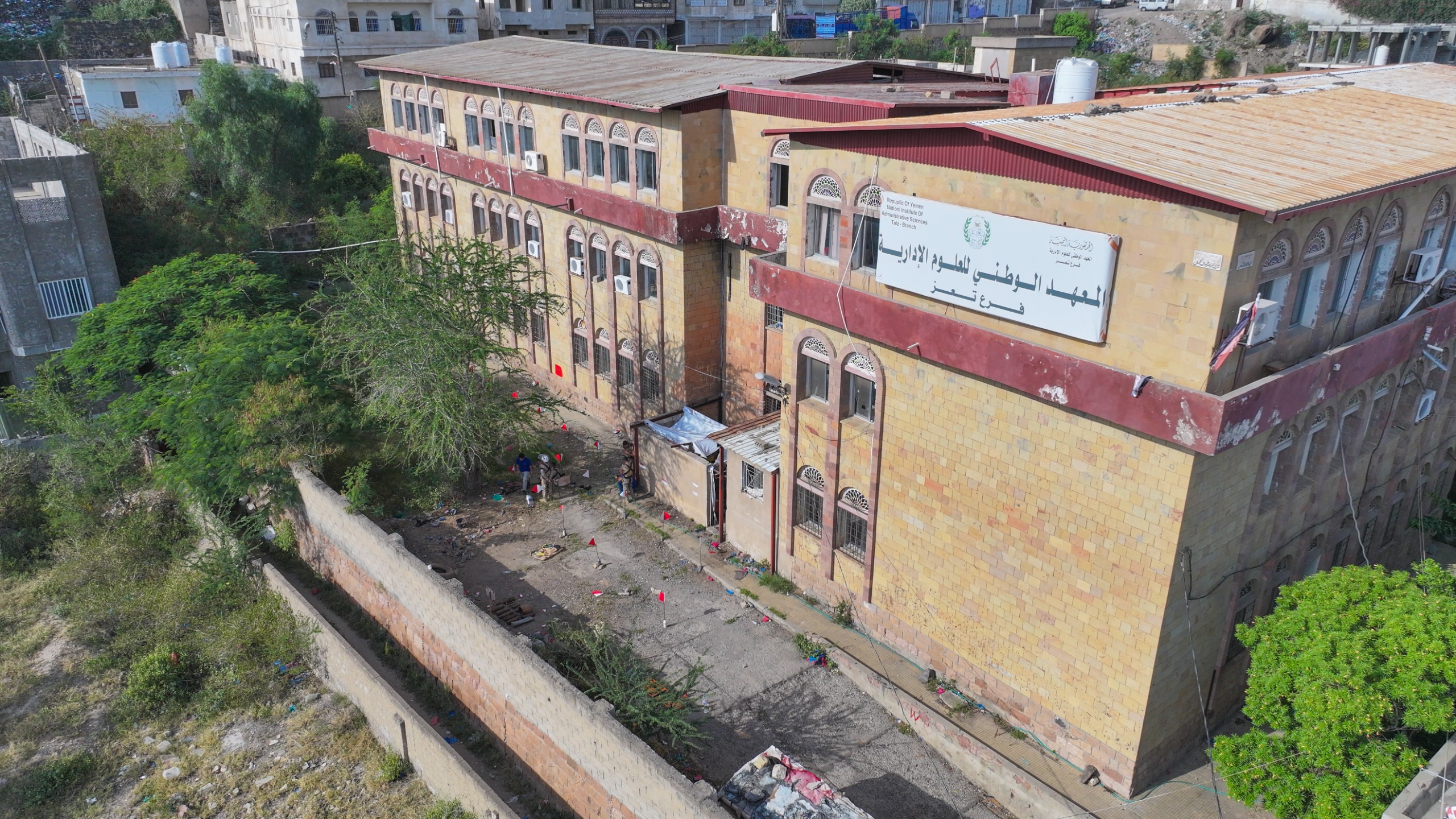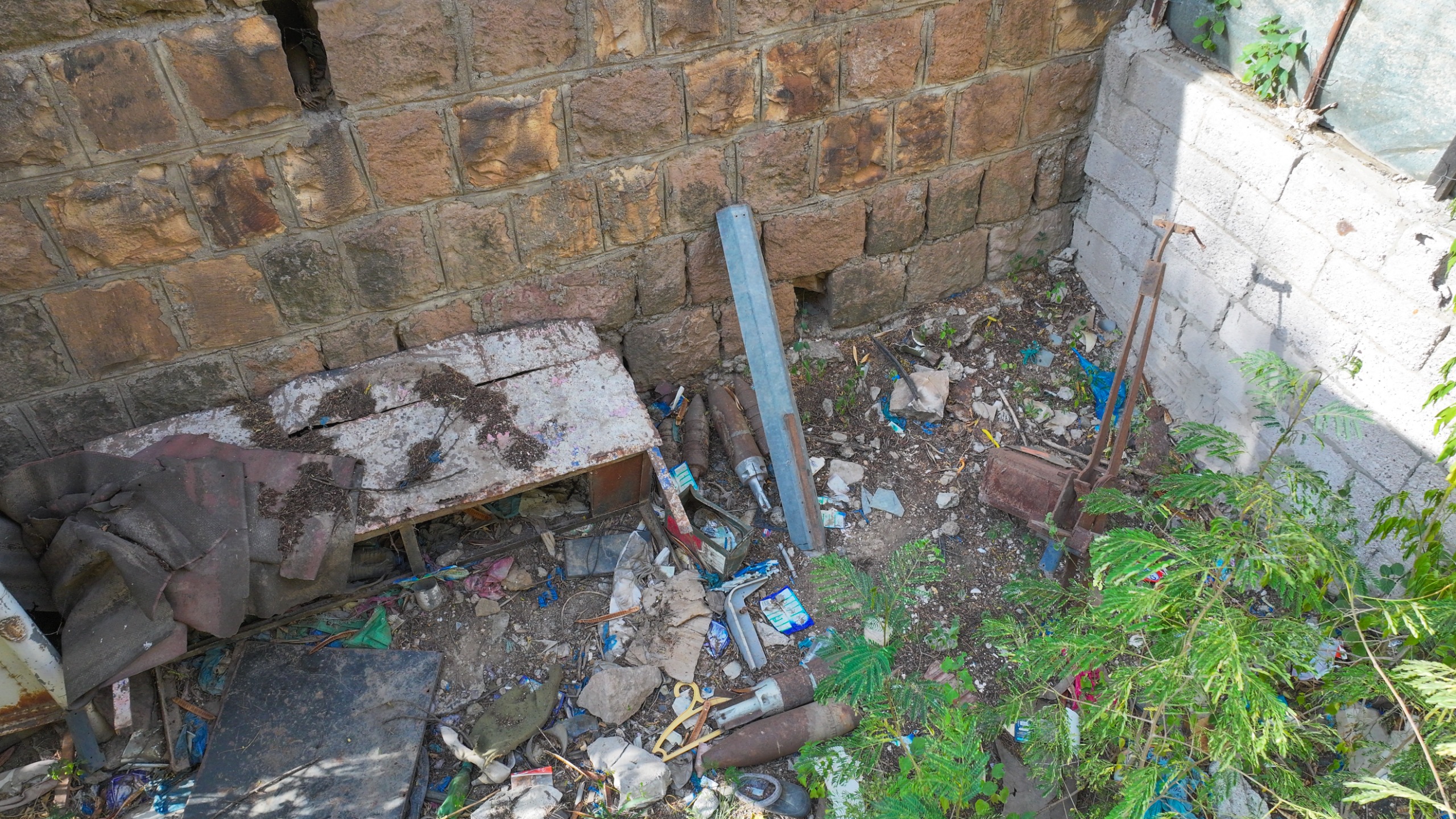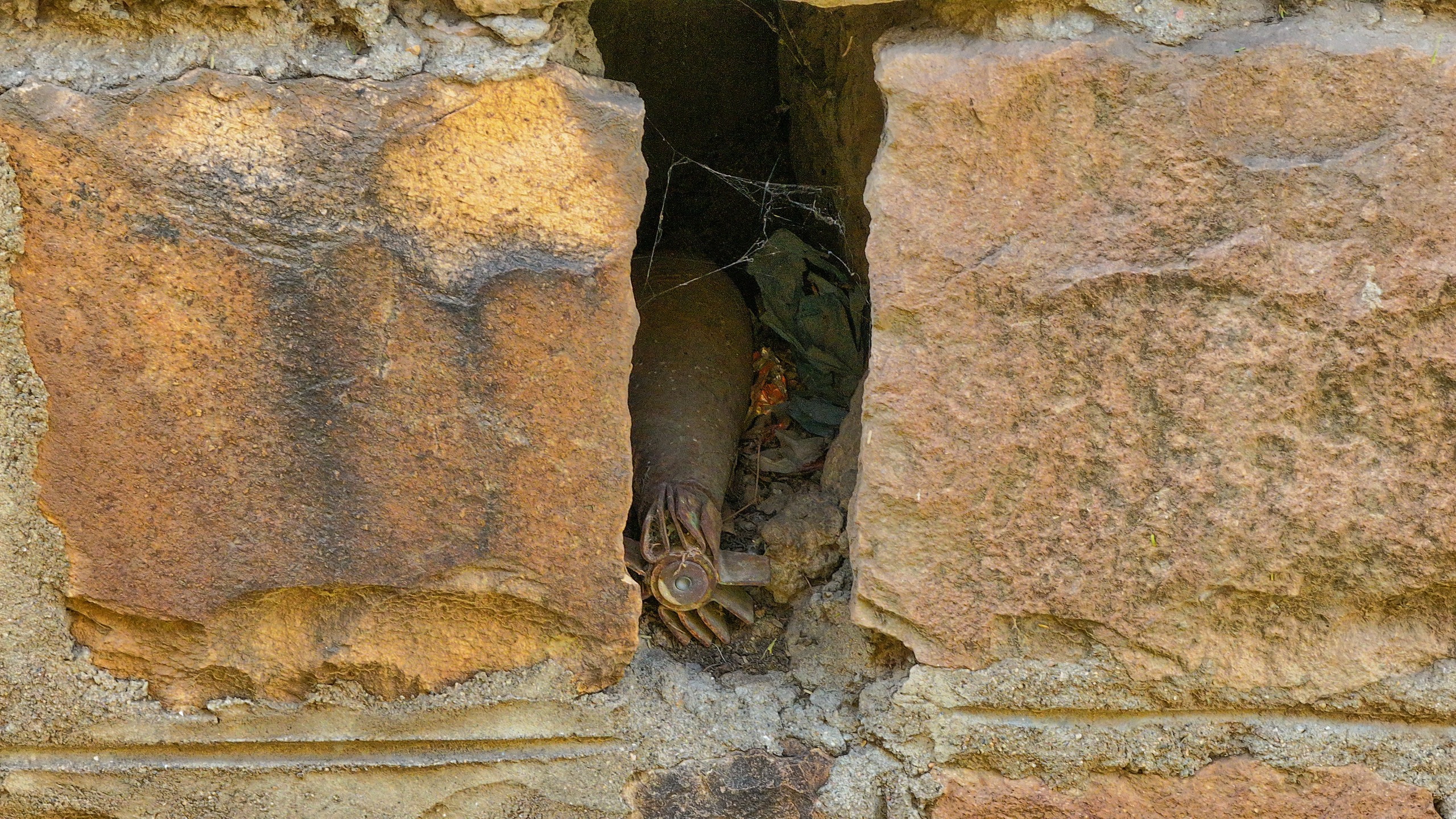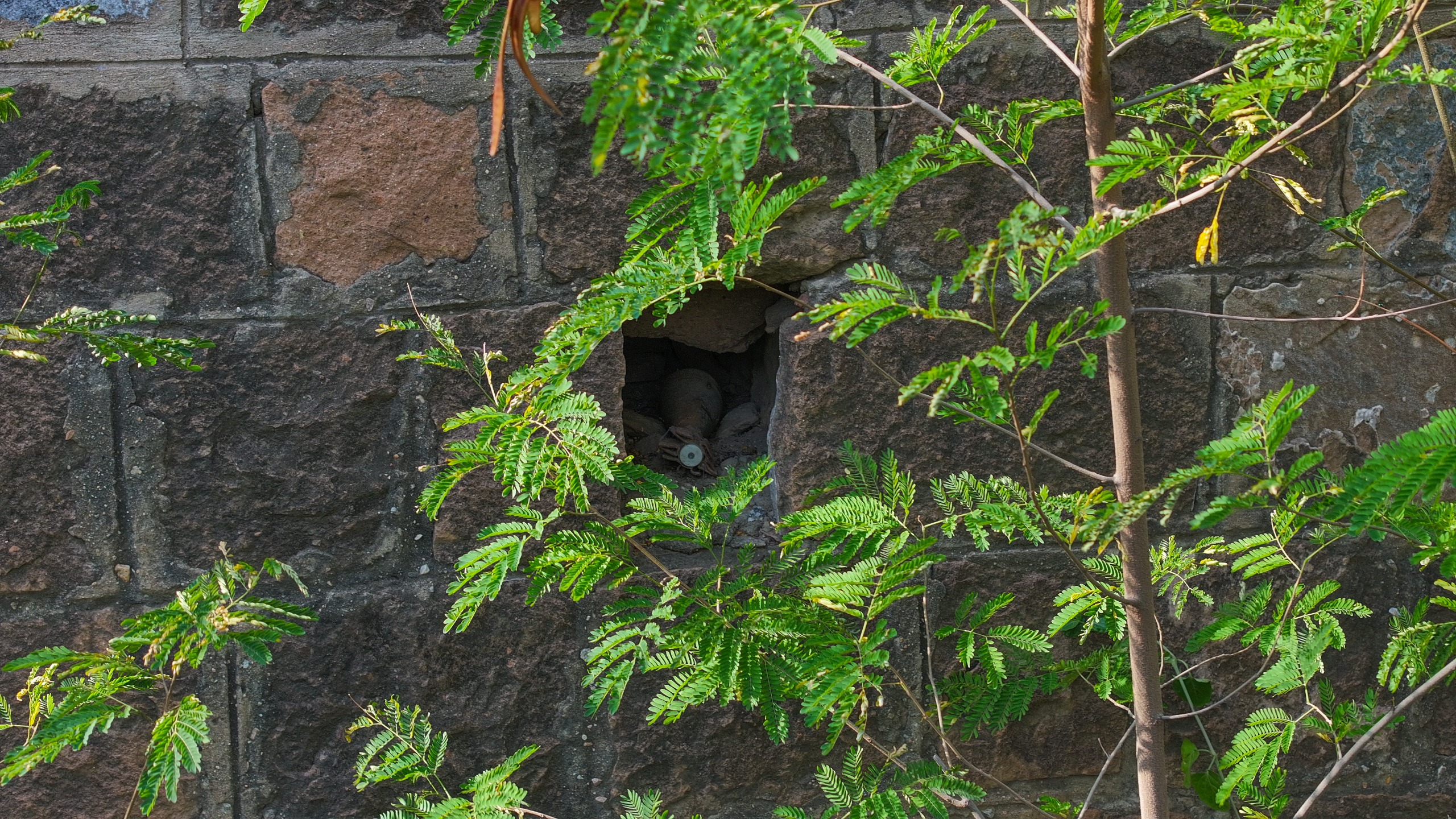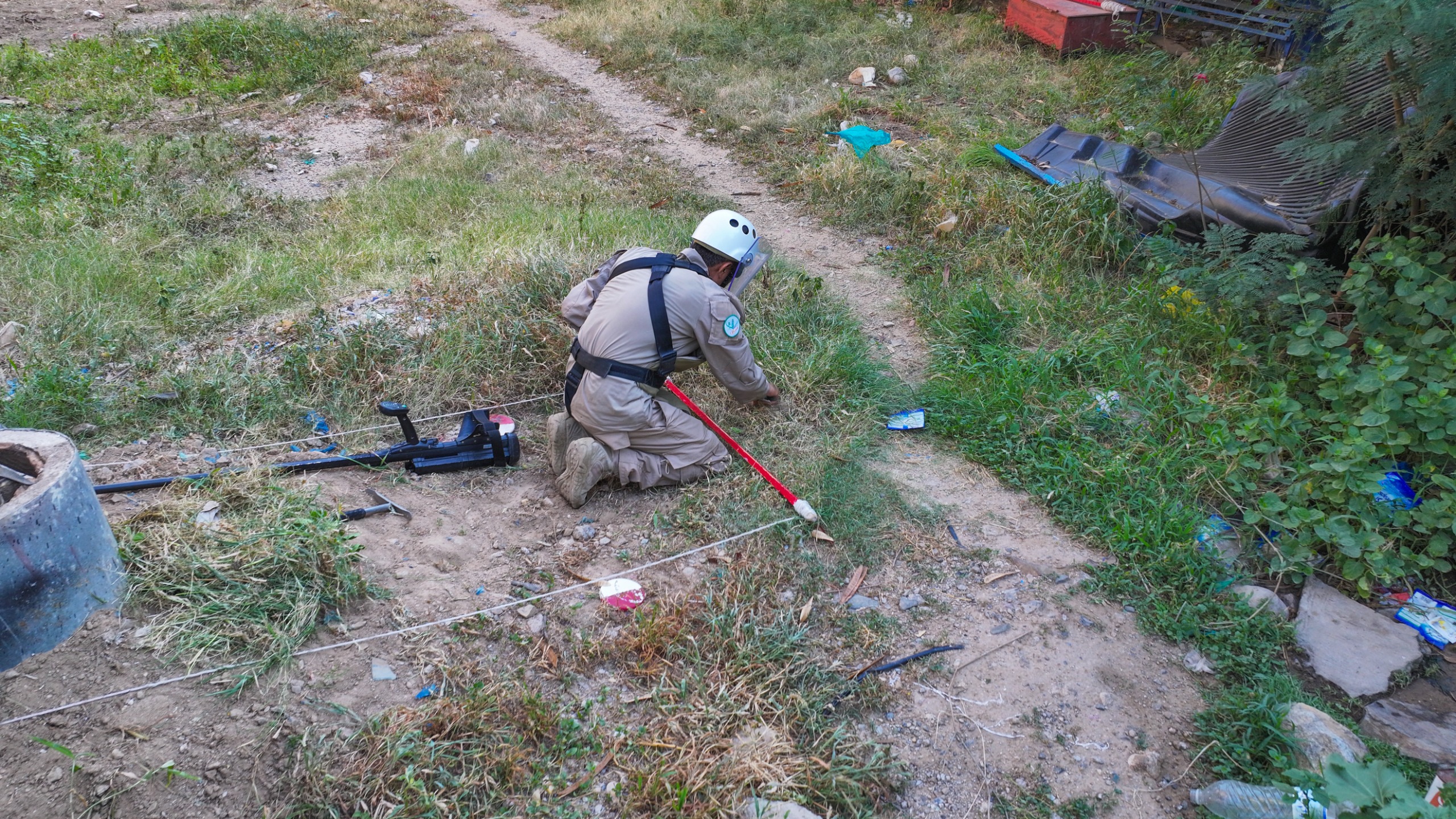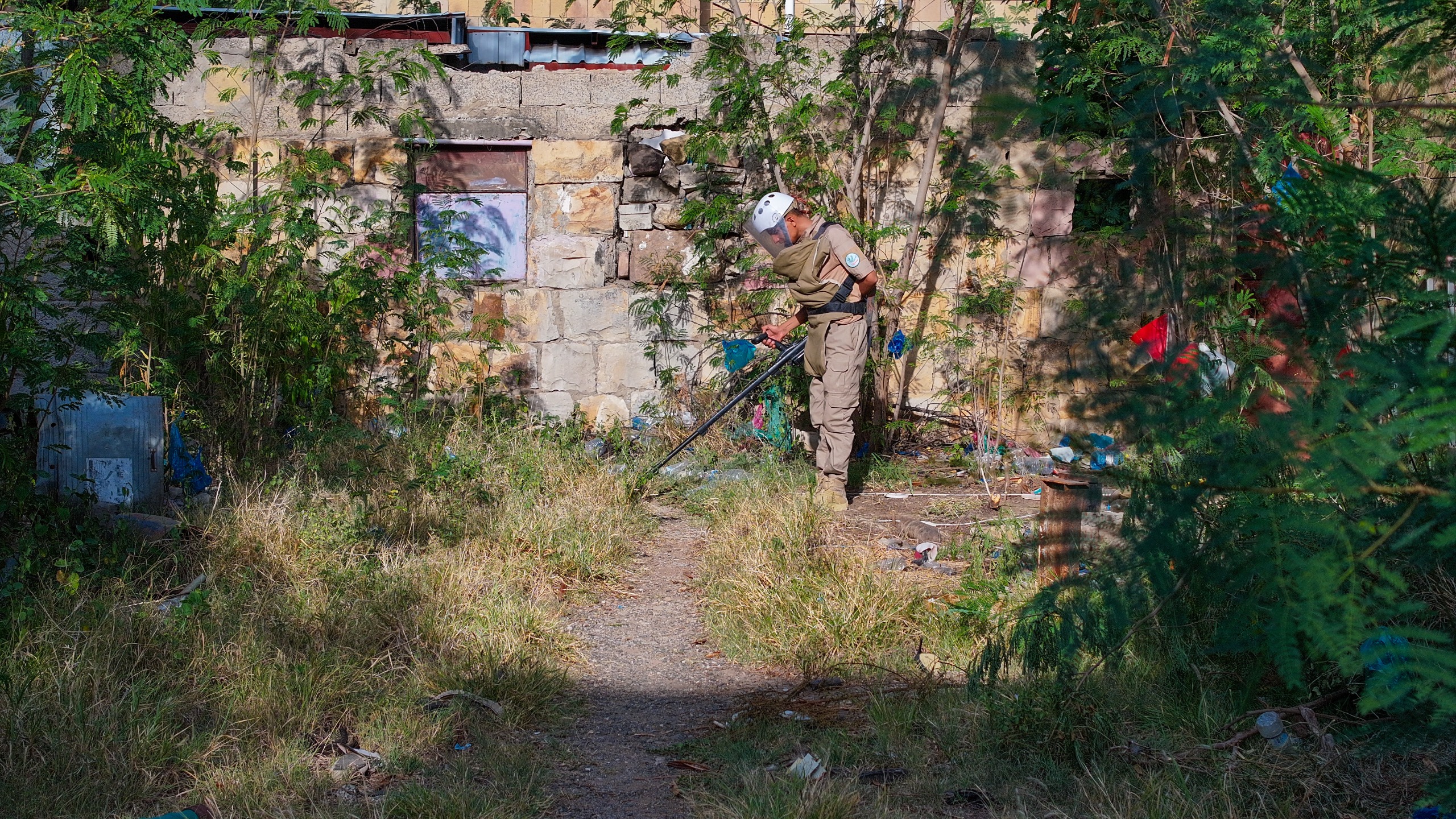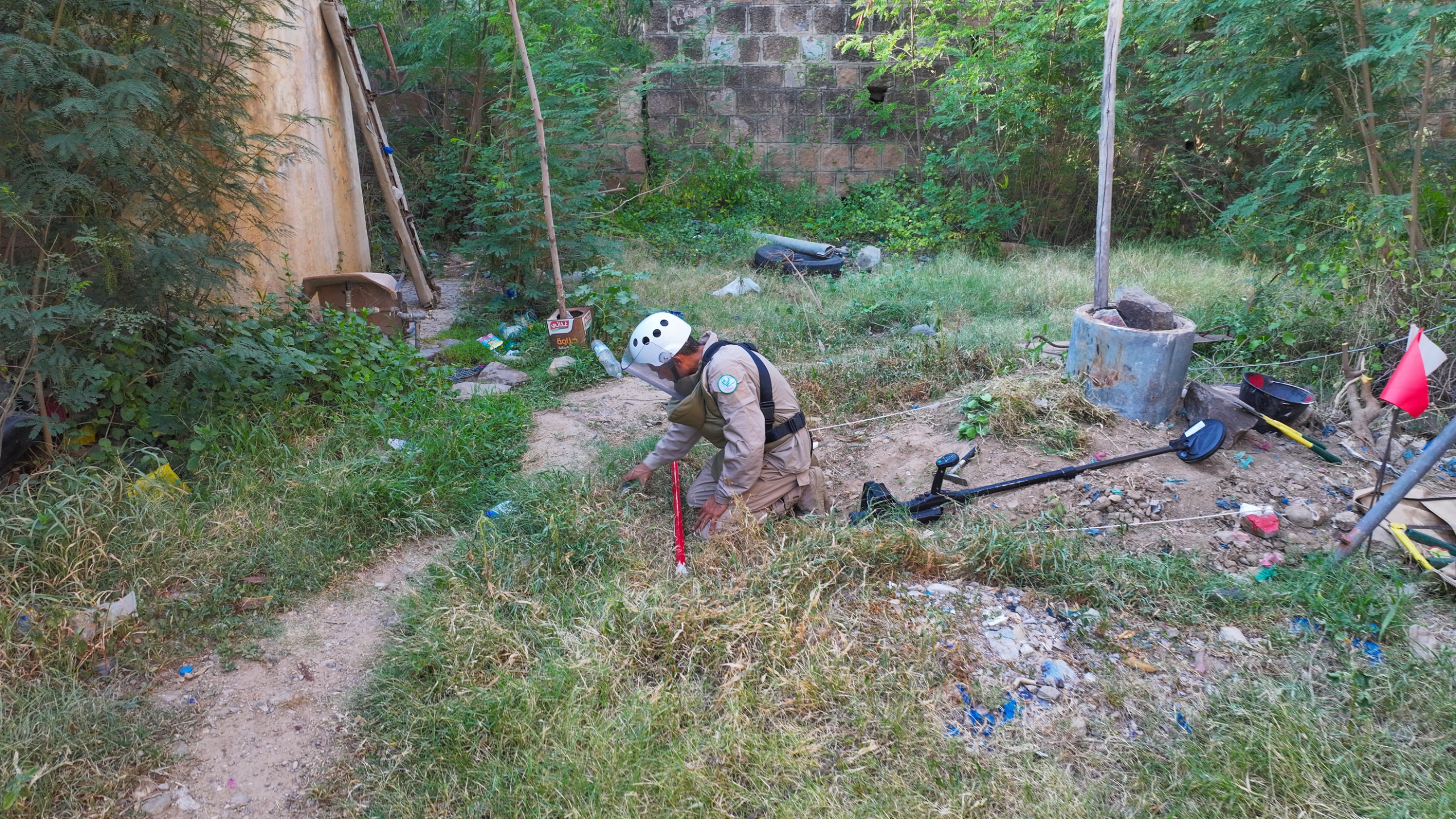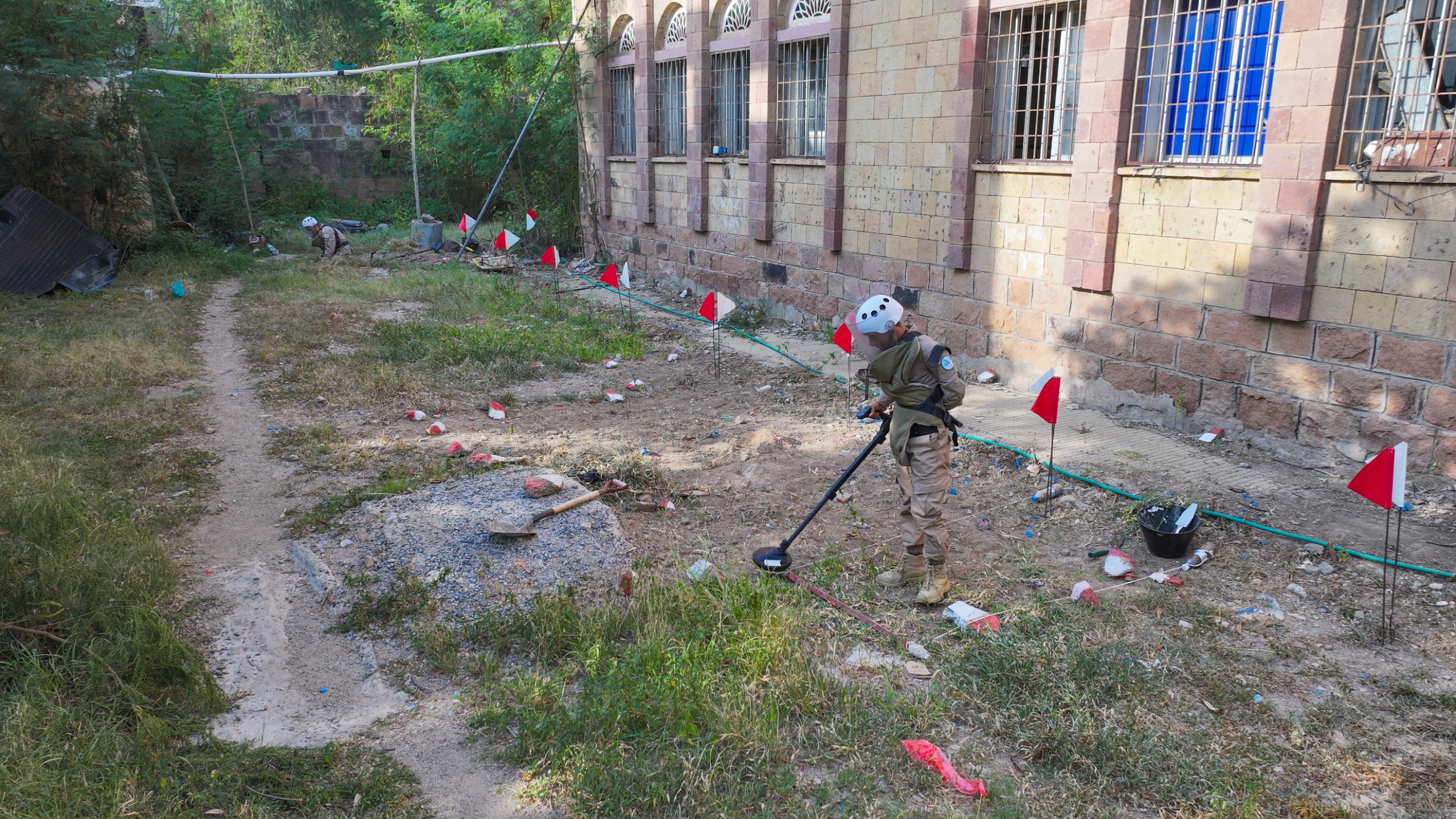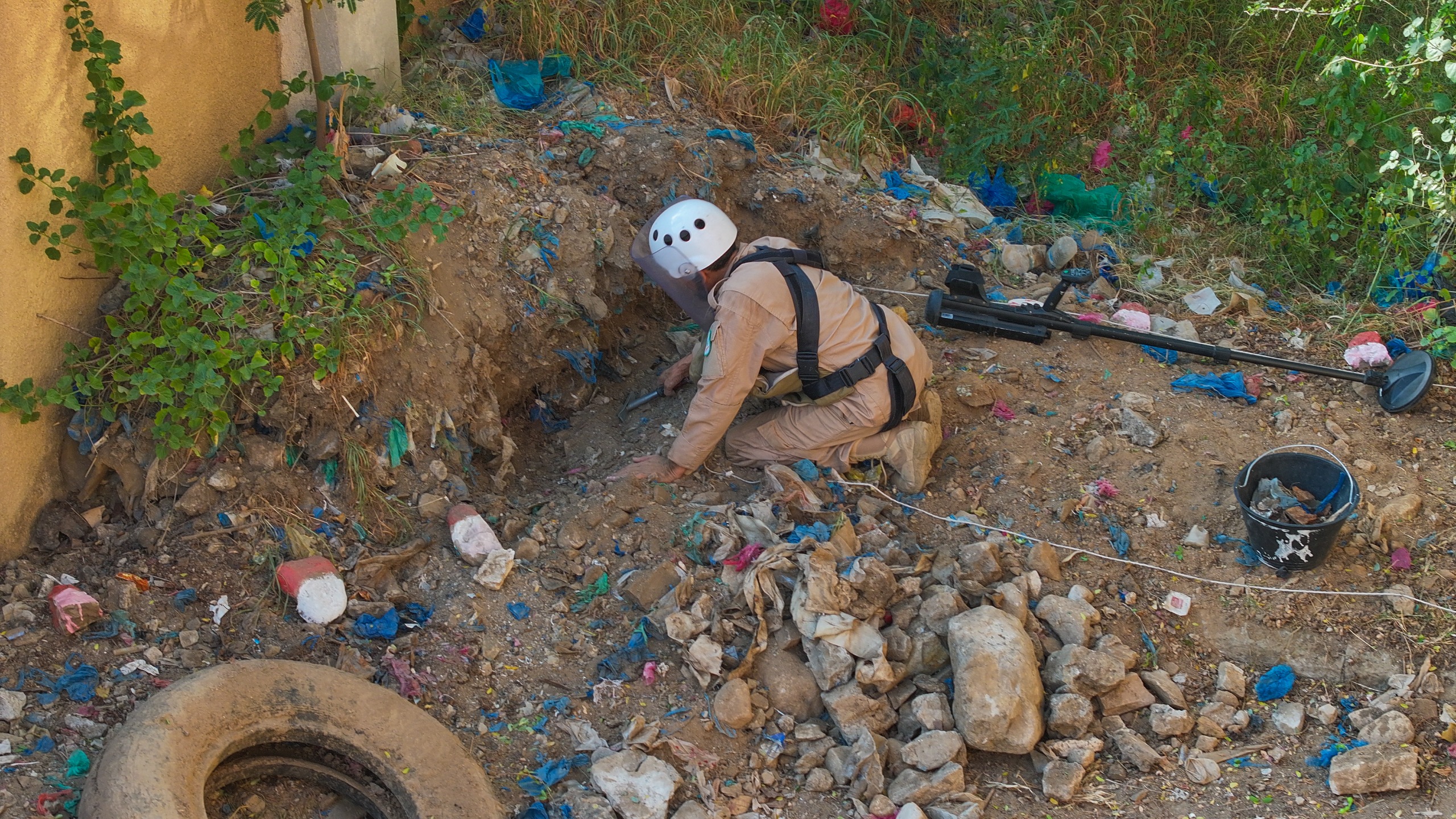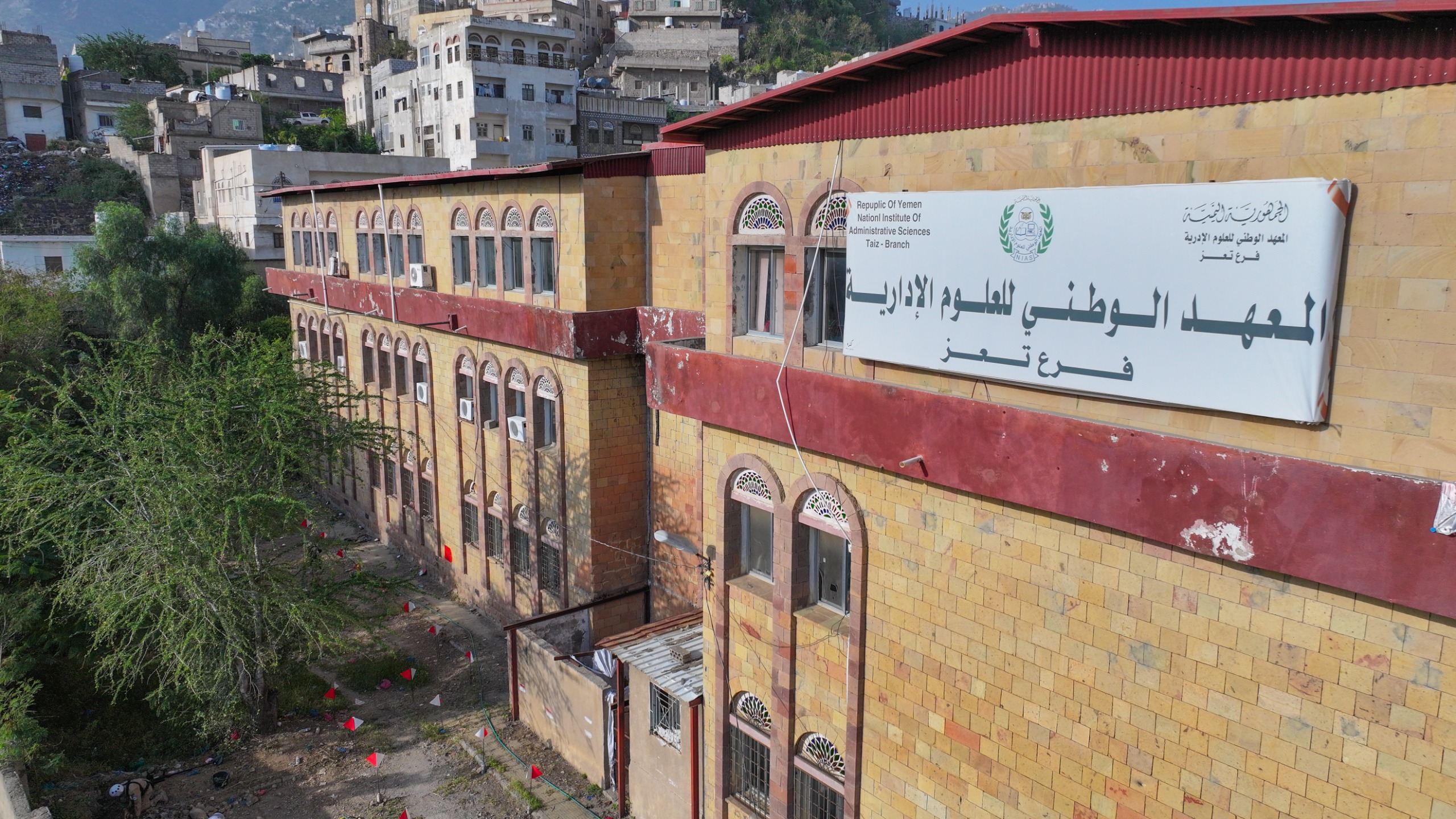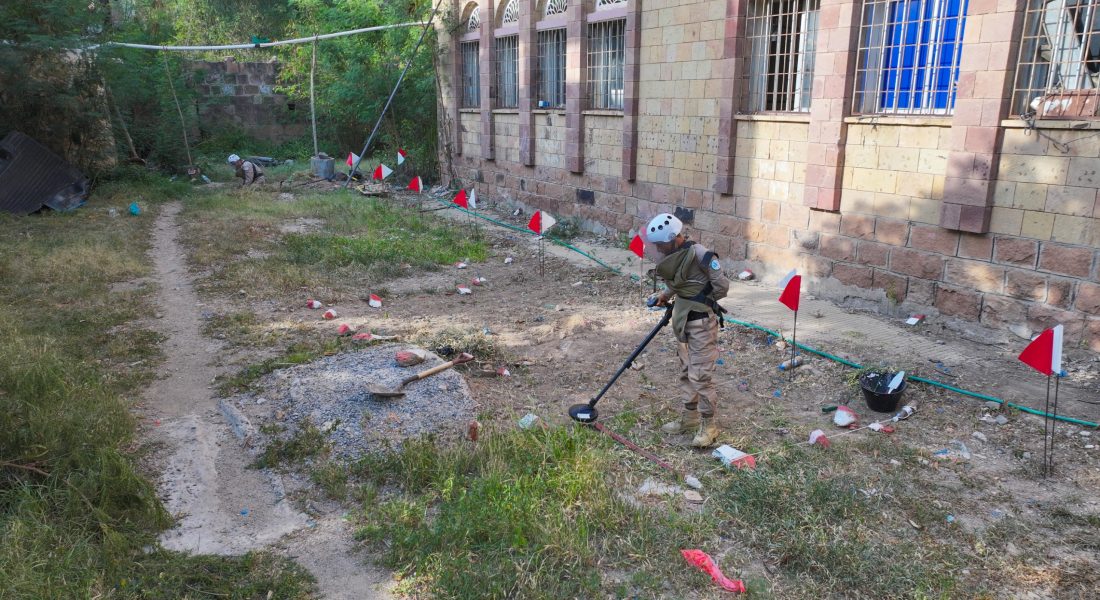
Project Masam Team 33 is continuing clearance operations at the National Institute of Administrative Sciences in Al-Qahirah District, Taiz Governorate, removing explosive remnants of war that have prevented the reopening of the institute’s eastern section and preparing the facility for the full resumption of its educational activities.
The institute ceased operations entirely in 2015 as a result of the war and its aftermath. Although part of the facility reopened in 2024 with limited capacity, the eastern section has remained out of service because of explosive remnants of war.
Team 33 Leader Engineer Alaa Abdo Hassan told Project Masam’s media office that clearance operations began following an official request from the institute’s administration and authorisation from Project Masam management through the Operations Room.
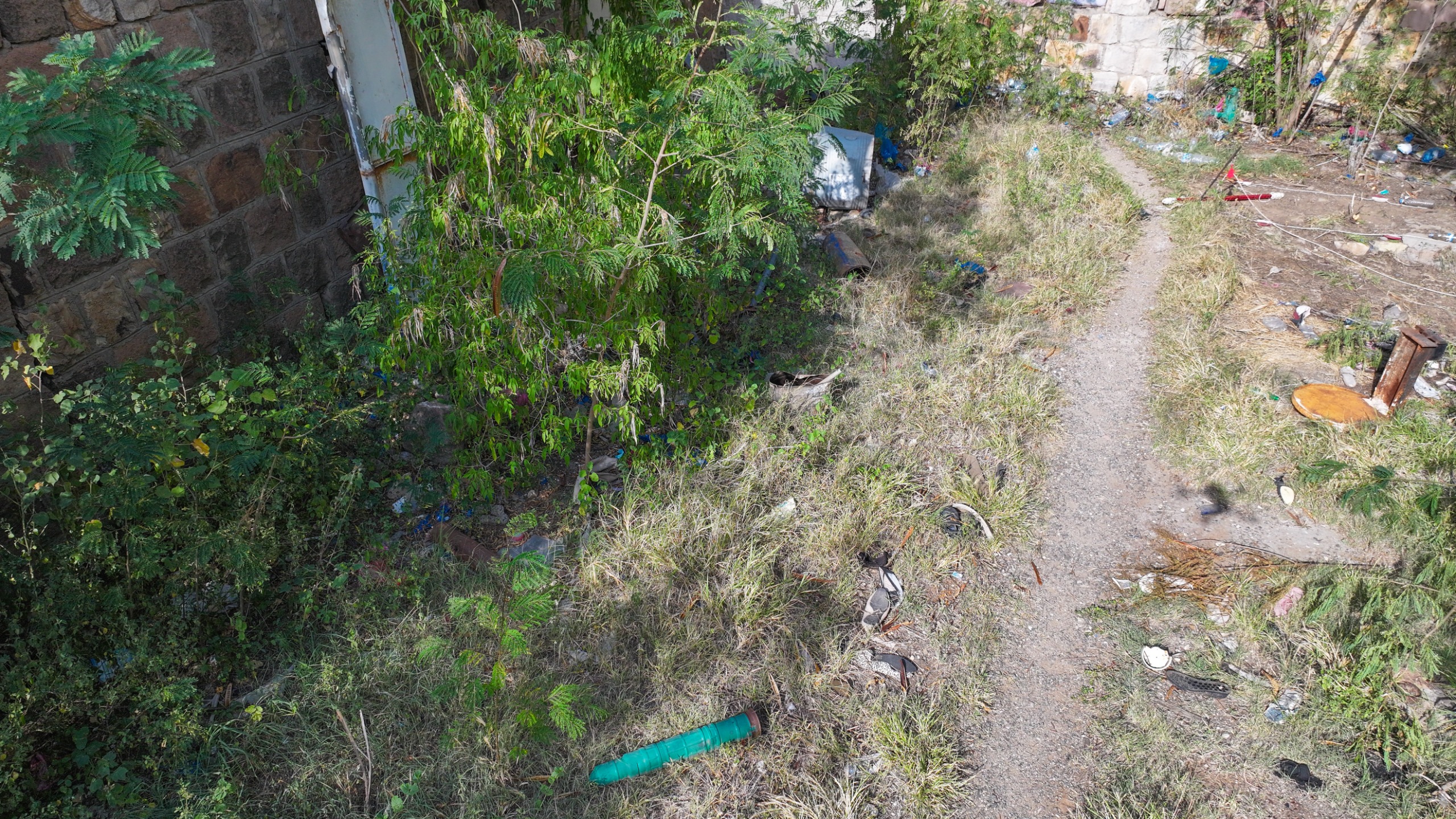
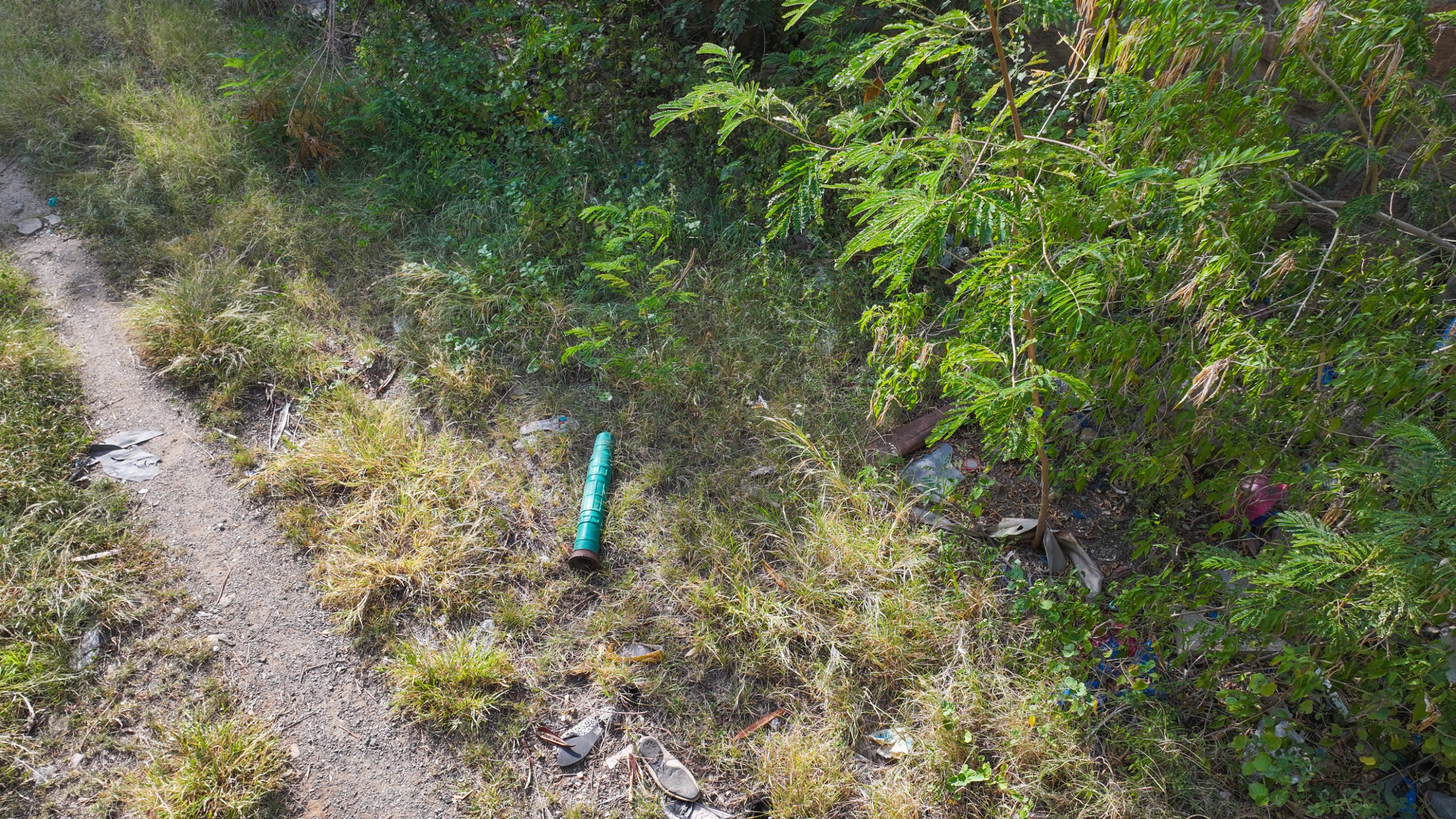
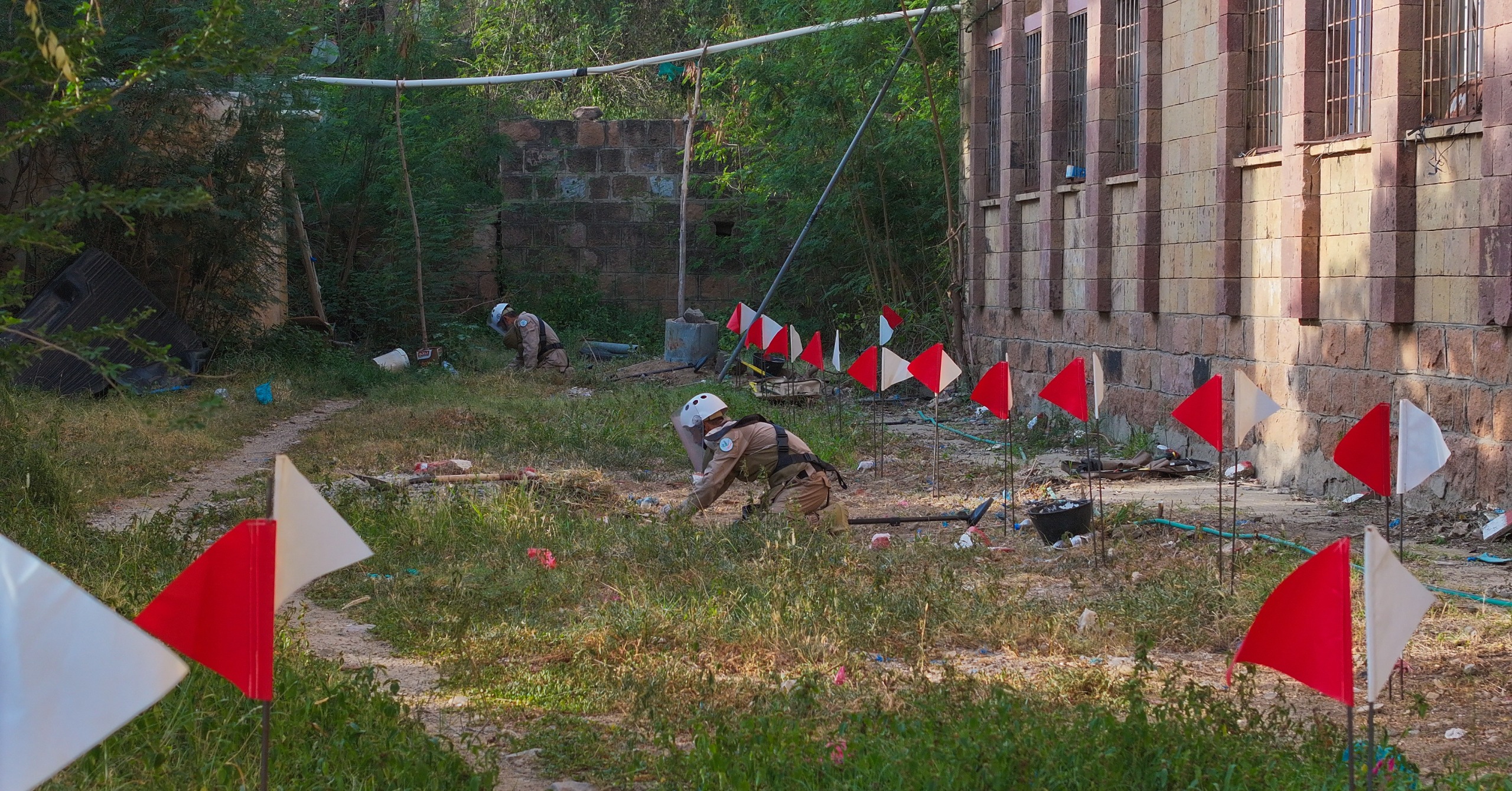
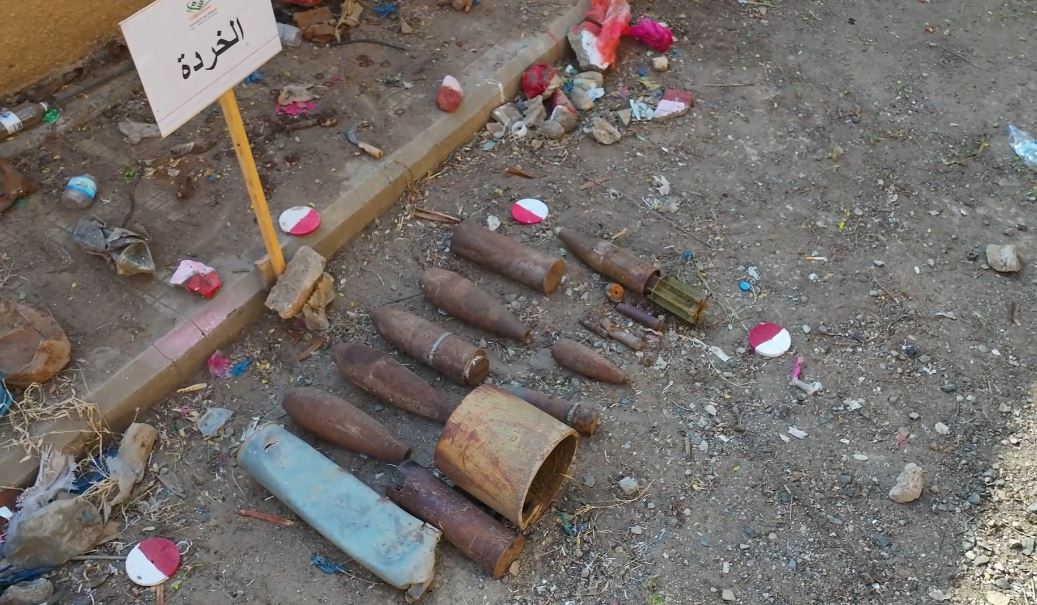
Hassan said the team has been working at the site for seven days, during which approximately 700 square metres have been cleared and eight dangerous items of unexploded ordnance (UXO) located and secured.
Clearance operations are focused on the eastern section of the institute, including courtyards and main classrooms that have remained closed because of the presence of shells and other explosive remnants of war posing a threat to students, staff and other civilians.
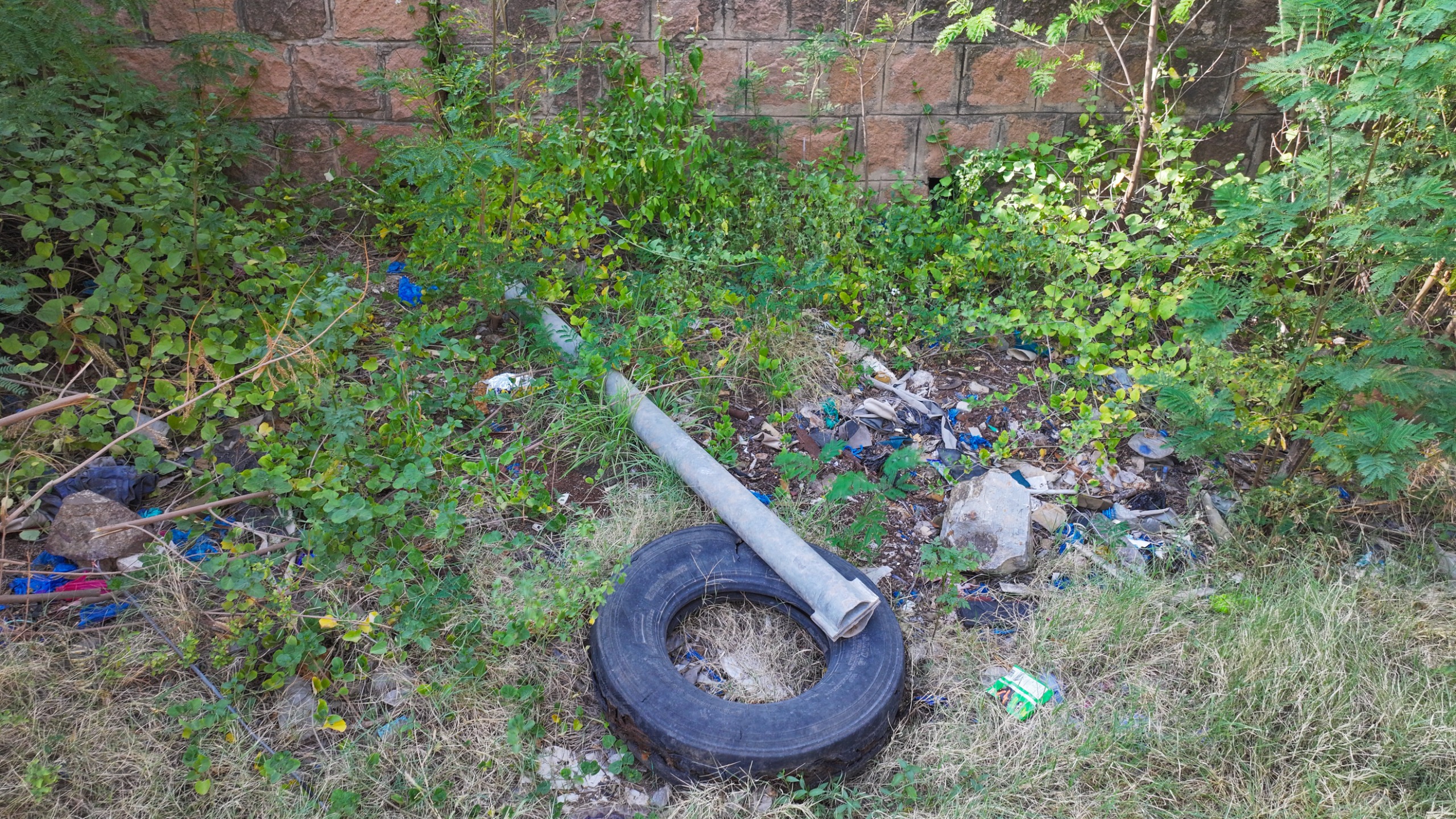
Hassan also highlighted several challenges facing the team in the field, including dense vegetation that has grown following recent rainfall and the widespread presence of cans and other metal debris. Each metallic item must be carefully investigated, slowing the progress of clearance operations.
Acting Director of the Institute Abdul Wasea Ahmed Ali Al-Makhlafi said the facility accommodated approximately 4,000 students before the war, while the number of current applicants does not exceed 120.
He attributed the significant decline to the closure of the institute’s main classrooms, insufficient space for teaching activities, and concerns among students and parents about the presence of explosive remnants of war within the facility.
Al-Makhlafi said the institute’s administration had submitted a request to Project Masam to secure the site and enable the eastern section to reopen. He expressed his appreciation for the project’s prompt response and the start of clearance operations, explaining that completion of the work would allow the administration to reopen the main halls and resume activities on a broader scale.
Clearing the remaining contamination would allow more of the institute to return to educational use and increase the space available to students, helping restore a facility whose capacity and activities have been severely restricted since the conflict began.
The operation forms part of Project Masam’s wider humanitarian efforts to clear educational facilities and access routes affected by explosive contamination. By removing landmines, unexploded ordnance and other explosive remnants of war from schools, institutes and surrounding areas, Project Masam works to restore safer access to education for communities affected by the conflict.