Two civilians were killed and five members of the same family, including three children, were injured after a disguised explosive device detonated in northern Hudaydah Governorate on Monday (3 August), highlighting the continuing threat posed by explosive remnants of war in Yemen.
According to local reports, the incident occurred in the Al Hafi neighbourhood of Al Zaidiyah District, north of Hudaydah city. The explosive device had reportedly been concealed near a storage facility on farmland adjacent to a government complex.
Local human rights activist Mujahid Al-Qub said the device was among military remnants left behind by Houthi forces and had reportedly been stored for later transfer to frontlines along Yemen’s West Coast.
According to the reports, 13-year-old Omar discovered what was described as a disguised explosive device and took it home before it detonated. The explosion killed Abu Al Ghaith Masawi, 51, and Amina Ahmed Ali Abdu, 35.
Omar sustained critical injuries resulting in the amputation of both legs. Four other members of the family, Yarshin, 10, Ali, 24, Mohammed, 22, and Ham, 16, were also injured by the blast, suffering varying degrees of shrapnel wounds.
The use of disguised or camouflaged improvised explosive devices has become a recognised feature of the conflict in Yemen. Humanitarian Mine Action organisations have documented devices concealed within or designed to resemble everyday objects, increasing the risk that civilians, particularly children, may unknowingly handle them. This reinforces the importance of Explosive Ordnance Risk Education, which encourages communities never to touch unfamiliar or suspicious items and to report them to the relevant authorities.
The incident is the latest in a series of civilian casualties caused by explosive hazards in Hudaydah Governorate, where years of conflict have left extensive contamination. Al Zaidiyah District remains under Houthi control, while other parts of Hudaydah Governorate are under the control of the internationally recognised Government of Yemen, reflecting the governorate’s divided security situation.
According to the United Nations, Yemen remains one of the world’s most contaminated countries by landmines and explosive remnants of war. Reports by the United Nations, UNMAS and humanitarian organisations have consistently identified landmines and other explosive hazards as one of the leading causes of civilian casualties in the country, with children among those most affected.
The tragedy also highlights the continuing importance of Explosive Ordnance Risk Education (EORE). Children are particularly vulnerable to unfamiliar or abandoned military items, especially when explosive hazards resemble discarded objects or are found in places where civilians live, work or play. Risk education helps communities recognise potential hazards, avoid handling suspicious items and report them safely to the relevant authorities.
While humanitarian Mine Action organisations continue to clear contaminated land where access is possible, explosive hazards remain a daily threat in many areas of Yemen that have yet to be surveyed and cleared.
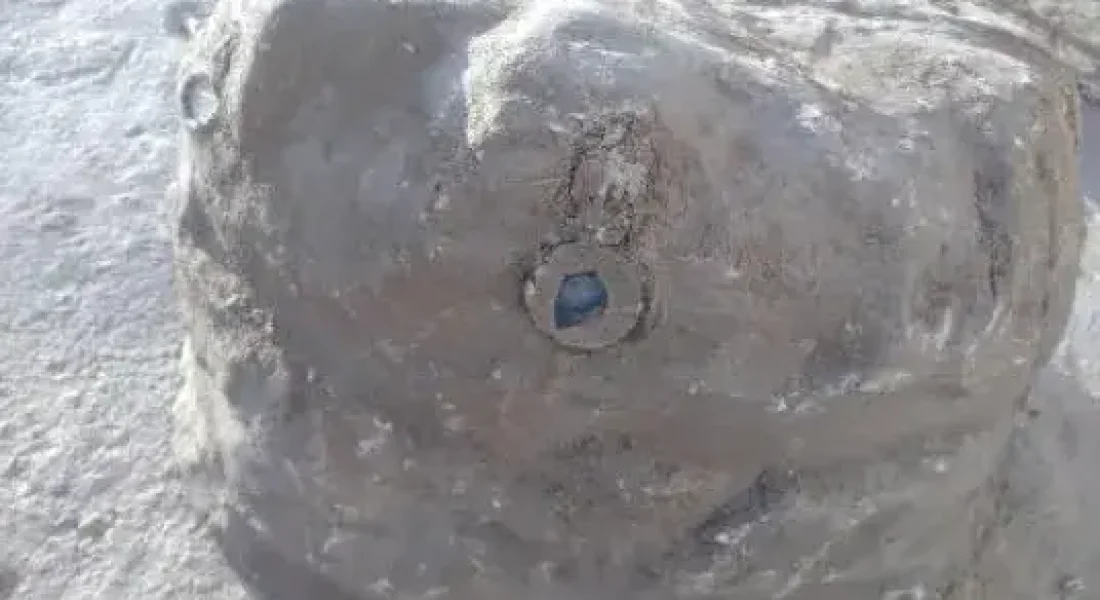
The accompanying image is for illustrative purposes only and does not show the explosive device or the location referred to in this article.