Four members of the same family were killed and six others injured after a civilian vehicle struck a landmine in western Yemen, highlighting the continuing threat posed by landmines and explosive remnants of war to communities across the country.
According to local reports, the incident occurred in Al Tuhayta District, southern Hudaydah Governorate, when the vehicle detonated a landmine while travelling through the area. Four members of the family were killed at the scene and six others sustained injuries, several of them seriously. The identities of the victims have not been released.
Al Tuhayta District remains divided between Houthi and internationally recognised government controlled areas, where years of frontline fighting have left communities living alongside extensive landmine contamination.
The latest tragedy is another reminder that landmines and other explosive hazards continue to claim civilian lives years after they were laid. Families travelling between communities, farmers accessing agricultural land and herders moving livestock remain among those most exposed to contamination.
Hudaydah Governorate has experienced extensive contamination during years of conflict. While Project Masam conducts humanitarian Mine Action activities in the governorate’s liberated areas, large parts of Hudaydah remain outside the control of the internationally recognised Government of Yemen, limiting humanitarian access and clearance operations.
According to the United Nations (UN), Yemen remains one of the world’s most contaminated countries by landmines and explosive remnants of war. Humanitarian organisations estimate that between one and two million landmines were laid during the conflict, creating long term risks for civilians, restricting livelihoods and delaying recovery across affected communities. Reports by the UN, its Mine Action Service (UNMAS) and Save the Children have consistently attributed the widespread use of anti-personnel landmines in the current conflict to the Houthis, with children among the groups most affected by resulting casualties. For instance, the latter found that more children were killed by landmines and other UXOs in first half of this year than all of 2025.
This latest incident has also renewed calls to strengthen public awareness of the dangers posed by landmines and unexploded ordnance. Humanitarian organisations and local monitors have stressed that community awareness remains an essential component of civilian protection, particularly in areas where contamination persists and access to clearance is limited. Increasing understanding of explosive hazards can help reduce risky behaviour and encourage the reporting of suspected hazardous items to the relevant authorities.
Explosive Ordnance Risk Education (EORE) forms a key pillar of humanitarian Mine Action. Alongside land clearance, it helps communities recognise explosive hazards, adopt safer behaviours and reduce the likelihood of further accidents while contamination remains.
As long as contaminated land remains inaccessible for clearance, civilians will continue to face the daily risk posed by landmines and other explosive remnants of war, with devastating consequences for families and communities across Yemen.
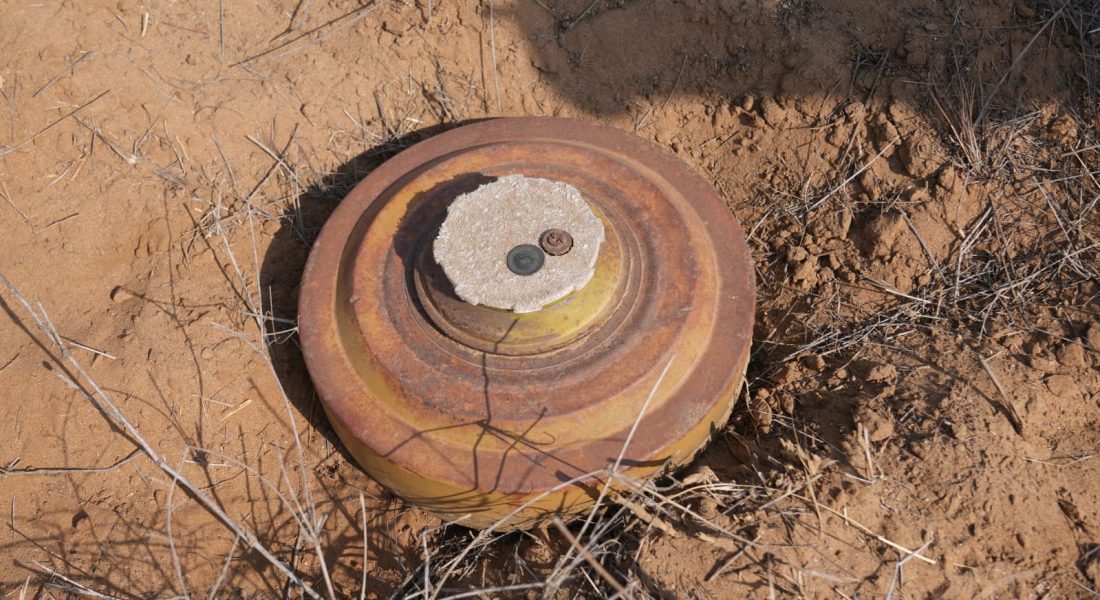
The accompanying photograph shows a representative anti-tank landmine and is used for illustrative purposes only. It does not depict the device involved in this incident or the location where it occurred.