Project Masam has intensified its Explosive Ordnance Risk Education (EORE) activities in Midi District, northern Hajjah Governorate, following the recent discovery of minefields near populated areas and agricultural land.
The activities aim to increase awareness among civilians living and working in contaminated areas and reduce the risk of accidents involving landmines, unexploded ordnance (UXO), improvised explosive devices (IEDs) and other explosive remnants of war (ERW).
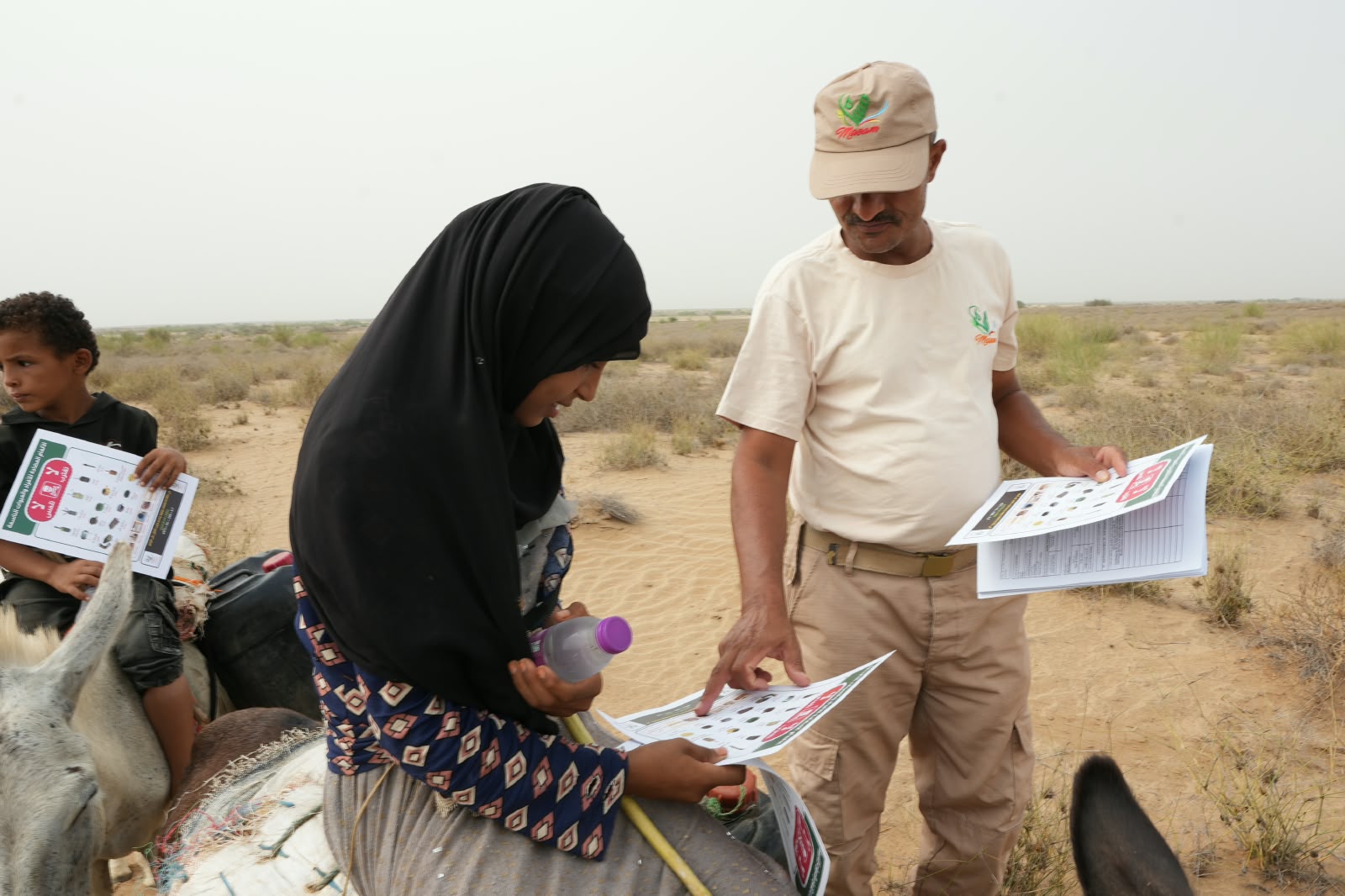
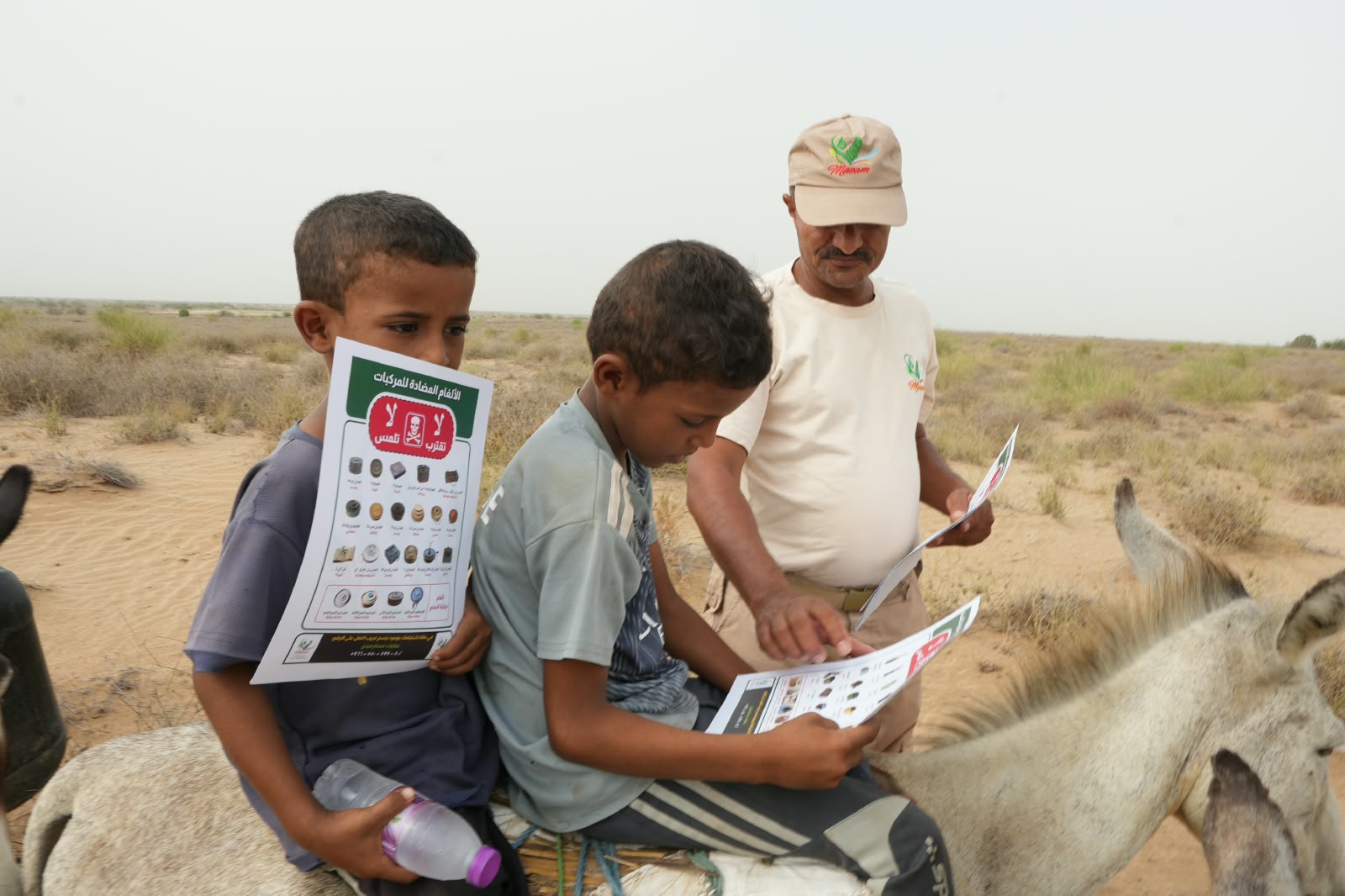
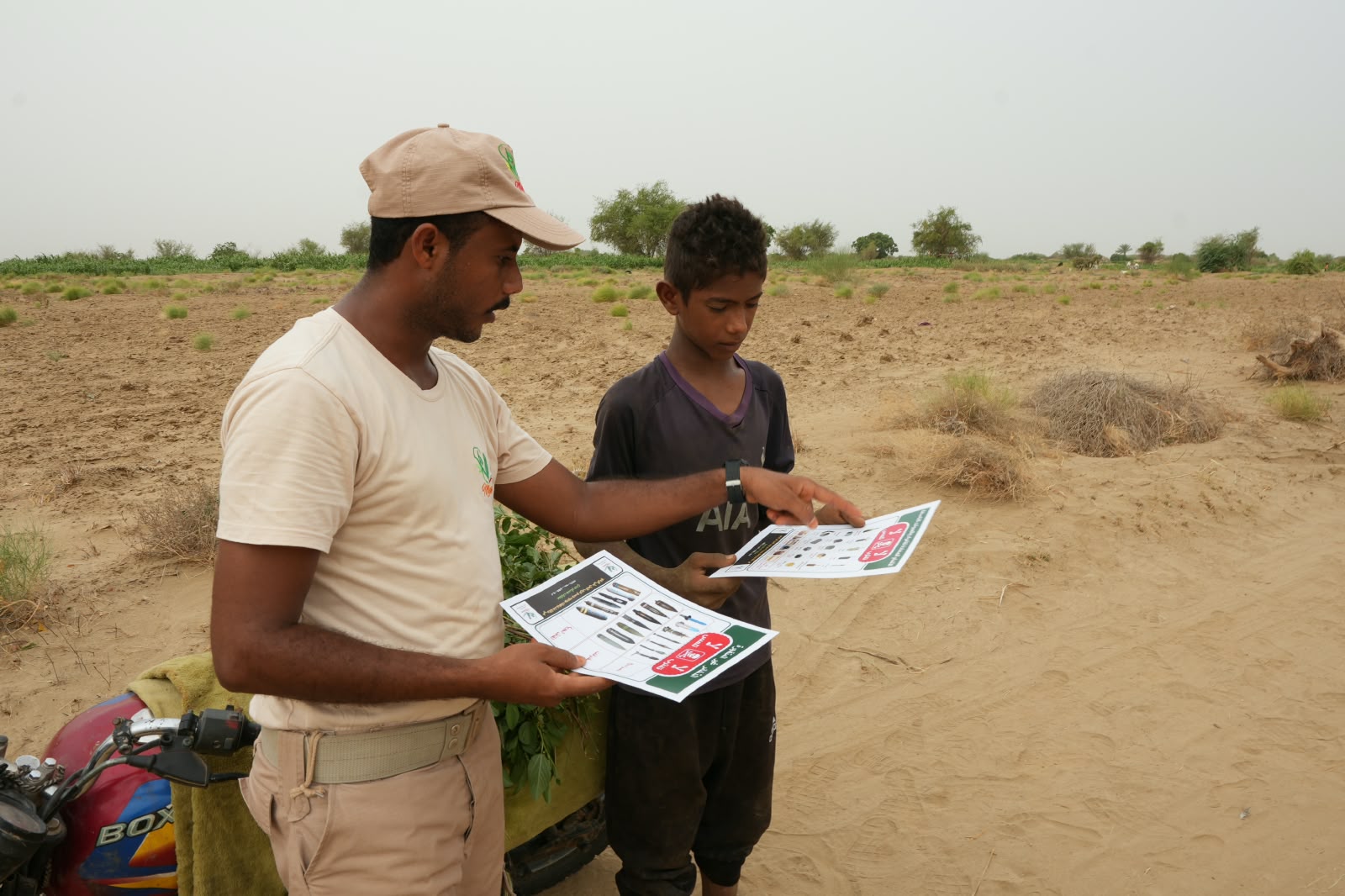
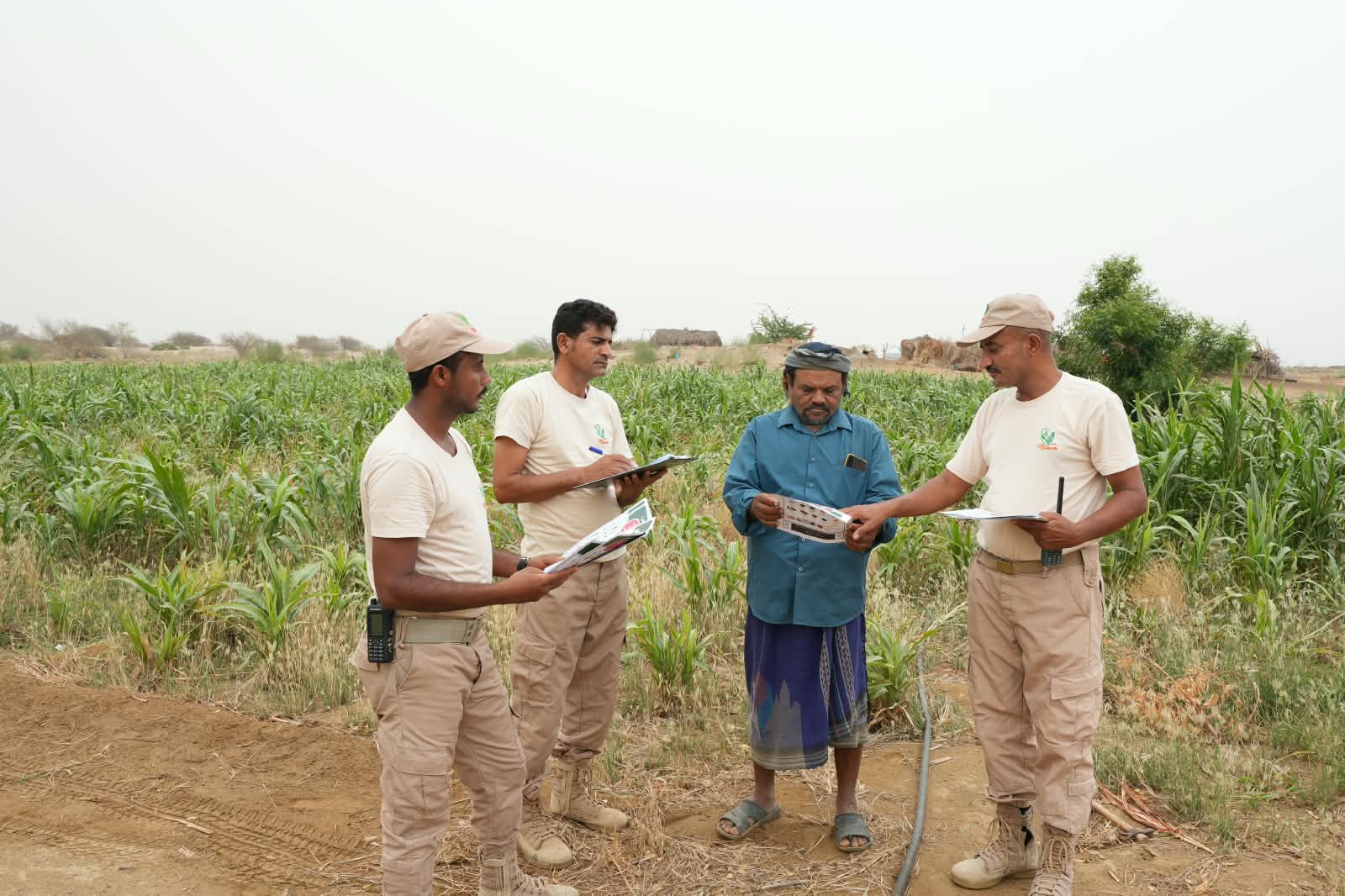
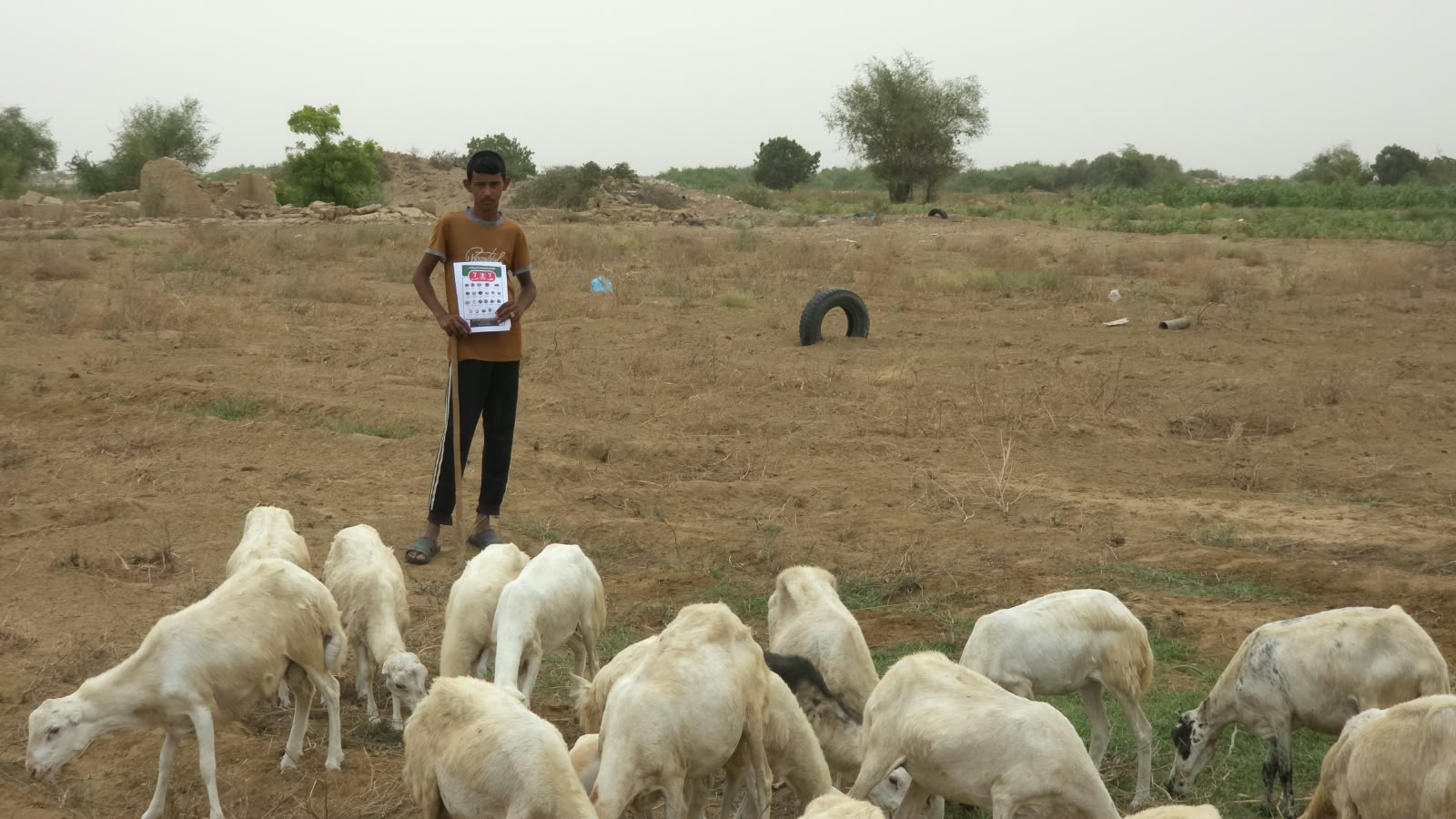
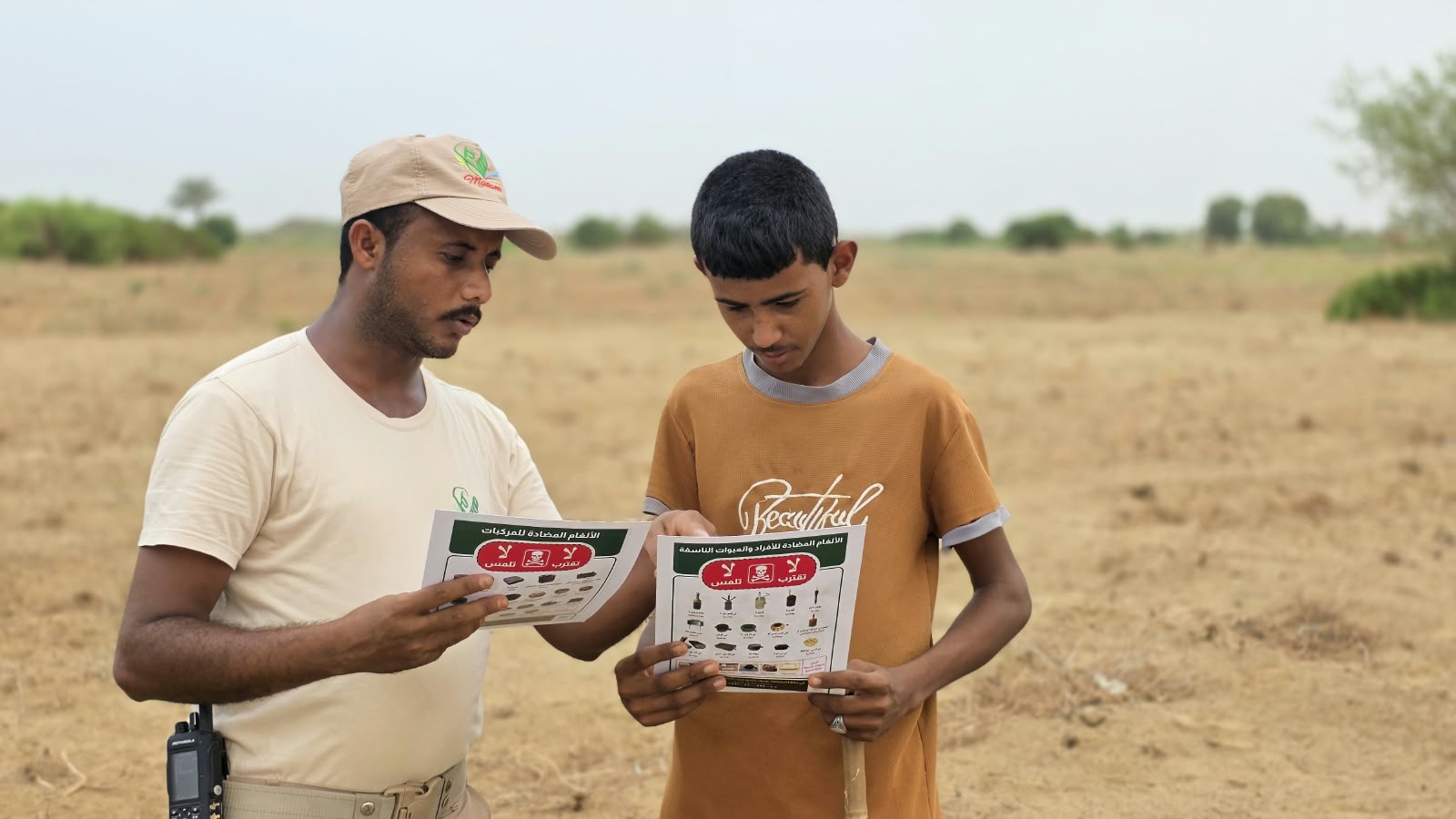
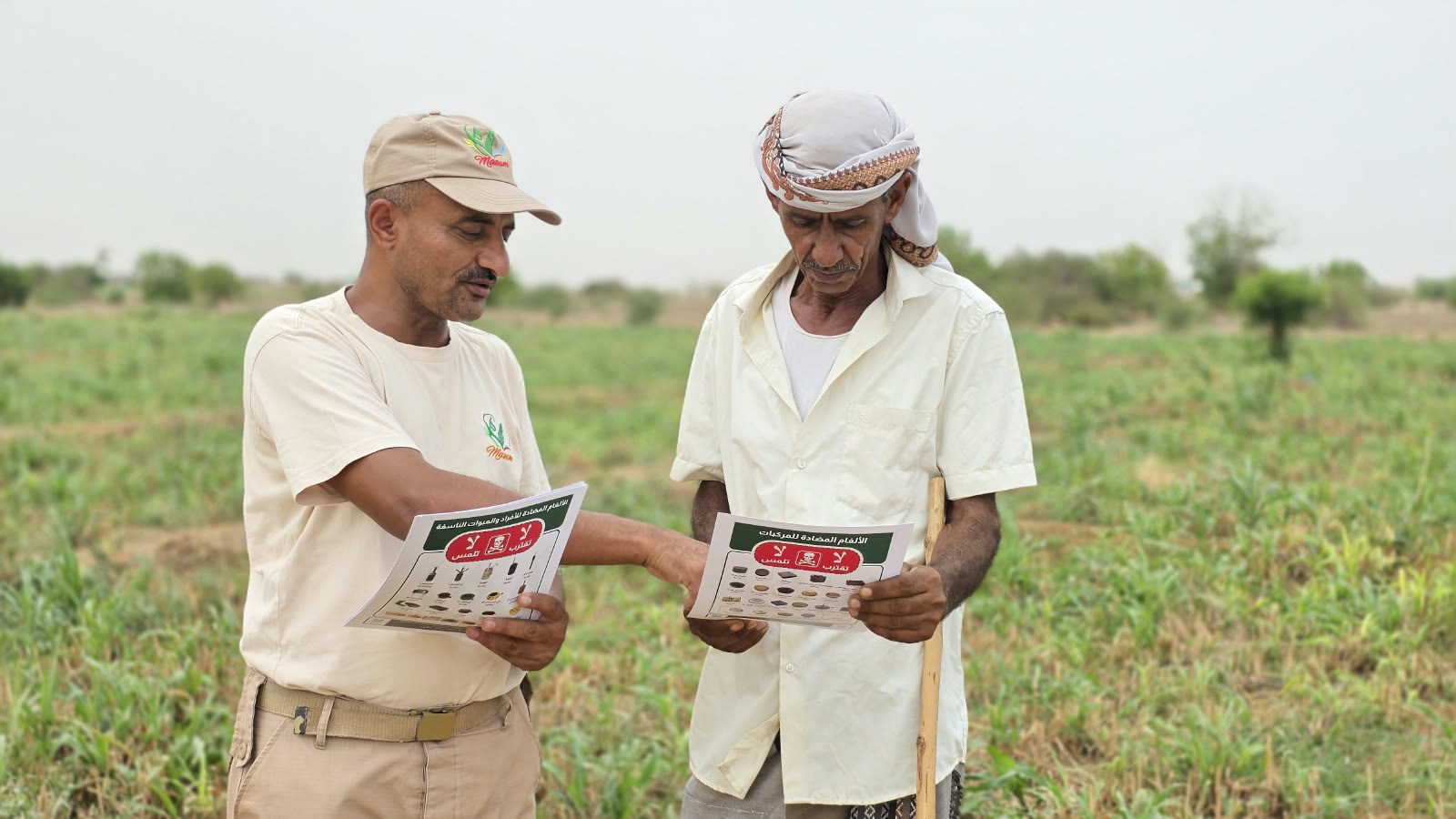
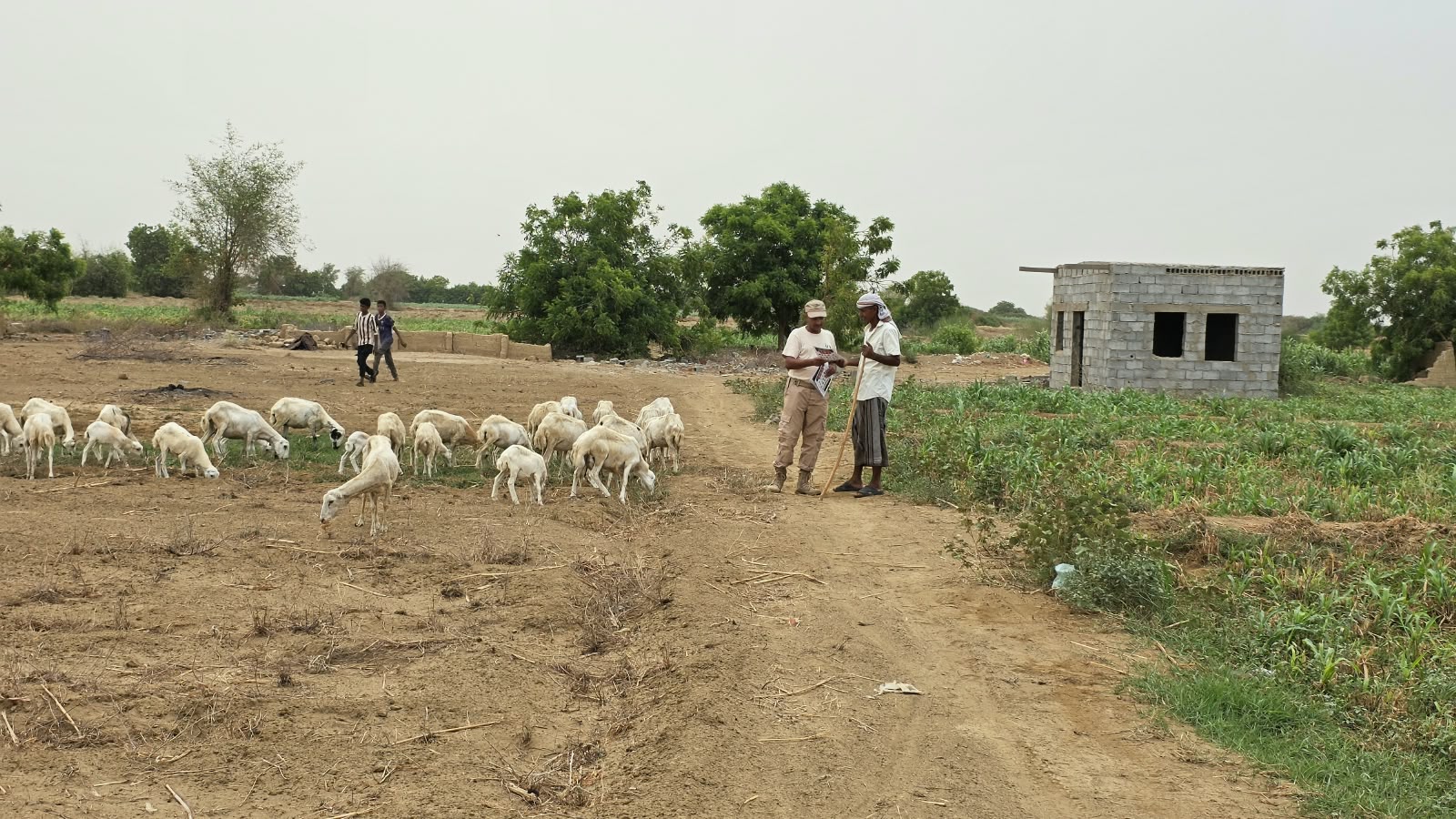
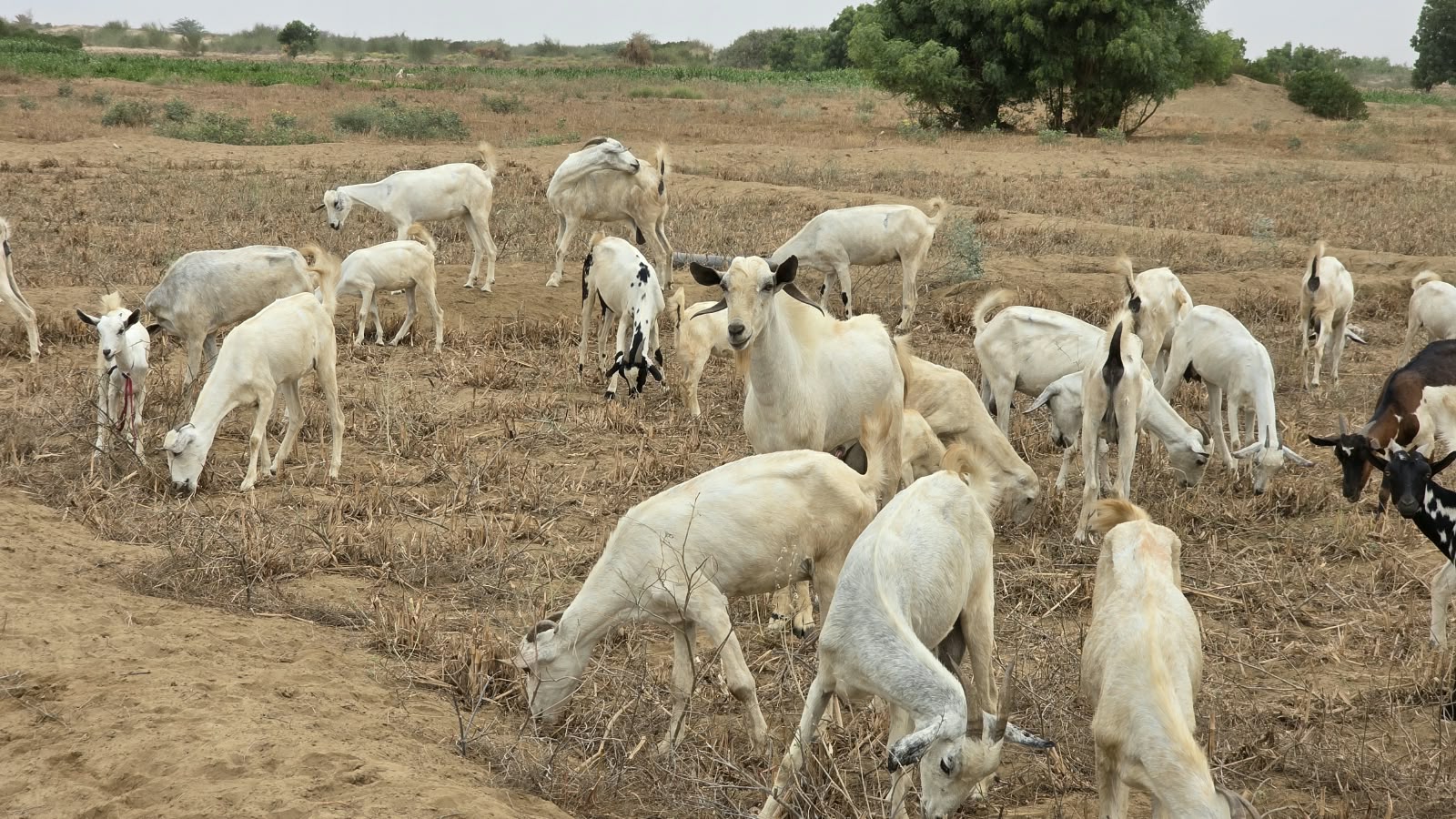
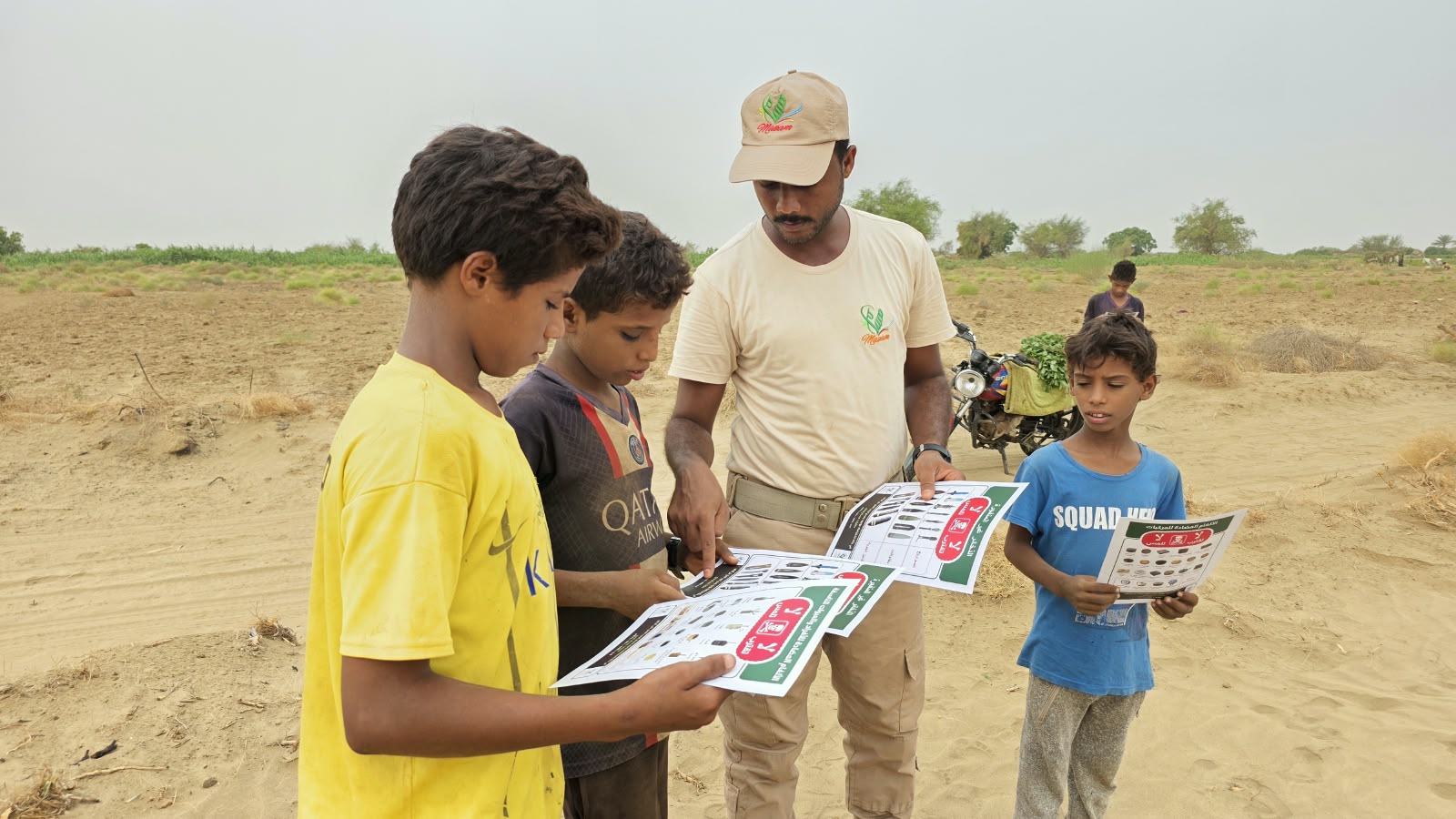
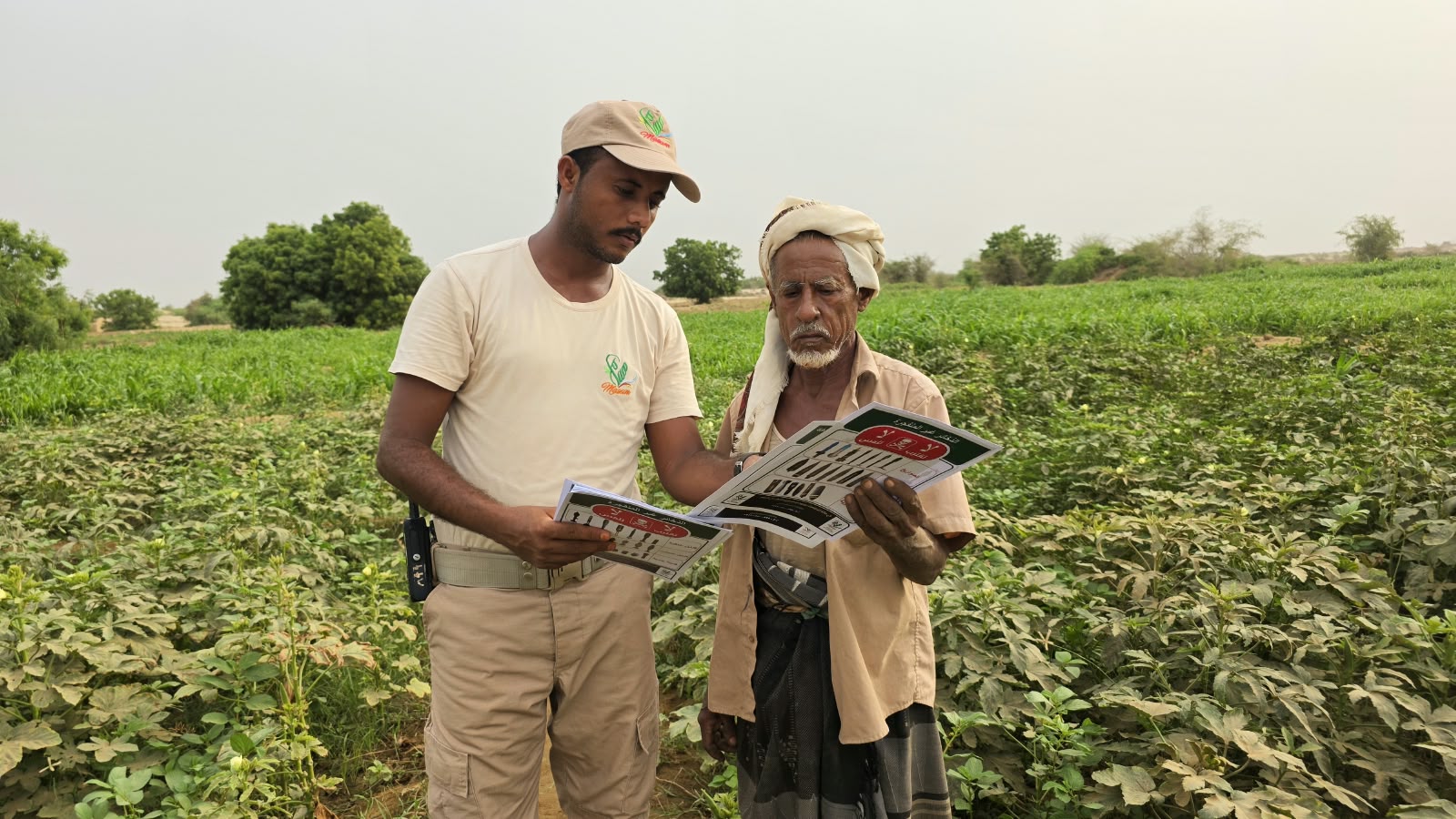
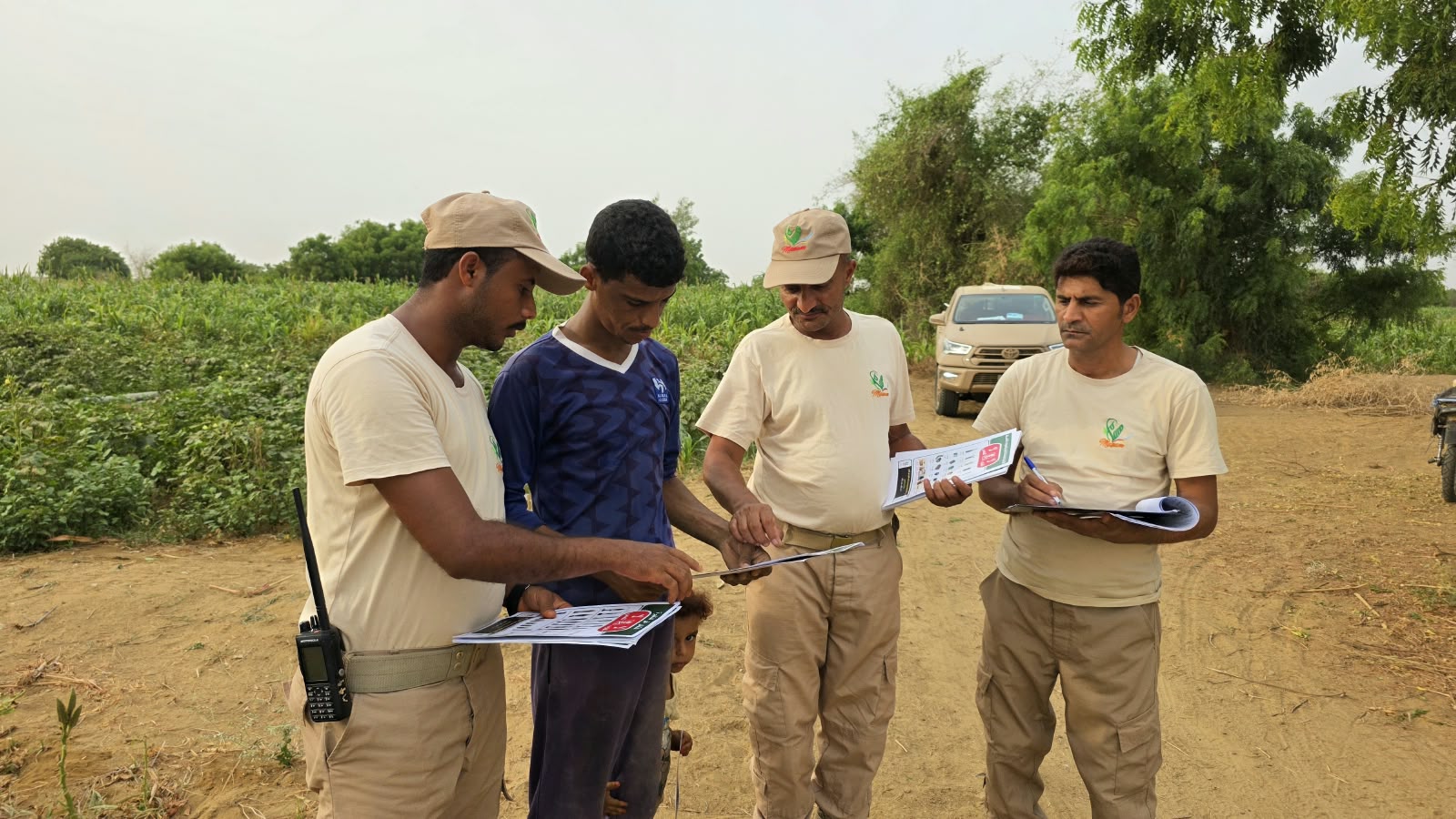
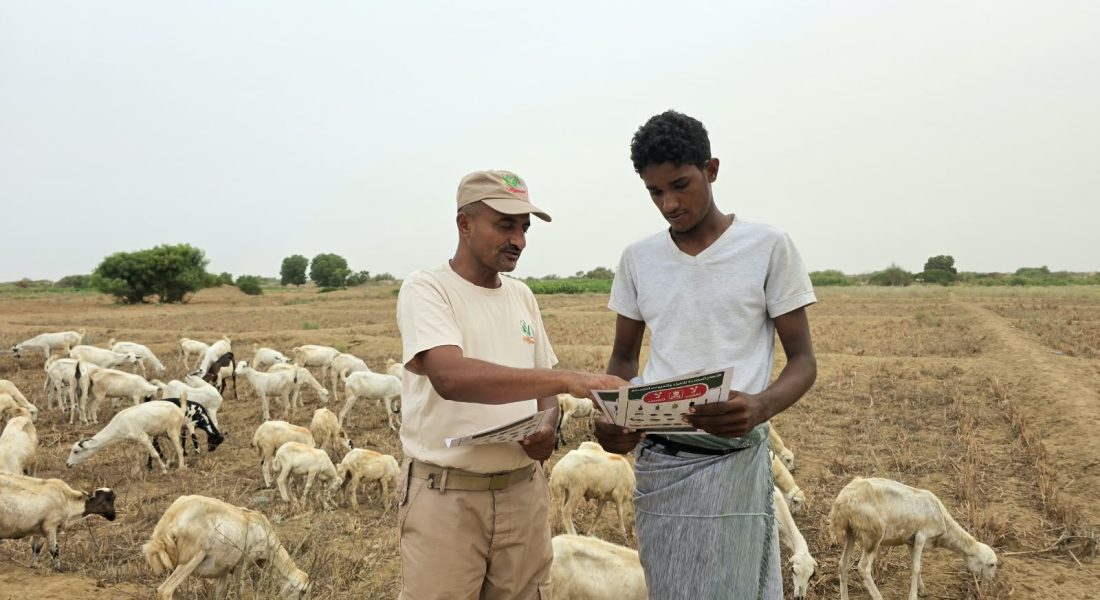
Project Masam’s Community Liaison and EORE team conducted a field campaign in Al-Ja’ada village, reaching farmers, herders, children and people travelling along the road west of the area. The campaign forms part of an ongoing programme targeting communities in areas heavily affected by landmines and other explosive hazards.
Engineer Mujahid Al-Sha’er, leader of the EORE team, told Project Masam’s media office that the campaign followed the discovery of minefields near populated areas and agricultural land in recent weeks, highlighting the need to intensify efforts to ensure civilians understand the risks posed by explosive contamination.
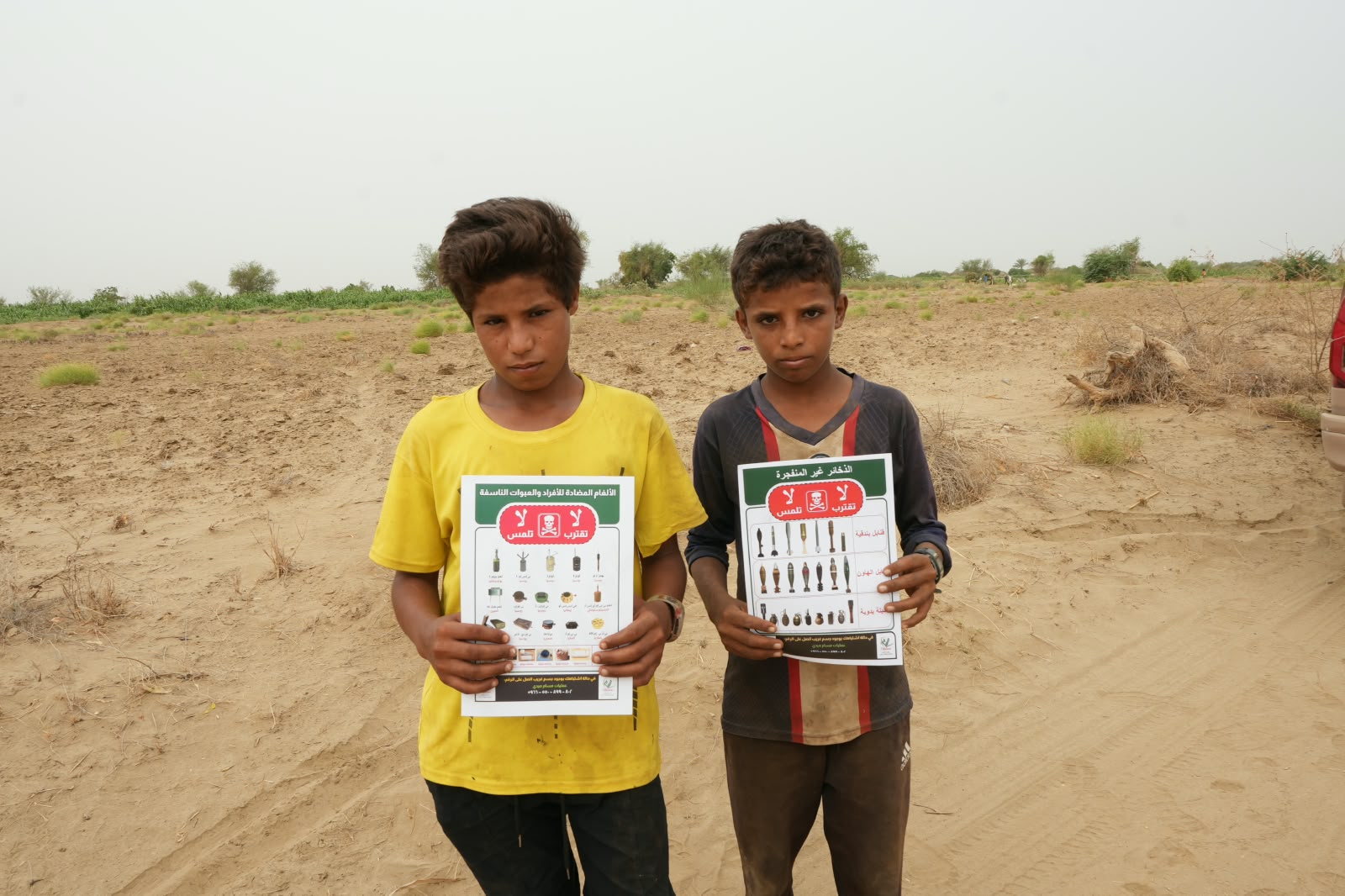
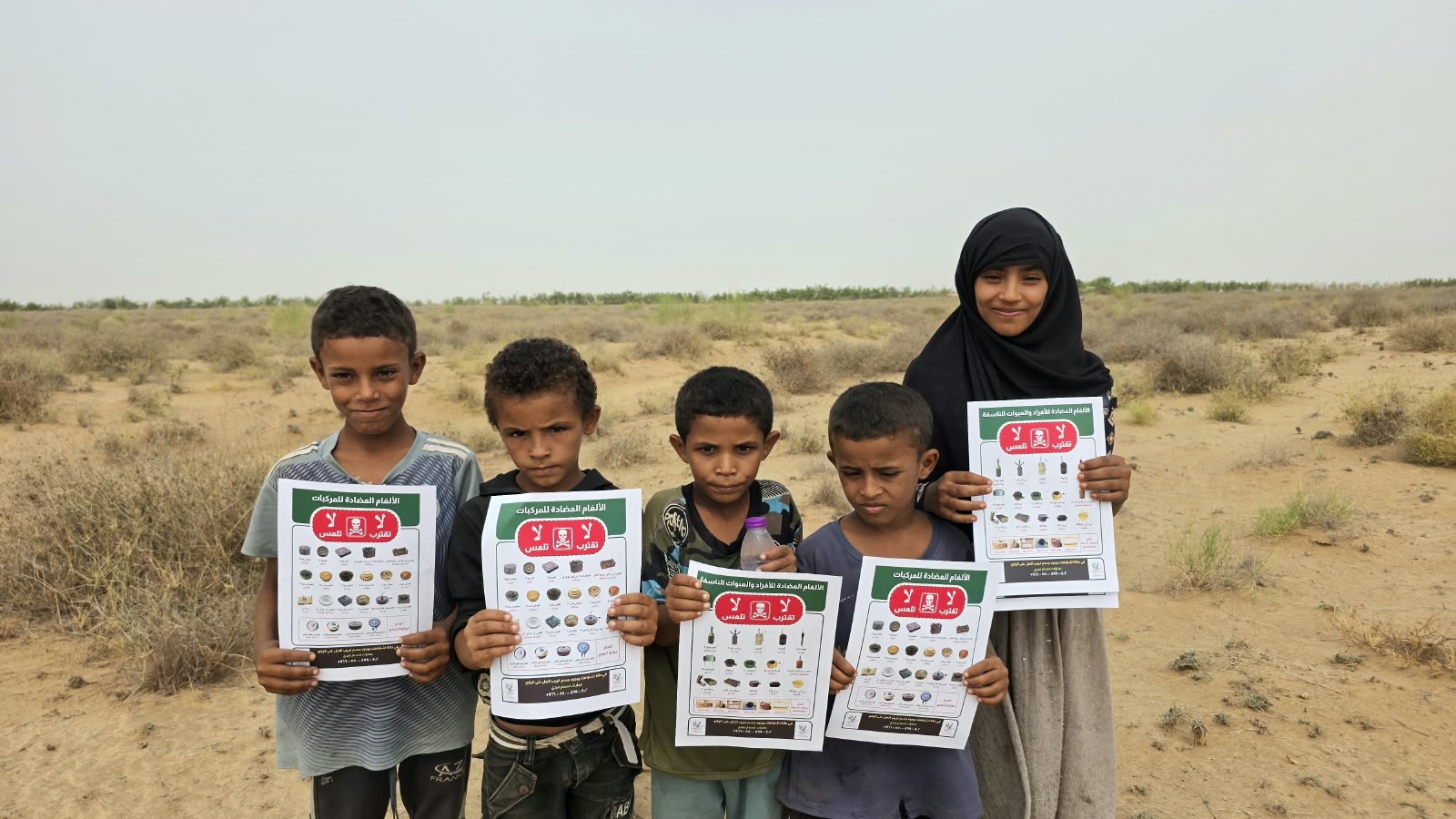
Al-Sha’er explained that residents were provided with information on different types of landmines, unexploded ordnance and improvised explosive devices, the dangers they pose, and how to respond safely when encountering a suspicious object.
Residents were also encouraged to report suspected explosive hazards promptly through Project Masam’s Operations Room in Midi, which operates around the clock, enabling the relevant teams to respond.
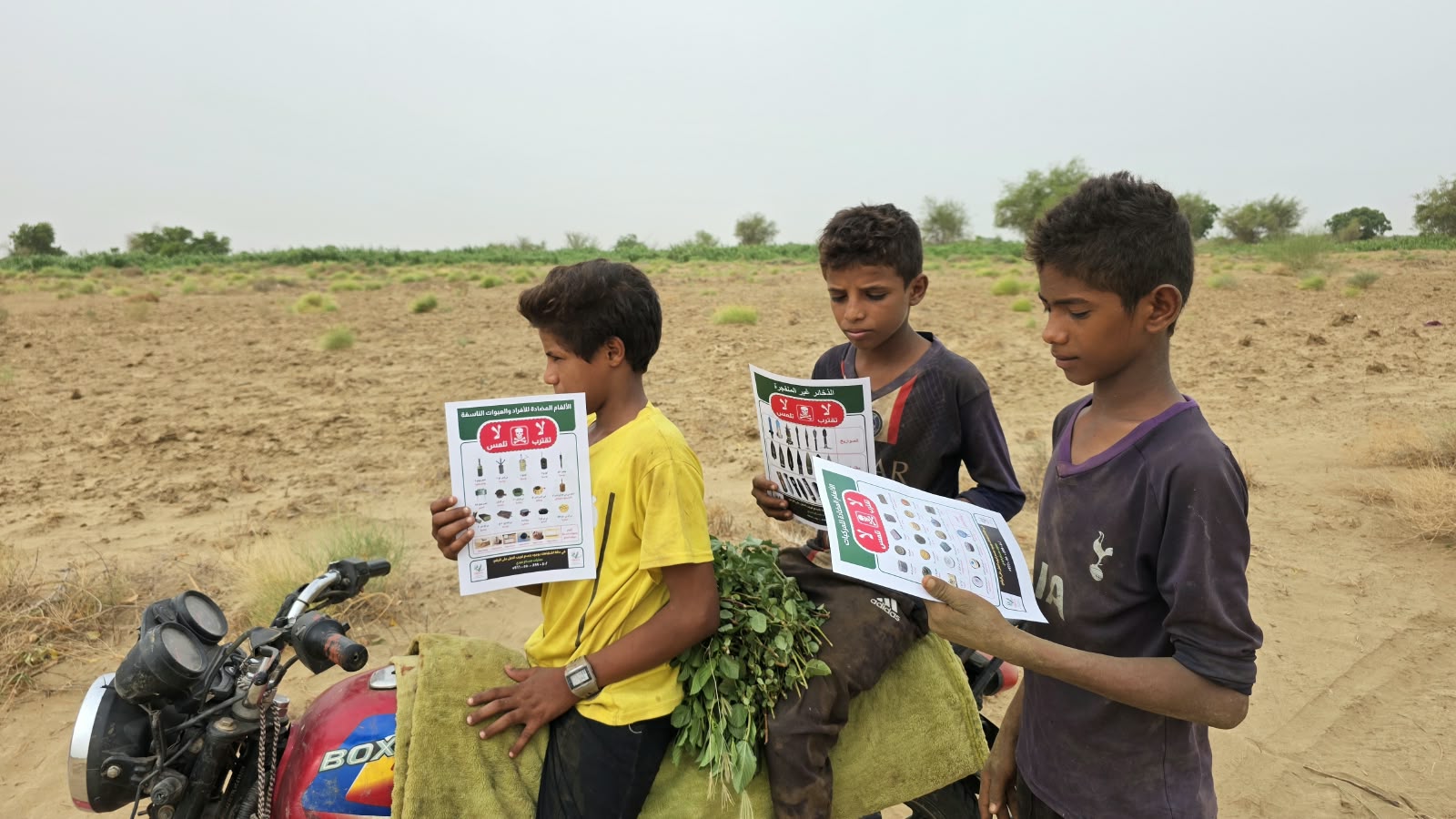
The EORE team used a range of methods during the campaign, including direct awareness sessions supported by visual materials and the distribution of informational leaflets. These activities are intended to reach as many residents as possible, particularly those living, working or travelling through areas affected by landmines and explosive remnants of war.
Residents expressed their appreciation for the team’s field activities and its visits to villages and agricultural areas to provide communities with information about explosive hazards. They also emphasised the importance of continuing EORE activities to help protect civilians and reduce the risks associated with explosive contamination.